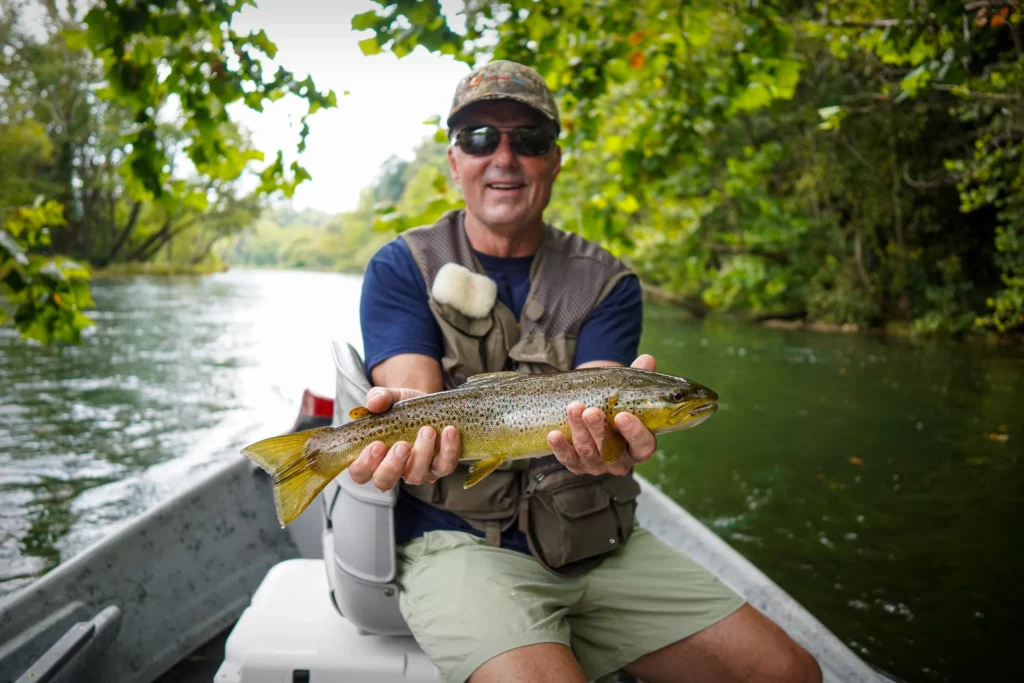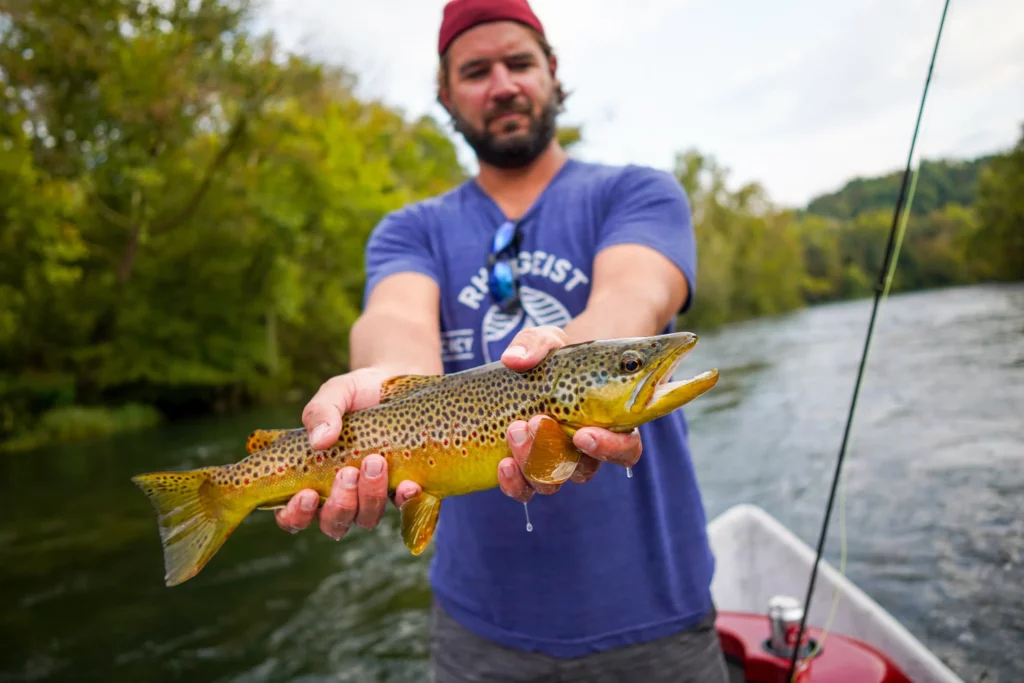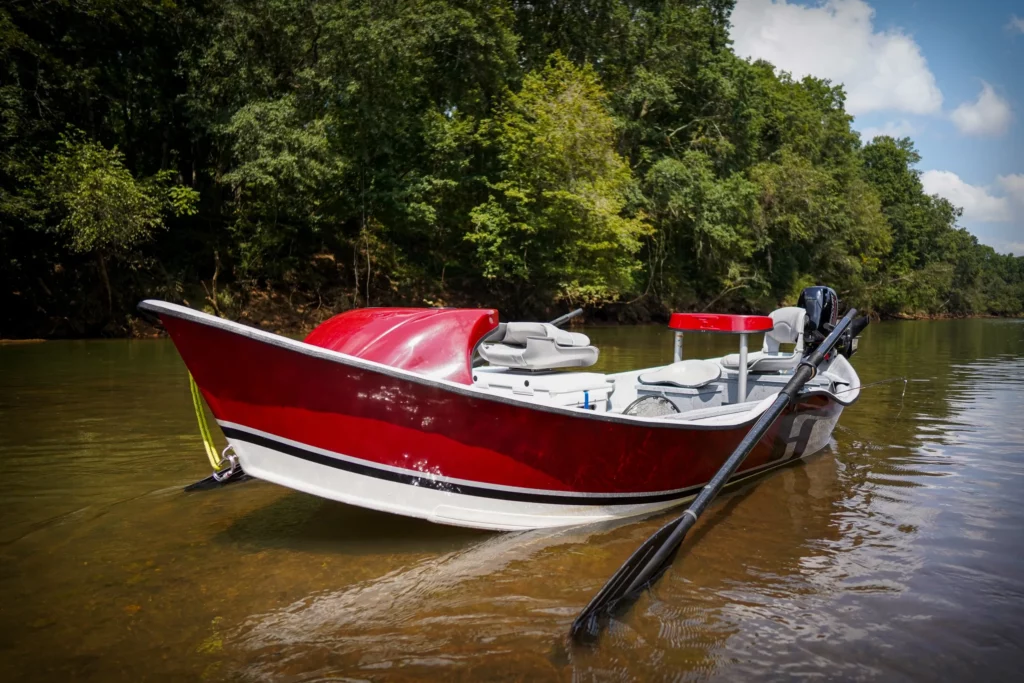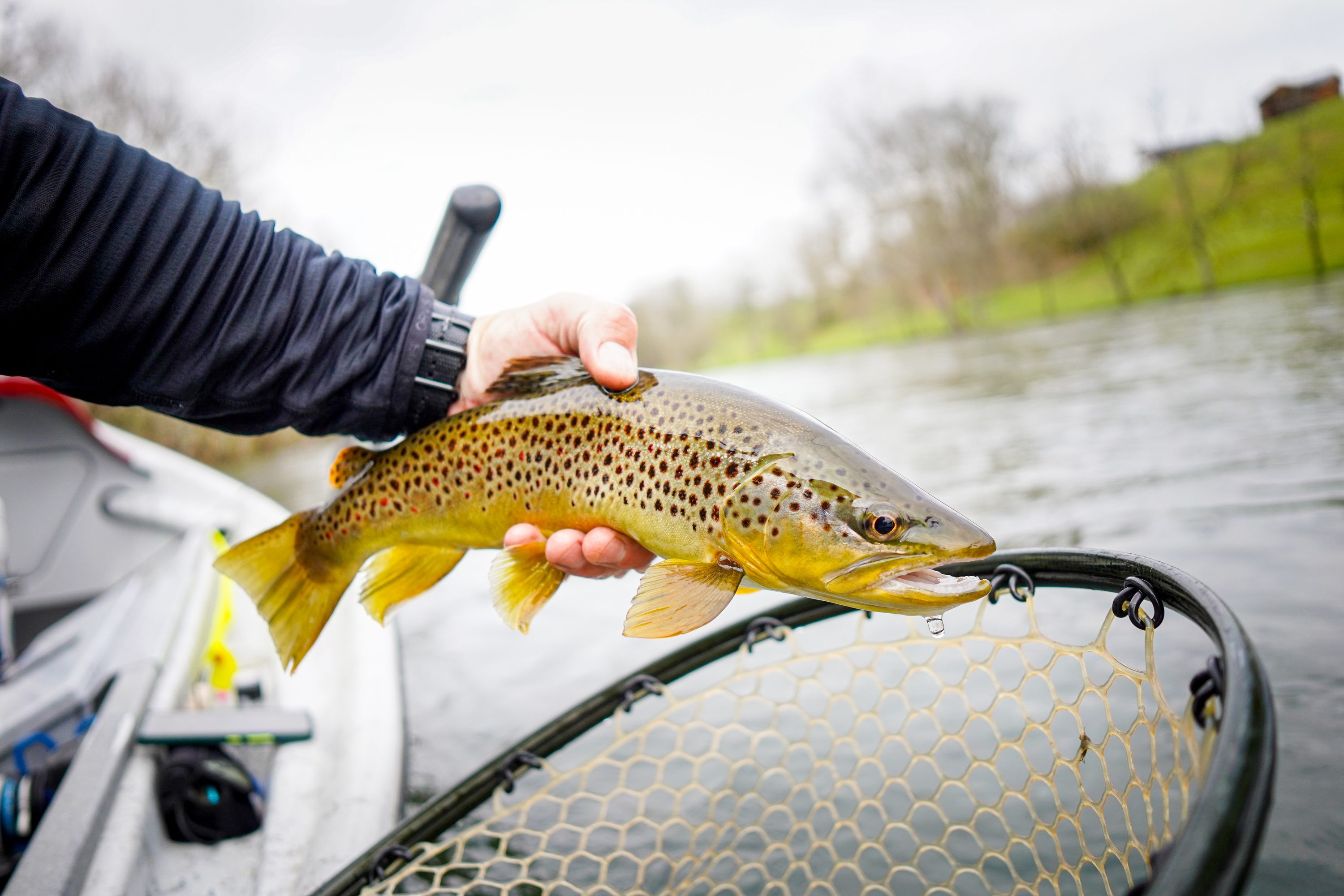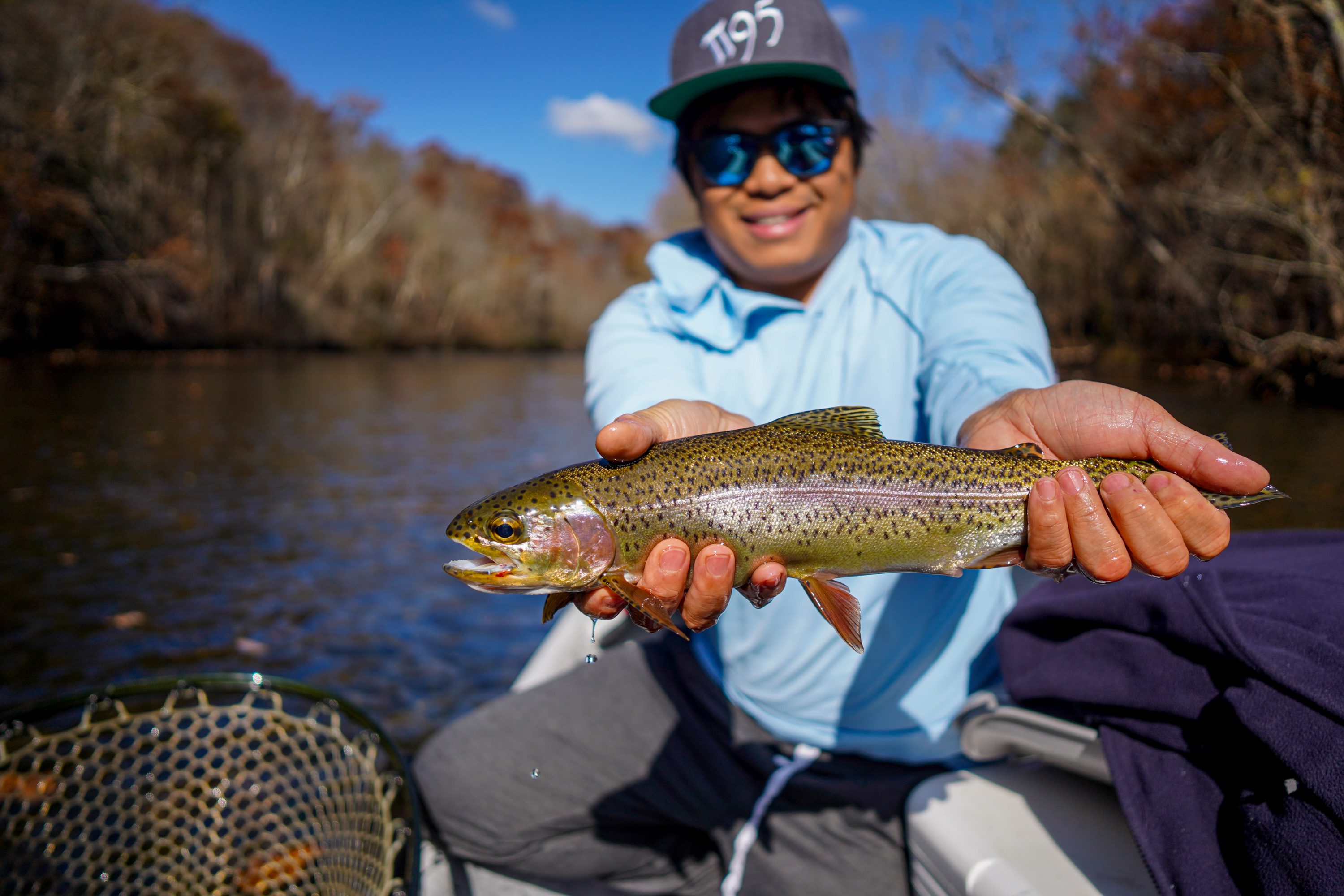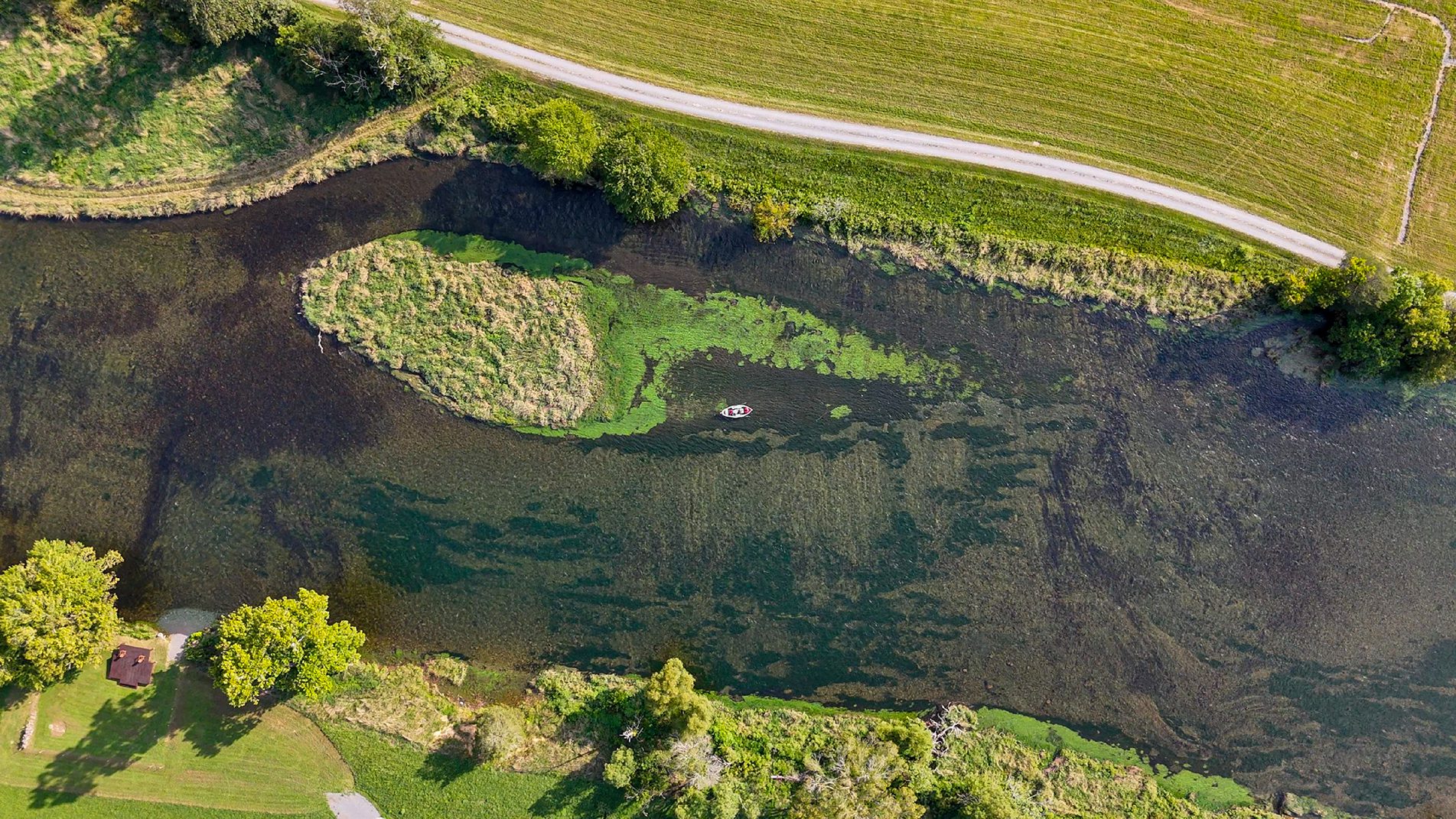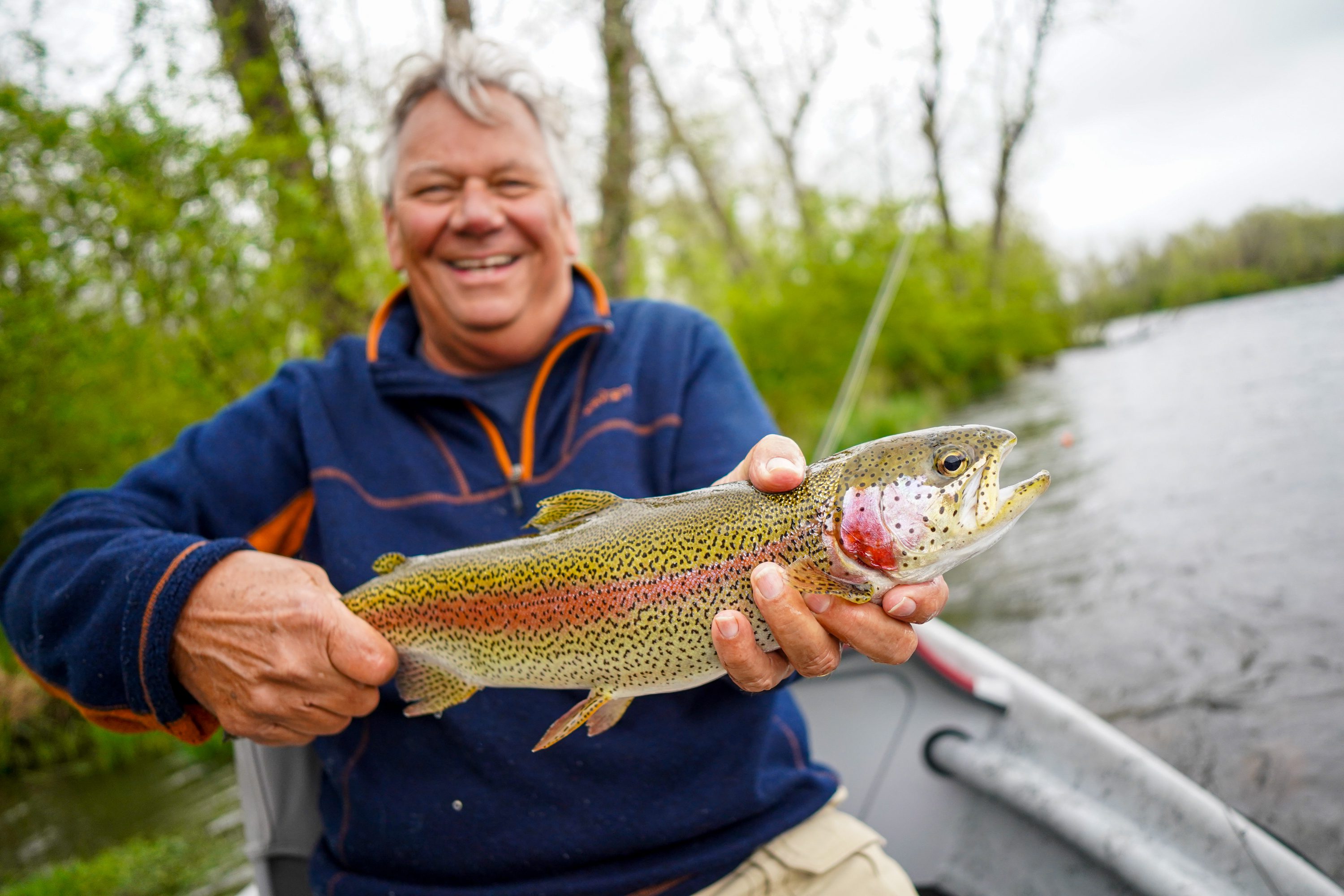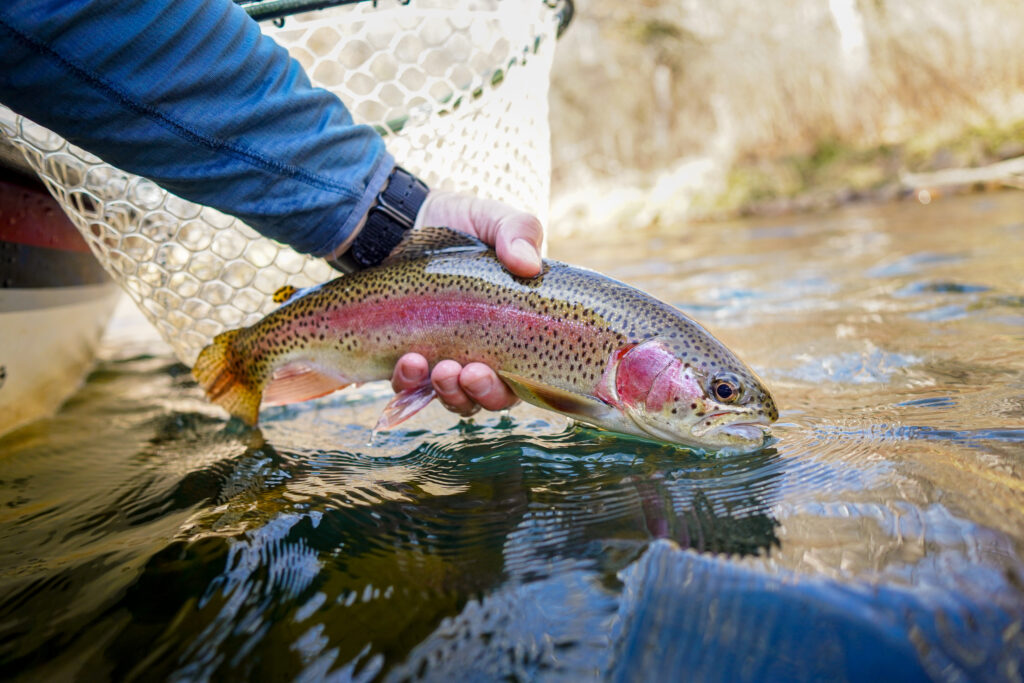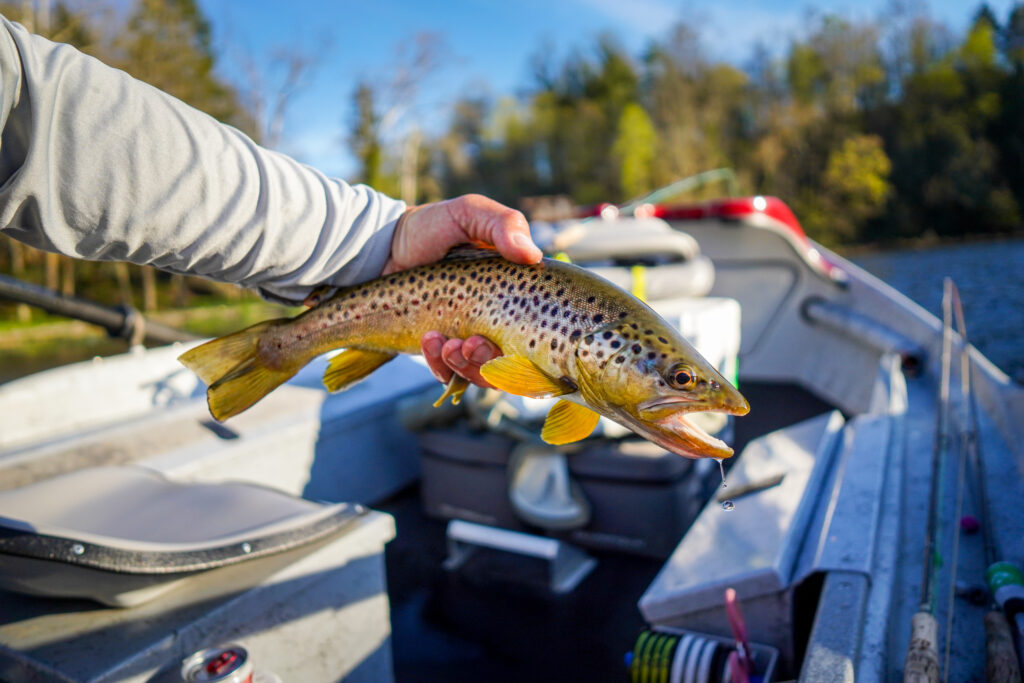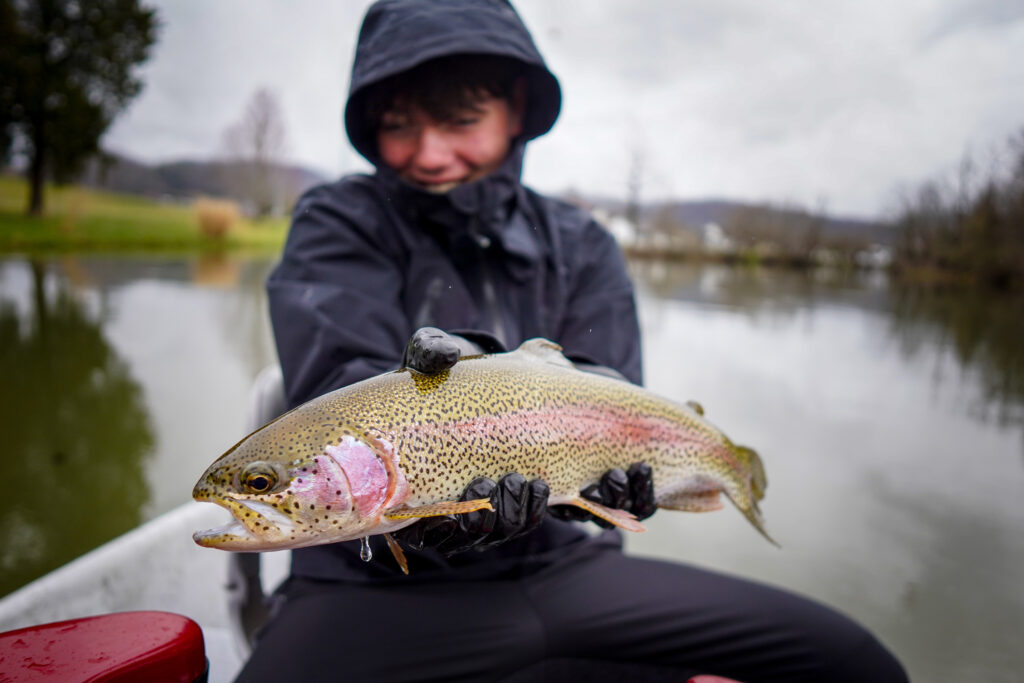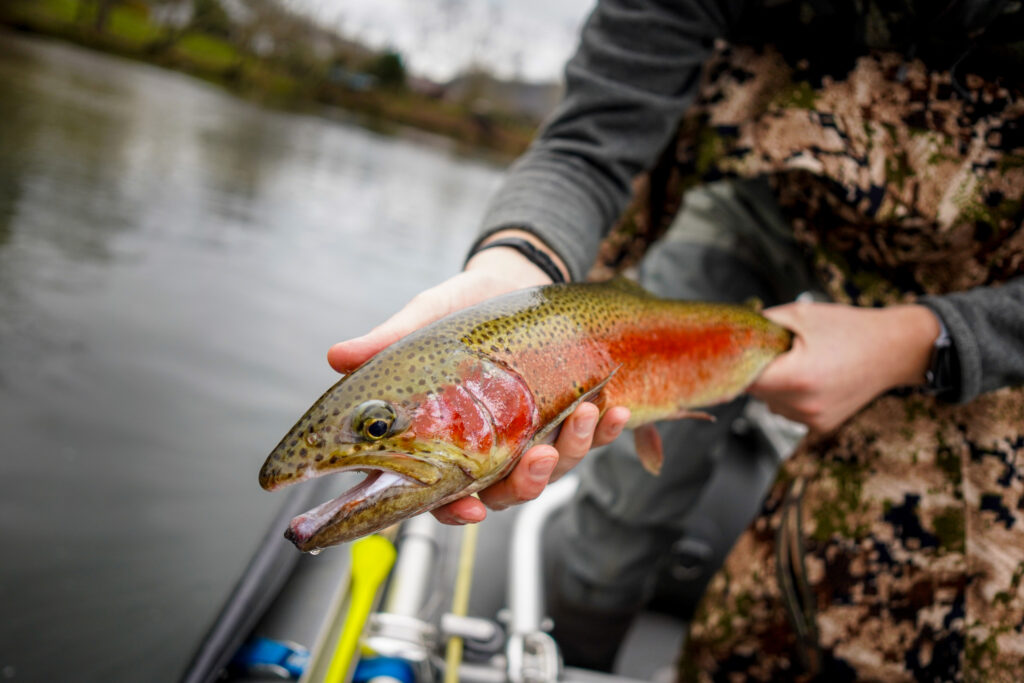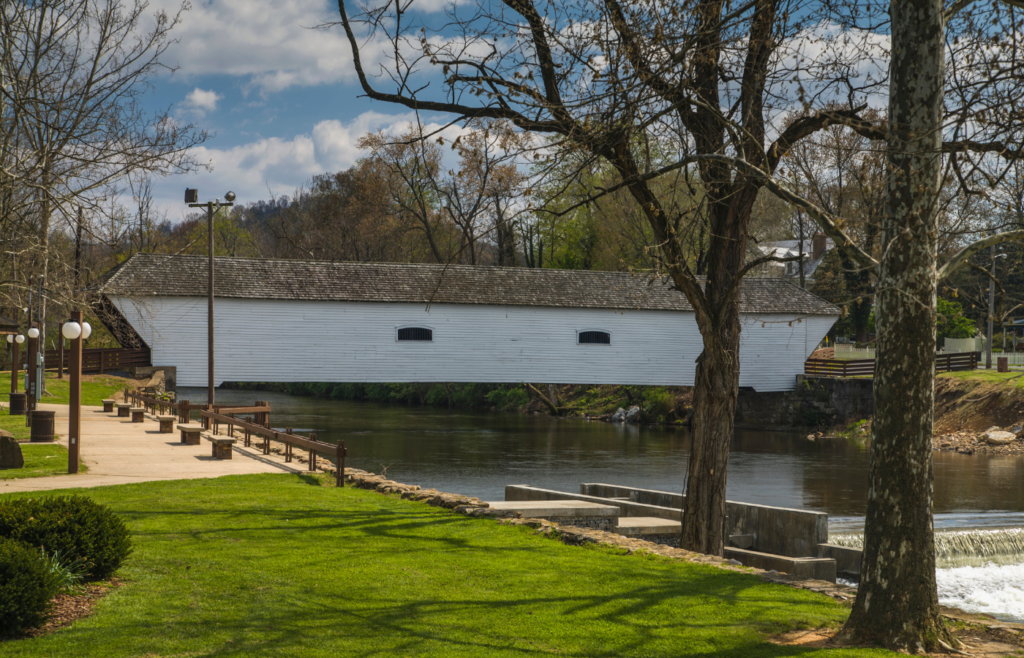
South Holston river trout fishing produced this trophy brown trout

South Holston River Trout Fishing | A Great Guide for Anglers

Welcome to the enchanting world of South Holston River trout fishing, a true paradise for anglers. Nestled in the scenic landscapes of Tennessee, this river has carved its reputation as one of the premier destinations for trout fishing in the United States. Renowned for its abundant and sizeable trout population, the South Holston offers an unparalleled fishing experience that attracts both novice and seasoned fly fishermen year-round.

The river’s unique charm lies not only in its bountiful trout but also in its diverse aquatic environments. From gentle, meandering flows to more challenging, rapid sections, South Holston River provides a variety of settings for different fishing techniques. The river is predominantly known for its healthy populations of brown and rainbow trout, offering anglers a chance to test their skills against different species.
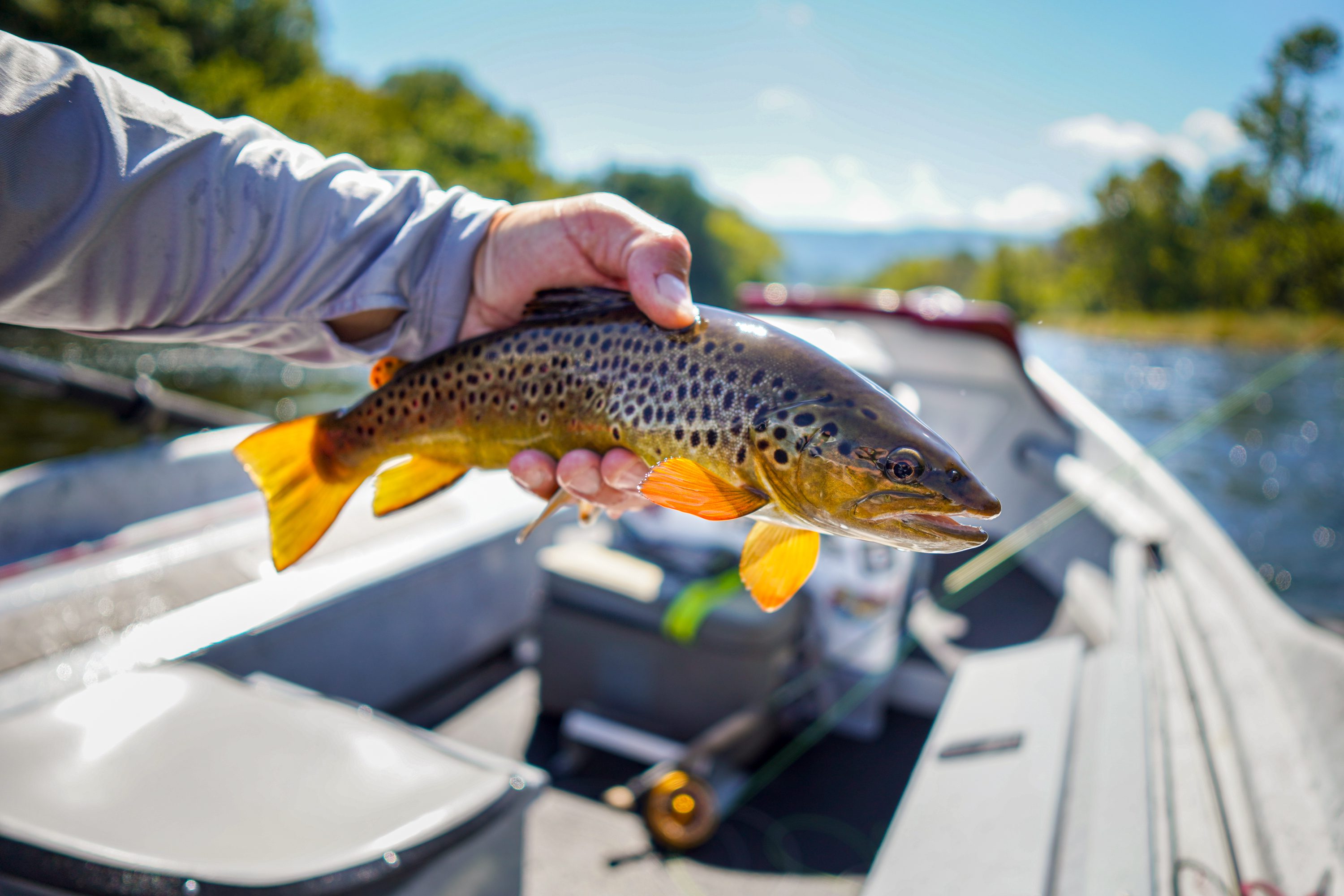
wild brown trout caught fly fishing the SOHO

What truly sets the South Holston apart is its consistent aquatic insect hatches, making it a haven for fly fishermen. The river boasts an impressive array of insects, including mayflies, caddisflies, and midges, providing a rich food source for the trout and making fly selection an exciting and crucial part of the fishing experience. The renowned Sulphur hatch, a spectacle in itself, draws anglers from far and wide, eager to witness and partake in this natural event.

Situated in a picturesque valley, the river’s surroundings add to the overall experience, with lush greenery and the serene backdrop of the Appalachian Mountains. Whether you’re a fly fishing enthusiast or simply someone who appreciates the beauty of nature, South Holston River promises an unforgettable adventure. Join us as we dive deeper into this angler’s paradise, exploring the best techniques, gear, and spots to make the most of your fishing journey on the South Holston River.

South Holston river trout fishing produced this large wild brown trout

Understanding the South Holston River

The South Holston River, flowing through the heart of Tennessee, presents a varied and enchanting landscape for anglers. Originating from the South Holston Dam, it winds through stunning scenery, offering a diverse range of fishing environments. The river features deep pools, swift runs, and gentler sections, each with its own unique fishing opportunities. Notable fishing spots include the Weir Dam, Osceola Island, and areas downstream of Emmett Bridge, each acclaimed for their rich trout populations and picturesque settings. Check out our South Holston River Map for more detailed places to fish. 


Geography and Water Conditions

The river’s water conditions are integral to its appeal. Benefitting from a bottom-release dam, the South Holston maintains a consistent temperature and clarity, creating ideal conditions for trout. The clear, cold waters demand skillful, subtle approaches, as the trout here can be particularly discerning.

Trout Species in South Holston River

The South Holston River is a haven for trout enthusiasts, boasting a rich variety of species. Dominant among these are the brown trout, known for their size and strength, with many exceeding 20 inches. Rainbow trout also thrive here, offering a vibrant and spirited fishing experience. Seasonal changes significantly influence trout behavior and distribution in the river. Spring and fall witness heightened activity with more aggressive feeding patterns, while summer and winter challenge anglers with more subdued trout activity, requiring refined strategies.

Each season on the South Holston River brings its distinct flavor and fishing challenges, making it a year-round destination for anglers. Whether engaging in dry fly fishing during the active spring or navigating the deeper waters with nymphs in the colder months, understanding these seasonal patterns is crucial for a fulfilling fishing experience.

Essential Gear for South Holston River Trout Fishing

Having the right gear for a day on the South Holston River is essential. Depending on the type of fishing you’re trying to do, will depend on the best gear for that situation. Afterall, dry fly fishing requires a vastly different rig than streamer fishing. Below you will find some of our recommendations. 

Fly Fishing Rods and Reels

When gearing up for a fruitful day on the South Holston River, choosing the right rod and reel setup is crucial. Given the river’s varied landscape, a versatile approach works best. A 9-foot rod for a 4 or 5-weight line is ideal for most situations you’ll encounter here. This setup offers enough length for effective casting in wider sections and sufficient backbone for handling the larger browns, while still being delicate enough for the lighter takes of rainbows.

For the reel, look for something with a smooth drag system to protect the lighter tippets often used in South Holston. A reel that balances well with your rod, ensuring comfort during long days on the water, will enhance your fishing experience.

Flies and Tackle

The South Holston River’s insect life is abundant, making fly selection both exciting and critical. A good starting point is to have a variety of nymphs, dry flies, and streamers. Nymphs like the Pheasant Tail or the Copper John in sizes 16 to 22 can be particularly effective. For dry flies, patterns such as the Blue Winged Olive or Sulphur Dun, depending on the season, are essential. Sizes 18 to 24 work well for these.

Streamers also have their place in your arsenal, especially when targeting larger brown trout. Patterns like Woolly Buggers or Zonkers in natural colors can be effective, especially in deeper pools or during higher water conditions.

Pay attention to the current hatches when selecting fly size and color. The South Holston is known for its Sulphur and Blue Winged Olive hatches, so matching these patterns can lead to a successful day. Observing the river’s insect activity and trout behavior upon arrival will guide your initial fly choice and throughout your fishing session. Remember, sometimes the subtlest variation in size or color can make all the difference between a good day and a great one on the South Holston.

Fly Fishing Techniques for South Holston River

Embarking on a fly fishing adventure in the South Holston River calls for a blend of skill, patience, and knowledge of key fishing techniques. This renowned river, with its diverse currents and rich aquatic life, presents both challenges and opportunities for the discerning angler. Whether you’re navigating its serene slow-moving sections or tackling the more dynamic riffles, mastering the art of fly fishing here is both rewarding and exhilarating. In this guide, we’ll delve into essential fly fishing techniques tailored for the South Holston River, covering casting methods, line management, and the critical skill of reading the water. These techniques are designed to enhance your experience and success rate, helping you to not only enjoy the beauty of the river but also to connect with its vibrant trout population.
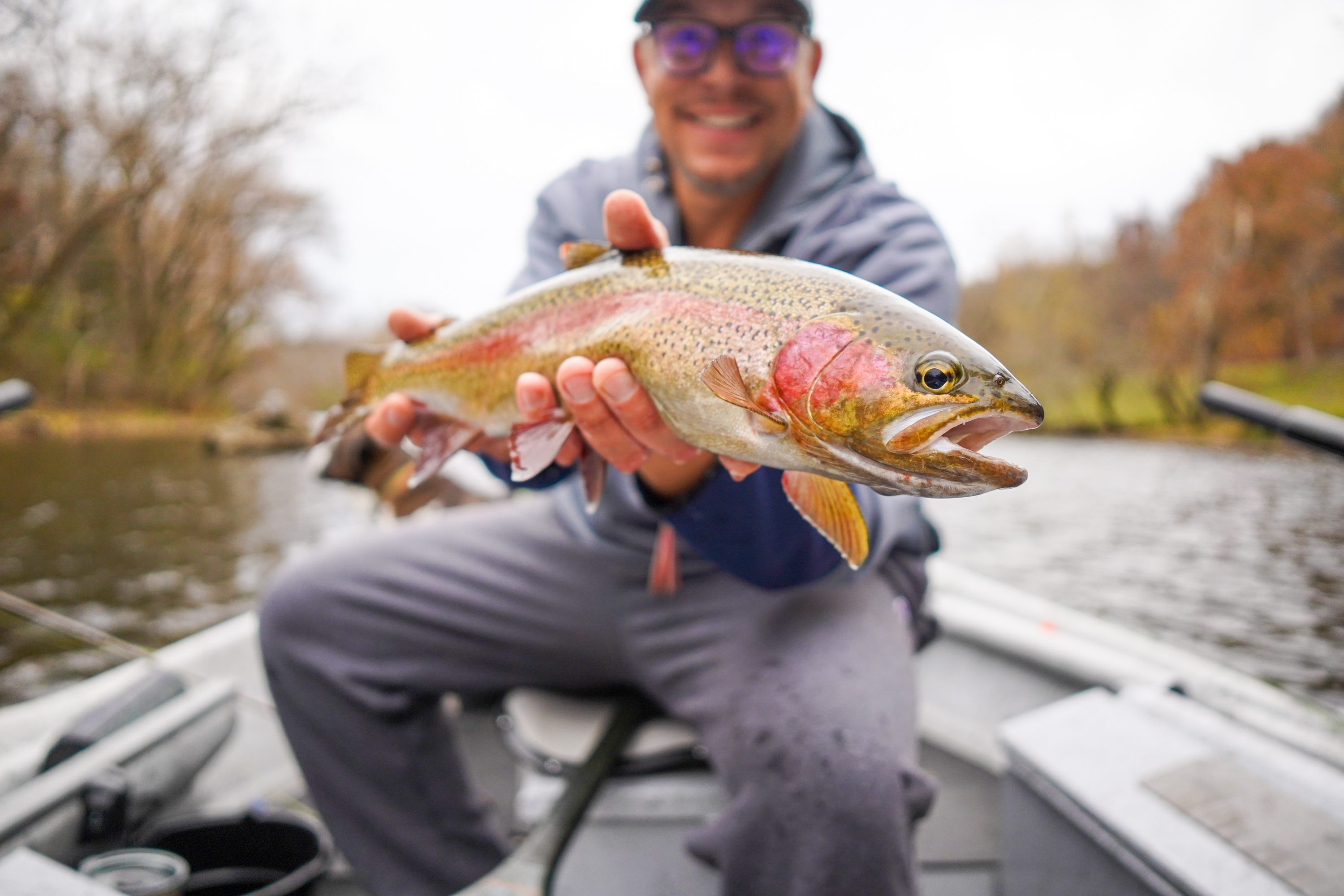
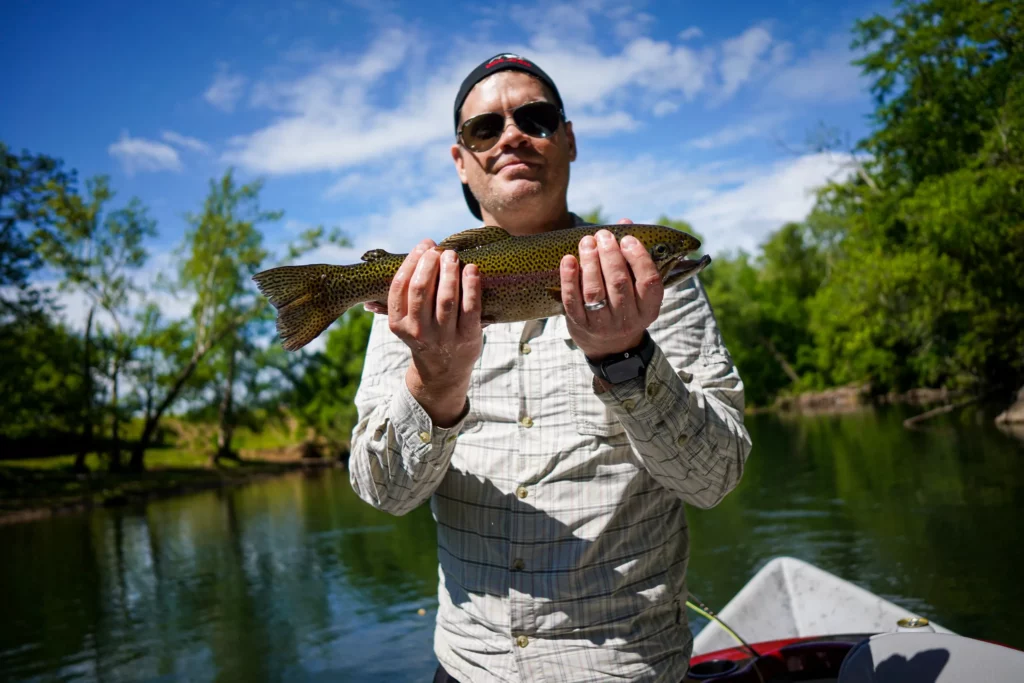
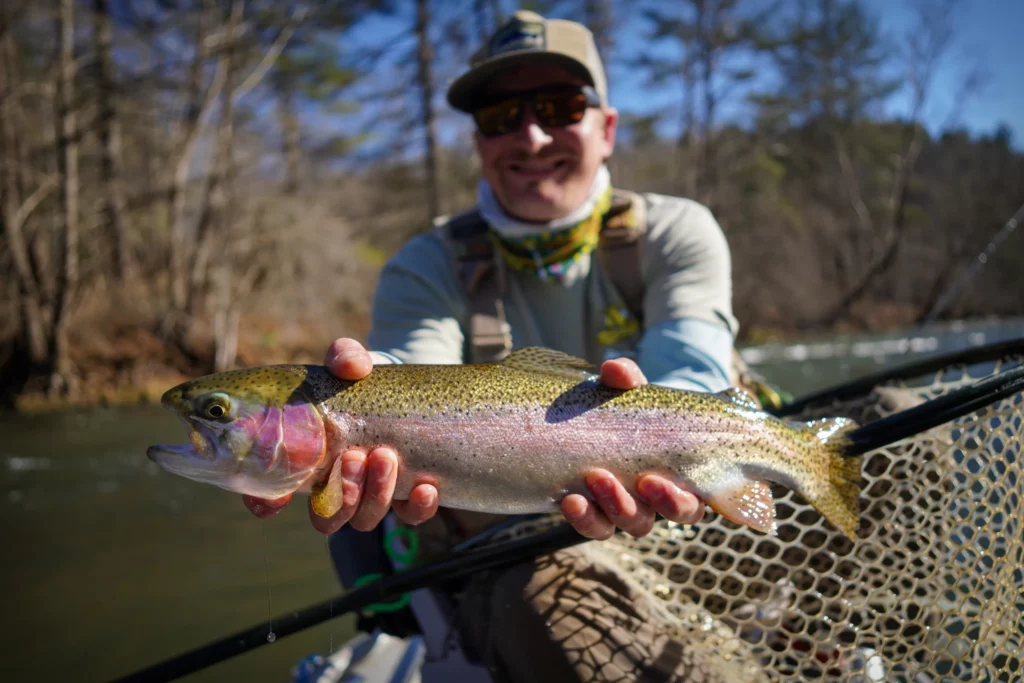
rainbow trout caught fly fishing

Casting Techniques

Mastering casting techniques is vital for success in the varied currents of the South Holston River. In slower, clear water, a delicate presentation is key, using a longer leader and a soft, accurate cast to avoid spooking the trout. Practice casting upstream and allowing your fly to drift naturally with the current, minimizing drag.

In faster, riffled sections, a more robust approach may be required. Here, shorter, more powerful casts ensure your fly reaches the desired depth quickly. Learning to adjust your casting technique based on the water you’re targeting is crucial. Also, be prepared to adjust the length and weight of your line to suit the conditions of the day.

Mending and Line Management

Effective mending and line management are critical for presenting your fly in a way that mimics natural insect movement. Proper mending, which involves lifting and moving the line after the cast, helps prevent unnatural drag on the fly. This skill is especially important in the South Holston River, where discerning trout are often put off by poorly presented flies.

Develop a habit of observing the current and anticipate how it will affect your line. Mend early and often, always striving for a drag-free drift. Remember, the goal is to make your fly the only thing the trout notices, not the line attached to it.

Reading the Water

Reading the water is an art that can significantly increase your chances of finding trout. Look for seams where fast and slow currents meet, as trout often feed in these areas. Pay attention to underwater structures like rocks and fallen trees, as these provide excellent hiding spots for trout. Eddies and pools are also key areas, especially after a hatch when trout might be actively feeding.

Observing insect activity on the water’s surface can give clues about where trout might be feeding. Additionally, learning to read the subtle signs of a feeding trout, such as the flash of a fin or a slight ripple on the water’s surface, can guide you to the most promising spots. With practice, reading the water becomes an instinctive part of your fly fishing experience on the South Holston River.

South Holston brown trout caught on a guided fly fishing trip

Ideal Fishing Seasons on South Holston River

The South Holston River, a tailwater river famed for its excellent water conditions, offers a unique year-round fishing opportunity. Unlike many other rivers that may have restricted fishing seasons due to various environmental factors, the South Holston maintains a consistent flow and temperature, thanks to the regulated releases from the South Holston Dam. This stability not only supports a rich and diverse trout population but also allows anglers to enjoy fly fishing across all seasons. Each season brings its own set of characteristics and challenges, making every visit to the river a new and exciting experience.

Seasonal Considerations

Spring is a time of renewal and vigorous trout activity. As the water warms, trout become more active, feeding on the increasing number of hatches. This season is often marked by prolific hatches of Blue Winged Olives and Sulphurs, making it a favorite among fly fishers.

Summer brings longer days and warmer waters, which can sometimes slow trout activity during midday. Early mornings and late evenings during this period can be particularly rewarding, especially when terrestrials and caddisflies are most active.

Fall is another prime time for fishing in the South Holston, as cooler temperatures revive trout activity. Browns and rainbows aggressively feed in preparation for winter, responding well to streamers and nymphs.

Winter, while quieter, can still provide a serene and productive fishing experience. Midges dominate the hatches during this season, and trout, although less active, can be caught with patience and the right tactics.

Hatch Calendar

January to February: Midges (sizes 20-26), Winter Stoneflies.

March to April: Blue Winged Olives (sizes 18-22), Caddis (sizes 14-16).

May to June: Sulphurs (sizes 16-18), Caddis.

July to August: Terrestrials (beetles, ants, sizes 14-18), Caddis, Tricos.

September to October: Blue Winged Olives, Caddis, Terrestrials.

November to December: Midges, Blue Winged Olives.

This calendar provides a general guideline, but local conditions and yearly variations can influence hatch timings. Being adaptable and prepared with a variety of flies to match these hatches is key to making the most of your time on the South Holston River.

Local Regulations and Conservation

Fishing the South Holston River is not only a pursuit of recreation but also a responsibility towards conservation. Understanding and adhering to local regulations is essential for maintaining the river’s health and ensuring sustainable fishing for future generations. Additionally, being aware of and participating in conservation efforts plays a crucial role in preserving this natural treasure.

Fishing Regulations

The South Holston River, managed for trophy trout fishing, has specific regulations to protect its fish population. Anglers are required to follow catch-and-release practices in certain designated sections of the river, particularly around the dam and designated trophy sections. In other areas, there are limits on the number of fish that can be kept, typically with a minimum size requirement to ensure young, growing trout are released. Additionally, the use of only artificial flies or lures is mandated in some stretches, prohibiting the use of baitfish or scented artificial baits. It’s crucial for anglers to stay updated with these regulations as they can vary annually or seasonally.

Conservation Efforts

Conservation practices in the South Holston River area include habitat restoration, pollution control, and educational outreach programs. Local fly fishing clubs and environmental groups often conduct river clean-ups and habitat improvement projects. Anglers can contribute by practicing ethical fishing, participating in local conservation events, and spreading awareness about the importance of preserving the river’s ecosystem. By respecting the river and its inhabitants, anglers can play a pivotal role in maintaining the South Holston as a premier fly fishing destination.

Additional Tips for a Successful Trip

Safety and Etiquette

Safety and etiquette are paramount for a fulfilling and responsible fly fishing experience on the South Holston River. Always be sure to check the local generation schedule before heading out for a day of wading. When wading in deeper sections or during higher water levels, pay attention to the currents, as currents can be unpredictable. Equipping yourself with a wading staff can also provide extra stability. Be mindful of the weather conditions; sudden changes can impact river levels and currents.

South Holston brown trout

Respecting other anglers is crucial. Maintain a courteous distance, avoid crowding a spot where another angler is already fishing, and if you need to pass by, do so quietly and with minimal water disturbance. Practicing catch-and-release with care and respect for the fish is not just ethical but essential for conservation. Handle fish gently and keep them in water as much as possible.

Local Amenities

The area surrounding South Holston River boasts a range of amenities to enhance your fishing trip. There are numerous lodging options, from cozy cabins to more luxurious accommodations, catering to all preferences and budgets. For a more well-rounded experience, our guides are invaluable. They offer not just expertise and knowledge of the river’s hotspots but also insights into current conditions and hatches. Fly shops in the vicinity are well-stocked with gear and local fly patterns and are a great resource for up-to-date information on river conditions and fishing reports.

That’s A Wrap

The South Holston River offers a rich and diverse fly fishing experience, suitable for anglers of all skill levels. Its varied geography, consistent water conditions, and abundant trout population make it a standout destination. Whether you’re casting dry flies during a Sulphur hatch in spring or navigating nymphs in the deeper runs during winter, the river presents challenges and rewards in every season.

Remember, the key to a successful trip lies in preparation and respect – respect for the regulations, other anglers, and the environment. With the right approach and mindset, the South Holston River is not just a fishing location but a journey into the heart of fly fishing. We encourage you to immerse yourself in this unique experience, where each cast brings a new opportunity and each visit leaves lasting memories. Whether you’re a seasoned fly fisherman or just starting out, the South Holston River awaits, ready to offer its bountiful and beautiful trout fishing experiences.
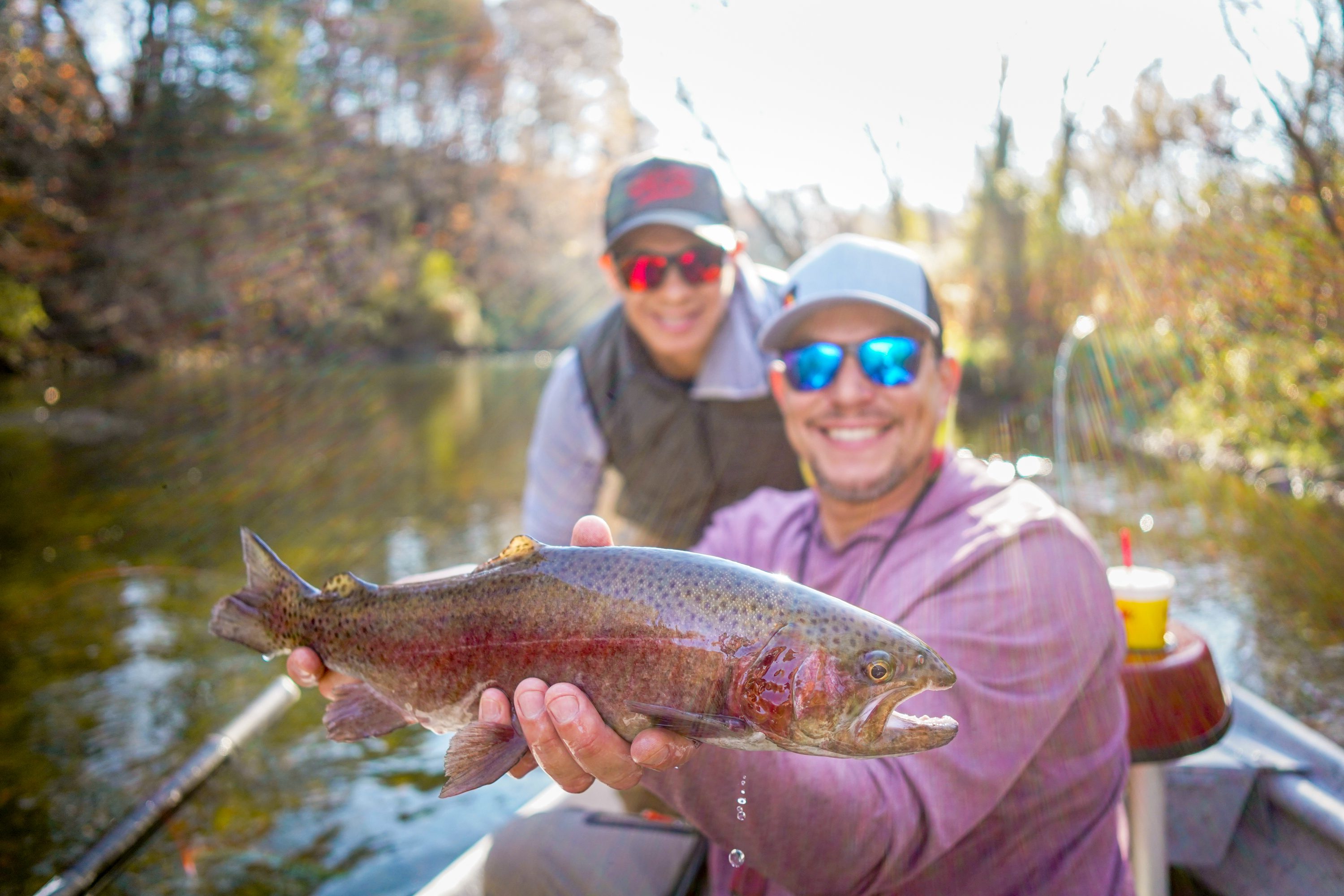
High Flying Flies is excited to be your South Holston River fishing guide! Click HERE to learn more about our SOHO fly fishing trips.

Guest and I with a big stud rainbow trout caught on the Watauga River

Watauga River Trout Fishing | A 2024 Anglers Guide


Welcome to the captivating tailwater section of the Watauga River, a premier destination for trout fishing in the Southeastern United States. Watauga River trout fishing is top notch. Flowing from the depths of  Watauga Lake in Elizabethton, Tennessee, this tailwater stretch is renowned for its consistent water temperature and flow, creating an ideal environment for a thriving trout population. Here, the river unveils a world where Rainbow and Brown trout flourish, attracting anglers from all corners who seek the thrill of fly fishing in these prolific waters. Paired with the South Holston River, this makes for an excellent weekend of fly fishing. 

This tailwater section, with its controlled releases from the Wilbur Dam, offers a year-round fishing haven, unlike typical freestone rivers that can be heavily affected by weather and seasonal changes. The stable conditions not only support a rich aquatic ecosystem but also allow for a more predictable and rewarding fishing experience. It’s in these waters where both the novice and the seasoned fly fisher can find their rhythm, casting amidst the backdrop of the stunning Appalachian scenery.

watauga river trout fishing

The Watauga River tailwater’s reputation as a top trout fishing spot is well-earned. It’s a place where the challenges of fly fishing meet the beauty of nature, creating a symphony of experiences that resonate deeply with those who wade its currents. The river’s clear, cool waters, teeming with trout, promise not just a day of fishing, but an immersive journey into the heart of what makes Watauga River fly fishing in the Appalachian region truly exceptional.

watauga river trout fishing

Understanding the Watauga River Ecosystem

Delving into the Watauga River ecosystem reveals a vibrant and complex environment, intricately woven to support a thriving trout population. This tailwater, fed by the deep, cool releases from Wilbur Dam, maintains a consistent flow and temperature, crucial for sustaining diverse aquatic habitats. The riverbed, with its mixture of gravel, rock, and sand, coupled with abundant aquatic vegetation, provides ideal spawning and feeding grounds for trout. These conditions foster a rich food web, teeming with mayflies, caddisflies, and other invertebrates, essential for trout nourishment.

In the Watauga River, anglers find a trove of trout species, each adding to the river’s allure. The Rainbow Trout, with their iridescent hues, are a common sight, often found in the faster, oxygen-rich sections of the river. Brown Trout, elusive and cunning, prefer deeper pools and undercut banks, presenting a rewarding challenge for anglers. 

This diverse trout ecosystem is a testament to the Watauga River’s health and resilience. Each species, adapting to the river’s dynamic environment, contributes to the rich fishing tapestry that the Watauga offers. Here, in the heart of Tennessee’s mountains, the river not only sustains an array of trout species but also captivates the hearts of those who seek the thrill of trout fishing in a pristine natural setting.

Best Times for Trout Fishing in the Watauga River

In the world of trout fishing, timing is everything, and the Watauga River is no exception. The river’s unique tailwater ecosystem offers year-round fishing opportunities, but understanding the seasonal variations in trout behavior is key to a successful catch.

Spring heralds some of the best fishing conditions on the Watauga. As the water warms, trout become more active, feeding aggressively in preparation for spawning. This is the time for dry flies and nymphs, with late afternoons being particularly fruitful as insects hatch in abundance.

Summer brings warmer temperatures and lower water levels, yet the consistent cool releases from the Wilbur Dam keep the trout active. Early mornings and late evenings are the prime times to avoid the heat and enjoy the vibrant activity of trout feeding on the surface.

Fall sees another peak in trout activity as they feed heavily in anticipation of the coming winter. Streamers and nymphs are highly effective during this period, especially during the midday when the water temperatures are ideal.

Winter challenges anglers with colder temperatures and slower fish metabolism, yet the river remains a viable fishing destination. Midday, when the water is warmest, is the optimal time to target the deep pools where trout congregate.

In reality, while the Watauga River offers year-round trout fishing, each season demands a different approach, with shifts in time of day and fishing techniques being crucial for a successful outing.

Fishing Techniques and Strategies

Fishing the Watauga River requires a blend of skill, knowledge, and the right equipment to effectively target its diverse trout population. Three predominant techniques stand out: nymphing, dry fly fishing, and streamer fishing, each requiring specific strategies and gear.

Nymphing

Nymphing is highly effective on the Watauga, particularly because trout in this river feed predominantly below the surface. Anglers should focus on imitating the natural nymphs found in the river, such as mayflies and caddisflies. A key strategy is to use a strike indicator for detecting subtle bites and adjusting the depth of your nymph to match where the trout are feeding. A medium-action fly rod, coupled with a weight-forward floating line, makes for an ideal setup, providing the sensitivity and control needed for nymphing.

watauga river trout fishing
 

Dry Fly Fishing

Dry fly fishing, with its allure and challenge, is equally rewarding on the Watauga. Dry fly fishing is particularly exciting during hatch periods when trout actively feed on the surface. For this technique, a lighter rod, such as a 4 or 5 weight, offers the delicacy needed for presenting dry flies effectively. It’s essential to match the hatch in terms of fly selection, closely mimicking the size, shape, and color of the insects trout are feeding on.

In terms of equipment, the choice of rod, reel, line, and flies depends on the targeted trout species. When targeting larger Brown and Rainbow trout, a sturdier rod and reel with a heavier weight line are advisable. Always ensure your gear is well-matched to the fishing technique and trout species for an optimal fishing experience on the Watauga River.

Streamer Fishing

In addition to nymph and dry fly fishing, streamer fishing is another effective technique on the Watauga River, particularly for targeting larger, more aggressive trout like Browns. Streamers mimic baitfish, leeches, or other larger prey, appealing to the predatory instincts of trout.

When streamer fishing, the key is to replicate the movement of prey in the water. This often involves casting across the current and retrieving the streamer in a manner that makes it swim or dart through the water, provoking a strike from predatory fish. Techniques such as the ‘strip retrieve’ or ‘swing technique’ are commonly used, depending on the water conditions and fish behavior.

For streamer fishing, a slightly heavier setup is advisable. A 6 to 7 weight rod provides the necessary power for casting larger streamers and handling bigger fish. A sinking or sink-tip line can be beneficial, especially when fishing deeper pools or faster currents where big trout often lie.

Streamer fishing can be particularly productive in the Watauga during early morning or late evening, or when the river is slightly discolored after rainfall, as trout tend to be more aggressive and less wary under these conditions. Varying your retrieve speed and pattern until you find what triggers strikes is a crucial aspect of successful streamer fishing on this dynamic river.

watauga river trout fishing

Fly Selection for Watauga River Trout Fishing

Selecting the right flies is a critical aspect of successful trout fishing on the Watauga River. This river, with its diverse habitats and conditions, demands a versatile fly box. Key patterns include nymphs, dry flies, and streamers, each serving a unique purpose depending on the river’s conditions and trout behavior.

Nymphs are a staple for the Watauga, with patterns like the Pheasant Tail, Hare’s Ear, and Copper John being particularly effective. These imitate the immature stages of aquatic insects, a primary food source for trout. During hatches, matching the specific species and size of the emerging insects with your nymphs can significantly increase your success.

Dry flies come into their own during hatch periods, typically in the warmer months. Classic patterns like the Adams, Elk Hair Caddis, and Blue-Winged Olives are excellent. Observing the types of insects trout are feeding on and choosing a similar pattern is key.

Streamers are ideal for targeting larger trout, especially Browns. Patterns like the Woolly Bugger or Sculpin imitations can be very effective, especially in deeper pools or during overcast conditions when trout are more likely to be active.

Adapting your fly selection based on weather and water conditions is crucial. Smaller, more natural patterns are effective on sunny days with clear water. In contrast, during overcast or murky conditions, larger flies and those with more flash or contrast can be more productive. The Watauga River’s dynamic ecosystem calls for a fly box as diverse as its trout population, ready to adapt to its ever-changing moods.

Local Regulations and Conservation Practices

Navigating the local regulations and embracing conservation practices are fundamental for maintaining the health and sustainability of the Watauga River’s trout population. Anglers should be well-informed about the specific rules that govern fishing in this area to ensure both a legal and environmentally responsible experience.

The Watauga River has designated sections with varied regulations. These may include restrictions on bait use, the type of hooks allowed (such as barbless hooks), and specific catch-and-release areas. It’s essential to check the current Tennessee Wildlife Resources Agency regulations for the latest rules, including any changes in size and bag limits, which can vary seasonally and by river section.

watauga river trout fishing

Practicing catch and release is a vital conservation effort on the Watauga River. This method allows for the enjoyment of fishing while minimizing harm to the trout, ensuring their populations remain robust for future generations of anglers. Proper catch-and-release techniques involve using barbless hooks for easier removal, handling the fish as little as possible, and keeping the trout in water to reduce stress and maintain their health.

In addition to catch and release, anglers are encouraged to engage in other conservation practices. This includes avoiding fishing during spawning periods, respecting wildlife and other anglers, and leaving no trace by removing all litter and fishing line debris. These practices help preserve the Watauga River’s pristine condition, making it a sustainable and thriving environment for trout fishing.

Guided Fishing Experiences on the Watauga River

Opting for a guided fishing experience with High Flying Flies Guide Service on the Watauga River can significantly enhance your fishing adventure. Led by experienced guide and owner Jason Bromwell, this service offers a deep understanding of the river’s ecosystem and trout behavior, ensuring a fulfilling and successful outing. 

High Flying Flies specializes in tailoring their guided trips to the individual needs and skill levels of their clients. Whether you’re a novice angler eager to learn the basics or an experienced fisherman looking to refine your techniques, their expert guides provide personalized instruction and insights. From teaching effective casting methods to selecting the perfect fly based on current conditions, their guidance is invaluable.

What sets High Flying Flies apart is their intimate knowledge of the Watauga River’s best fishing spots and conditions. This local expertise allows anglers to maximize their time when on a Watauga or South Holston River trout fishing trip, increasing the likelihood of a memorable catch. Furthermore, their commitment to conservation and sustainable fishing practices ensures not only a great fishing experience but also the preservation of the Watauga River’s trout population for future generations.

By choosing High Flying Flies, anglers are assured of a comprehensive, educational, and enjoyable fishing experience, all while being immersed in the stunning natural beauty of the Watauga River. 

Perfecting the Final Details

In conclusion, the Watauga River stands as a beacon for trout fishing enthusiasts, offering a blend of scenic beauty and abundant fishing opportunities. Its reputation as a trout haven is well-earned, with the river’s clear, cool waters and diverse habitats creating an ideal environment for various trout species. From the vibrant Rainbow to the elusive Brown, the Watauga River caters to anglers of all interests and skill levels.

The river’s year-round accessibility, enhanced by the consistent conditions of its tailwater section, means every season brings its unique charm and challenges. Whether it’s the exhilarating hatches of spring, the serene summer evenings, the bountiful autumn, or the quiet beauty of winter, the Watauga River offers a distinctive fishing experience all year round.

For those looking to maximize their experience, High Flying Flies Guide Service, under the expert guidance of Jason Bromwell, provides an unmatched opportunity to explore the river’s riches. Their knowledge and commitment to conservation ensure not only a successful fishing trip but also an experience that respects and preserves this magnificent resource.

We encourage all fishing enthusiasts, whether seasoned anglers or curious beginners, to cast their lines into the waters of the Watauga River. The river is more than just a fishing destination; it’s a place where memories are made, skills are honed, and the beauty of nature is celebrated with every cast.

High Flying Flies is excited to be your Watauga River fishing guide! Click HERE to learn more about our fly fishing trips.

South Holston fly fishing guide guest with a beautiful wild brown trout caught fly fishing

Tennessee Trout Fishing: An Anglers Guide

Tennessee trout fishing is a hidden gem that offers anglers some of the best opportunities in the Southeast. Imagine casting your line into the cool, clear waters of the Great Smoky Mountains. You are surrounded by breathtaking scenery. There is the promise of landing a beautiful brown or rainbow trout. This state’s diverse waterways, from bustling rivers to tranquil mountain streams, offer the perfect setting for an unforgettable fishing adventure.

Despite the allure of Tennessee’s trout waters, success on these streams requires more than just luck. To truly enjoy and excel at trout fishing here, anglers need the right gear and honed skills. Whether you’re a seasoned fly fisher or a beginner eager to learn, you must understand the specific equipment. Knowing the techniques necessary for these waters can make all the difference in your fishing experience.

tennessee trout fishing

In this article, we will explore the essential gear you need for trout fishing. We will also discuss the skills required to become a successful trout fisherman in Tennessee. From selecting the perfect rod and reel, to mastering the art of reading the water, we’ll cover these essential skills. You will be prepared for a rewarding day on the water. Get ready to elevate your fishing game and make the most of your time in Tennessee’s pristine trout habitats.

Understanding Tennessee’s Trout Fishing Environment

Tennessee is home to a diverse range of trout fishing environments, each offering unique opportunities for anglers. The state boasts a variety of waters, including pristine rivers, serene streams, and picturesque lakes, all teeming with trout. The Great Smoky Mountains, in particular, are renowned for their clear, cold streams that create ideal habitats for trout. Rivers such as the Clinch, Holston, and Watauga offer excellent trout fishing conditions. Lakes like Watauga and South Holston are popular for their bass populations and scenic beauty.

In these waters, anglers can find three main species of trout: brown, rainbow, and brook trout. Brown trout, known for their elusive nature and impressive size, are a prized catch for many fishermen. They thrive in both rivers and lakes, often requiring skill and patience to catch. Rainbow trout are recognizable by their vibrant coloring. They are abundant in Tennessee’s waters. They offer a thrilling fishing experience due to their energetic fights. Brook trout, the only native trout species in the eastern United States, are typically found in smaller, high-elevation streams. These fish are cherished for their striking appearance. They are often considered a testament to the health of the waterways they inhabit.

Each species presents its own challenges and rewards, making trout fishing in Tennessee a dynamic and engaging pursuit. You may navigate the swift currents of a river, or alternatively, you might explore the tranquil depths of a mountain stream. The variety of environments and trout species in Tennessee ensures that every fishing trip is a new adventure. First, understand these waters. Learn about the trout that inhabit them. Doing so is a step towards a successful and enjoyable fishing experience in this beautiful state.

tennessee trout fishing

Essential Gear for Tennessee Trout Fishing

Fly Rods and Reels

Selecting the right fly rod is crucial for success in Tennessee’s diverse trout waters. For small streams, a shorter rod in the range of 7 to 8 feet, with a 3 or 4 weight, provides the finesse needed for precise casting in tight spaces. In contrast, larger rivers call for a longer rod, around 9 feet, with a 5 or 6 weight, to handle bigger fish and longer casts. The reel should match the rod weight and offer a smooth drag system to manage the energetic runs of trout. High-quality reels like the Orvis Hydros or the Redington Rise are excellent choices, providing reliability and performance.

Lines, Leaders, and Tippets

The choice of line depends on the fishing conditions. Floating lines are versatile and ideal for most trout fishing scenarios in Tennessee, especially dry fly and nymph fishing. Sinking lines or sink tips are beneficial in deeper waters or when targeting fish holding near the bottom. Leaders should taper from thick to thin to ensure smooth turnover of the fly, with lengths ranging from 7.5 to 12 feet based on water clarity and fishing method. Tippets of 4X to 6X are commonly used, with 7X reserved for particularly clear or slow-moving waters.

Flies and Fly Boxes

An effective fly selection includes a variety of patterns to match the diverse hatches in Tennessee. Must-have flies include Adams, Elk Hair Caddis, Pheasant Tail Nymphs, and Woolly Buggers. Having a mix of sizes and colors ensures you can adapt to the conditions and trout preferences. Organize your fly boxes by type and size to quickly find what you need, using waterproof and durable boxes to keep your flies in top condition.

Waders and Boots

Comfortable and reliable waders are essential for a full day on the water. Breathable waders made from Gore-Tex or similar materials keep you dry without overheating. Pair them with wading boots that offer good ankle support and grip. Felt-soled boots provide excellent traction on slippery rocks, while rubber soles with studs are a great alternative in areas where felt is restricted to prevent the spread of invasive species.

Fishing Vest or Pack

A well-organized fishing vest or pack keeps your gear accessible and manageable. Choose a vest with multiple pockets for tools, tippet spools, and floatant, or a pack with compartments for larger items like fly boxes and extra clothing. The Simms Freestone Vest and Orvis Safe Passage Sling Pack are popular choices among anglers for their practicality and durability.

Polarized Sunglasses

Polarized sunglasses are essential for reducing glare and enhancing underwater visibility, making it easier to spot fish and navigate the water safely. They also protect your eyes from harmful UV rays. Brands like Costa and Smith offer high-quality polarized sunglasses designed specifically for anglers.

Other Essential Accessories

Additional tools like nets, hemostats, and nippers are crucial for handling fish and maintaining your gear. A good net with a rubberized mesh protects the fish’s slime coating during catch and release. Hemostats help remove hooks safely, while nippers are necessary for cutting line and tippet. Don’t forget a good hat to shield you from the sun and sunscreen to protect your skin during long hours on the water.

With the right gear, you’ll be well-prepared to tackle Tennessee’s trout waters and enjoy a successful fishing adventure.

Key Skills for Successful Trout Fishing in Tennessee

Reading the Water

To be successful at trout fishing in Tennessee, it’s crucial to develop the skill of reading the water. Start by identifying likely trout locations: look for areas with structure such as rocks, logs, and undercut banks, as trout often use these as hiding spots. Additionally, focus on seams where fast and slow water meet, as trout wait here for food to drift by. Understanding water flow is key; trout prefer areas with moderate flow that provide enough oxygen without expending too much energy. During warmer months, trout often seek out deeper, cooler sections of the river.

tennessee trout fishing

Casting Techniques

Mastering various casting techniques is essential for effective fly fishing. The basic overhead cast is the foundation, providing accuracy and distance. To execute it, smoothly accelerate the rod on the back cast and forward cast, pausing to let the line straighten out behind and in front. The roll cast is useful in tight quarters where overhead casting isn’t possible; it involves forming a loop with the line and using a forward flick to propel the fly. For more challenging conditions, advanced techniques like the double haul, which increases line speed and distance, or the reach cast, which helps manage drift, are invaluable.

Presentation and Drift

A natural presentation is critical to fooling wary trout. Your fly should drift at the same speed as the current to mimic natural prey. Achieving a perfect drift often requires mending the line—lifting and repositioning it upstream—to eliminate drag. When nymphing, ensure your fly is near the bottom where trout feed most often. For dry flies, focus on a delicate landing and minimal surface disturbance.

Hook Setting and Playing the Fish

Setting the hook properly ensures you don’t lose your catch. When you see a trout take the fly, quickly but gently raise the rod tip to set the hook. Avoid jerking the rod too hard, which can break the tippet or pull the hook out. Once hooked, playing the fish requires patience and control. Keep steady pressure on the fish and use the rod to absorb sudden runs. Let the reel’s drag system tire the trout, guiding it to calmer water for landing.

Fly Selection and Matching the Hatch

Matching the hatch is a skill that significantly increases your chances of success. Observe the insects around you and on the water surface to determine what trout are feeding on. Local hatch charts can provide valuable information on seasonal insect activity. Adjust your fly choice based on these observations, selecting patterns that imitate the size, color, and behavior of the prevalent insects. Carry a variety of fly patterns and be prepared to switch if you notice trout ignoring your current selection.

By honing these skills, you’ll enhance your ability to catch trout in Tennessee’s diverse and challenging waters, making each fishing trip more rewarding and enjoyable.

tennessee trout fishing

Preparing for Your Tennessee Trout Fishing Trip

Research and Planning

Thorough research and planning are essential for a successful trout fishing trip in Tennessee. Start by researching the best fishing spots, such as the South Holston River, Clinch River, and Great Smoky Mountains National Park streams. Each location offers unique challenges and rewards. Familiarize yourself with local fishing regulations, including catch limits, season dates, and special rules for different areas. The Tennessee Wildlife Resources Agency (TWRA) website is a valuable resource for current regulations and licensing requirements.

Consider the season and weather conditions when planning your trip. Spring and fall are typically the best times for trout fishing, with cooler temperatures and active fish. Check weather forecasts and river conditions ahead of time to ensure optimal fishing conditions and safety. Being flexible with your schedule can help you take advantage of favorable conditions and avoid disappointing trips.

Local Resources and Guides

Utilizing local resources and guides can significantly enhance your fishing experience. Local fly shops and fishing clubs are excellent sources of up-to-date information on fishing conditions, hatches, and hotspots. They can also recommend the best flies and gear for the area.

Hiring a local guide service can be particularly beneficial, especially if you’re unfamiliar with the waters. A knowledgeable guide can provide valuable insights, teach you new techniques, and increase your chances of success. Here at High Flying Flies, we pride ourselves on our knowledge of the local water ways in East Tennessee. If you’re fishing elsewhere in Tennessee, check with your local fly shops or a quick Google search can prove effective. We’re happy to suggest other guides outside our area if you want some guidance.

Safety Tips

Safety should always be a priority when trout fishing in Tennessee’s diverse and often remote locations. Wear a life jacket when fishing from a boat or in swift currents. Always inform someone of your plans and expected return time, especially if you’re fishing alone. Carry a first aid kit and know basic first aid procedures.

Be prepared for changing weather conditions. Tennessee’s weather can be unpredictable, and conditions can change rapidly, especially in mountainous areas. Dress in layers and bring rain gear to stay dry and comfortable. Keep an eye on the sky and be ready to seek shelter if severe weather approaches.

By investing time in research and planning, utilizing local resources and guides, and prioritizing safety, you can ensure a productive and enjoyable trout fishing trip in Tennessee. These preparations will help you make the most of your time on the water and create lasting memories of your fishing adventures.

Suggested Tennessee Trout Streams

Selecting the right trout stream is crucial for a successful and enjoyable fishing trip. The ideal stream offers a balance of abundant trout populations, easy accessibility, and scenic beauty that enhances the overall experience. In Tennessee, anglers are fortunate to have a variety of trout streams that meet these criteria, each offering unique opportunities and challenges.

Caney Fork River

Description: Located below Center Hill Dam, the Caney Fork River is renowned for its clear waters and plentiful rainbow and brown trout. The river’s tailwater section provides excellent fishing conditions due to consistent water temperatures and flow.

Fishing Tips: The Caney Fork is best fished by boat due to its fluctuating water levels. Popular fly patterns include midges and streamers, which are effective in the deeper sections where trout often reside. Pay attention to the dam release schedule to plan your trip during optimal fishing conditions.

South Holston River

Description: The South Holston River is famous for its prolific brown trout population and consistent year-round fishing conditions. The river’s cold, clear waters and abundant aquatic life make South Holston River trout fishing a must for anglers.

Fishing Tips: The South Holston is ideal for both wading and floating. Hatch matching is crucial here, with sulphurs being a key hatch to target. Bring a variety of sulphur imitations in different stages (nymph, emerger, dun, and spinner) to increase your chances of success.

tennessee trout fishing

Watauga River

Description: Fly fishing the Watauga River offers diverse opportunities with both wild and stocked trout in its tailwater and freestone sections. The river’s varied habitat supports healthy populations of rainbow and brown trout.

Fishing Tips: Nymphing techniques and dry flies during hatches are effective on the Watauga. Boat access enhances your reach and allows you to cover more productive water. Be prepared to adapt your tactics based on the river’s flow and insect activity.

Tellico River

Description: Nestled in the Cherokee National Forest, the Tellico River is known for its scenic beauty and healthy brook trout population. The river’s pristine waters and lush surroundings offer a serene fishing experience.

Fishing Tips: The Tellico River is best for wading and small stream tactics. Terrestrial patterns, such as ants and beetles, work well during the summer months. Use stealth and light tackle to avoid spooking fish in these clear, shallow waters.

Citico Creek

Description: A tributary of the Tellico River, Citico Creek is noted for its wild brook trout population and tranquil setting. The creek’s remote location offers a peaceful escape for anglers.

Fishing Tips: Small stream techniques are effective on Citico Creek. Use stealthy approaches and light tackle to avoid spooking the fish. Dry flies and small nymphs are productive, especially during the early morning and late afternoon.

Little Stony Creek

Description: Little Stony Creek is a pristine stream with excellent brook and rainbow trout fishing opportunities. Its clear, cold waters and scenic surroundings make it a favorite among hikers and anglers.

Fishing Tips: Perfect for hikers willing to explore, Little Stony Creek rewards those who venture into its remote areas. Dry flies and small nymphs are productive, particularly in the pocket water and plunge pools.

tennessee trout fishing

Doe River

Description: Flowing through Roan Mountain State Park, the Doe River is home to rainbow and brown trout. The river’s varied habitat supports a healthy trout population and provides diverse fishing opportunities.

Fishing Tips: The Doe River is accessible for wading and offers excellent fishing throughout the year. Midges and small mayflies are effective, particularly during the cooler months when other insects are less active.

Cumberland River

Description: Below the Wolf Creek Dam, the Cumberland River is known for its large brown trout and clear waters. The river’s tailwater section provides consistent fishing conditions year-round.

Fishing Tips: The Cumberland River is best fished from a boat due to its size. Streamers and nymphs work well in the deeper sections where the largest trout often reside. Pay attention to the dam release schedule to plan your trip during optimal fishing conditions.

Hiwassee River

Description: The Hiwassee River offers year-round fishing with healthy populations of rainbow and brown trout. Its diverse habitat and scenic surroundings make it a popular destination for anglers.

Fishing Tips: Ideal for both wading and floating, the Hiwassee River provides excellent dry fly action during caddis and mayfly hatches. Bring a variety of patterns to match the hatch and increase your chances of success.

Elk River

Description: The Elk River, a tailwater fishery below Tims Ford Dam, is popular for its consistent trout fishing. The river’s cold, clear waters support healthy populations of rainbow and brown trout.

Fishing Tips: Effective with a variety of fly techniques, the Elk River offers excellent opportunities for both nymphing and dry fly fishing. Midge patterns and streamers are commonly used, especially during the cooler months.

Conservation and Ethical Fishing Practices

Catch and Release Techniques

Practicing proper catch and release techniques is essential for preserving trout populations and ensuring sustainable fishing. When handling trout, always wet your hands to protect their delicate slime coating, which helps prevent infections. Use a landing net with a rubberized mesh to minimize harm. Remove the hook gently using hemostats or pliers, and if the fish is deeply hooked, it’s often better to cut the line close to the hook to avoid further injury. Hold the trout in the water facing upstream to allow it to regain strength, releasing it only when it can swim away on its own.

Respecting the Environment

Respecting the environment is a fundamental part of ethical fishing. Always adhere to the principle of “leave no trace.” Pack out all trash, including fishing line and any other debris. Avoid trampling vegetation and be mindful of where you walk to minimize your impact on the natural habitat. Use designated trails and be cautious when entering and exiting the water to prevent bank erosion.

Supporting Local Conservation Efforts

Supporting local conservation efforts helps maintain healthy ecosystems and robust trout populations. Participate in local conservation programs and initiatives, such as stream clean-ups and habitat restoration projects. Purchasing fishing licenses and following local regulations not only ensures you are fishing legally but also funds conservation efforts. Consider joining or supporting local fishing and conservation organizations like Trout Unlimited that advocate for the protection and sustainable management of waterways. 

By practicing catch and release techniques, respecting the environment, and supporting local conservation efforts, anglers can play a crucial role in preserving Tennessee’s trout fisheries for future generations. These practices not only ensure the health of trout populations but also enhance the overall fishing experience, fostering a sustainable and ethical approach to trout fishing.

Final Thoughts: Mastering Trout Fishing in Tennessee

In summary, successful trout fishing in Tennessee requires a combination of essential gear and honed skills. Equip yourself with high-quality fly rods, reels, lines, leaders, tippets, and a variety of effective fly patterns. Ensure you have comfortable and reliable waders and boots, and carry essential accessories like a fishing vest, polarized sunglasses, and a well-organized fly box. Master key skills such as reading the water, perfecting casting techniques, achieving natural fly presentations, and setting hooks properly to increase your chances of success.

I encourage you to invest in the best gear you can afford and practice the skills outlined in this guide. By doing so, you’ll enhance your fishing experience and make the most of your time on Tennessee’s beautiful trout streams. Whether you’re a novice or an experienced angler, these preparations will help you enjoy the thrill and challenge of trout fishing to the fullest.

As you embark on your fishing adventures, remember the words of Izaak Walton: “Rivers and the inhabitants of the watery elements are made for wise men to contemplate and for fools to pass by without consideration.” Embrace the serenity and excitement of trout fishing in Tennessee, and cherish the moments spent in mother nature’s playground.

tennessee trout fishing

South Holston Brown Trout

South Holston Fly Fishing Guides | Your Ultimate Resource for Success

Imagine casting your line into the crystal-clear waters of the South Holston River, where the brown trout are known to grow to record sizes and the scenery is nothing short of breathtaking. This river, nestled in the heart of the Appalachian Mountains of East Tennessee, is a fly fisher’s paradise, renowned for its prolific hatches and steady flow. It’s not uncommon to hear stories of anglers landing trophy trout after an epic battle, making the South Holston one of the top places in the United States for trout fishing enthusiasts.

south holston fly fishing guides

Enter High Flying Flies, your premier South Holston Fly Fishing guide service for mastering the art of fly fishing on the South Holston River. With years of experience and a passion for the sport, High Flying Flies has established itself as the go-to resource for anglers looking to make the most of their trip. Our guides are not just experts in navigating the river; they are also dedicated to sharing their knowledge and techniques to help you land the catch of a lifetime.

This article aims to showcase why High Flying Flies is the ultimate resource for a successful fly fishing trip on the South Holston. From our experienced guides to our comprehensive services, we are committed to providing an unforgettable experience for every angler who joins us on the river.

Why Choose the South Holston River for Fly Fishing?

The South Holston River stands out as a premier fly fishing destination due to its rich biodiversity, which includes an impressive variety of fish species. Most notably, the river is home to the famous brown trout, known for its size and fighting spirit. These browns thrive in the South Holston’s tailwaters, offering anglers the chance to catch not just quantity, but also trophy-sized fish. Alongside brown trout, the river also hosts rainbow trout and other species, ensuring a dynamic and rewarding fishing experience.

Beyond its abundant fish populations, the South Holston River is a haven of scenic beauty. Nestled in the heart of the Appalachian Mountains, the river flows through lush, green valleys and forested landscapes that provide a serene backdrop for a day on the water. The peaceful environment, coupled with the sound of flowing water and the sight of wildlife, creates an immersive experience for anglers of all levels.

The South Holston River’s unique conditions make it perfect for fly fishing. Its consistent flow, regulated by the South Holston Dam, ensures optimal water levels year-round. The river’s clear, cold waters are ideal for trout, and the consistent hatches of aquatic insects provide plentiful food sources, making it a productive fishing spot regardless of the season. These factors combine to create an ideal setting for both novice and experienced fly fishers looking to enjoy a successful and memorable fishing trip.

What to Expect on a Trip with High Flying Flies

When you book a trip with High Flying Flies, you can expect a tailored experience designed to meet your specific needs and preferences. We offer a range of customizable packages to suit all skill levels, from beginners to seasoned anglers. Whether you’re looking for a half-day excursion to get a taste of fly fishing or a multi-day adventure to fully immerse yourself in the sport, we have the perfect package for you. Each trip is planned with your goals in mind, ensuring you get the most out of your time on a South Holston fly fishing adventure.

At High Flying Flies, we understand that quality gear can make a significant difference in your fishing experience. That’s why we provide top-of-the-line equipment for all our clients. From high-performance rods and reels to premium flies and tackle, we ensure you have everything you need to fish effectively. Our gear is meticulously maintained and selected to match the conditions of the South Holston River, giving you the best chance of a successful catch.

Our experienced guides are committed to helping you improve your fly fishing skills. They offer personalized tips and techniques tailored to your experience level. Whether it’s perfecting your casting technique, understanding the river’s unique flow, or choosing the right fly for the conditions, our guides provide hands-on instruction to enhance your skills. This personalized attention ensures that you not only catch fish but also gain valuable knowledge and confidence to use on future fishing adventures.

The High Flying Flies Experience

At High Flying Flies, we believe that a successful fishing trip starts with thorough preparation and planning. Before your trip, our team will provide you with a detailed itinerary and a checklist of items to bring, ensuring you’re well-prepared for your adventure. Essential items include appropriate clothing, sunscreen, and personal gear like hats and sunglasses. We’ll also discuss your fishing goals and experience level to tailor the trip to your needs.

Once on the water, you’ll experience a day filled with expert guidance and hands-on learning. A typical day starts with a briefing on the river’s conditions and the day’s plan. Our guides will then assist you with selecting the right flies and provide instruction on casting techniques suited to the South Holston River’s unique flow. As you move along the river, you’ll have ample opportunities to practice your skills and land some of the river’s famous brown and rainbow trout. Throughout the day, our guides are there to offer tips and adjust your technique to maximize your success.

After your trip, the High Flying Flies experience continues with our post-trip support. We offer professional photos of your catches and memorable moments, allowing you to share your experience with friends and family. We also provide detailed feedback on your performance, highlighting areas of improvement and offering advice for future trips. Our goal is to ensure that every client leaves not only with great memories but also with enhanced skills and confidence for their next fly fishing adventure.

south holston fly fishing guides

Booking Your Trip with High Flying Flies

Booking your fly fishing adventure with High Flying Flies is a straightforward and hassle-free process. Simply visit our website or give us a call to start planning your trip. Our user-friendly website provides detailed information about our services, trip packages, and availability. You can fill out a booking form online or contact our customer service team for personalized assistance. We’re here to help you every step of the way, ensuring your trip is tailored to your preferences and needs.

We offer both half-day and full-day float trips to accommodate your schedule and fishing goals. Our half-day trips are perfect for those who want a shorter, yet immersive experience on the South Holston River. These trips typically last four hours and provide ample time to learn and fish. Our full-day trips, on the other hand, offer a more extensive experience, allowing you to explore different sections of the river and enjoy a full eight hours of guided fishing. Both options include high-quality gear, expert instruction, and a focus on making your trip as enjoyable and productive as possible.

To ensure you secure your preferred dates and guides, we highly encourage booking your trip well in advance. The South Holston River is a popular destination, and our expert guides are in high demand, especially during peak seasons. By booking early, you can plan your trip around the best fishing conditions and guarantee a spot with one of our experienced guides. Don’t miss out on the opportunity to have an unforgettable fly fishing experience with High Flying Flies—reserve your trip today!

Fishing Adventure Conclusion

We’re a bit partial, but we think we stand out as the premier choice for your South Holston Fly Fishing guide service. With our experienced guides, customizable trip packages, and top-quality gear, we ensure that every angler has a successful and memorable fishing experience. Our commitment to providing personalized instruction and support sets us apart, making us the ultimate resource for both novice and seasoned fly fishers.

We invite you to book your trip with us and discover the unparalleled beauty and abundant fish populations of the South Holston River. Our easy booking process and dedication to customer satisfaction mean that planning your trip is as enjoyable as the fishing itself. Don’t wait—secure your dates and join us for an adventure you’ll never forget.

As you prepare for your journey, remember the words of fly fishing legend John Gierach: “The solution to any problem—work, love, money, whatever—is to go fishing, and the worse the problem, the longer the trip should be.” Let us be your guide to solving life’s problems one cast at a time on the majestic South Holston River. Book your trip today and create lasting memories with us.

fly fishing guide South Holston River

Explore the South Holston River | Fishing, History, & Local Gems

The South Holston River in Tennessee is renowned for its pristine waters and exceptional fishing opportunities. As one of the premier tailwaters in the Southeast, it boasts an impressive population of rainbow and wild brown trout, drawing anglers from all over the country. With 8,500 wild brown trout per mile, the river offers an unparalleled fishing experience in a breathtaking natural setting.

Bristol, TN, serves as the gateway to this angler’s paradise. Nestled in the Appalachian Mountains, Bristol is a city rich in history and culture, known for its vibrant music scene and heritage as the “Birthplace of Country Music.” Its close proximity to the South Holston River makes it an ideal base for exploring the river and the surrounding area. Visitors can enjoy not only world-class fishing but also the warm hospitality and charm of a quintessential Southern town.

south holston river tennessee

Discover the Excellence of South Holston River Tailwaters

Explanation of What a Tailwater Is and Its Importance for Fishing

A tailwater is a section of river downstream from a dam, characterized by consistent, cold water flow. This environment creates ideal conditions for trout, making tailwaters highly prized among anglers. The South Holston River in Tennessee is celebrated as one of the best tailwaters in the Southeast due to its exceptional water quality and year-round fishing opportunities. If you’re an angler looking to wade to SoHo, check out our guide on the South Holston generation schedule to better understand how it impacts the fishing.

Unique Characteristics of the South Holston River

One of the unique characteristics of the South Holston River is its consistent water temperature, which hovers around 50 degrees Fahrenheit throughout the year. This stability supports a thriving trout population, particularly the wild brown trout, which number approximately 8,500 per mile. The river’s clear, nutrient-rich waters foster a healthy ecosystem, contributing to the robust fish populations.

What Locals Are Saying

Anglers and fishing guides frequently praise the South Holston River for its productive fishing. Jason Bromwell, a seasoned fishing guide and founder of High Flying Flies Guide Service, notes, “The South Holston is a gem for trout fishing. The fish are plentiful and the scenery is unbeatable.” Pam Dean, a newer angler, shares, “My husband and I recently had the opportunity to have Jason take us on a guided trip down the South Holston. Jason is not only very knowledgeable, he is personable, funny and most of all patient since my husband and I are both novices at fly fishing! We caught fish, learned a great deal and more importantly had an overall great experience! We feel like we made a lifelong friend!”

These testimonials highlight the South Holston River’s reputation as a premier fishing destination. Its unique characteristics and reliable conditions make it a must-visit for any angler seeking an exceptional fishing experience in the Southeast.

south holston river tennessee

The Amazing Rainbow and Wild Brown Trout Population

Statistics on the Trout Population: 8,500 Wild Brown Trout per Mile

The South Holston River boasts an extraordinary trout population, making it a top destination for anglers. The river is home to approximately 8,500 wild brown trout per mile, a figure that highlights its status as a premier fishery. In addition to the abundant wild brown trout, the river also supports a healthy population of rainbow trout, providing diverse fishing opportunities for enthusiasts.

Factors Contributing to the Thriving Trout Population

Several factors contribute to the thriving trout population in the South Holston River. The consistent, cold water released from the South Holston Dam creates an ideal habitat for trout, maintaining optimal water temperatures around 50 degrees Fahrenheit year-round. This stable environment, combined with the river’s clear, nutrient-rich waters, supports a robust ecosystem that encourages trout growth and reproduction. Additionally, conservation efforts and responsible fishing practices have helped preserve the river’s natural resources, ensuring a sustainable fishery for future generations.

Techniques and Tips for Fishing Rainbow and Brown Trout

Fishing for rainbow and brown trout in the South Holston River requires a blend of skill, knowledge, and patience. For brown trout, anglers often use nymphing techniques with small, natural-colored flies that mimic the river’s insect life. Streamer fishing can also be effective, especially in deeper pools where larger brown trout tend to lurk. Rainbow trout, on the other hand, are often more responsive to dry flies and emergers, particularly during hatches.

Using light tippets and a stealthy approach can increase success, as the clear waters make trout wary of heavy lines and sudden movements. Observing the river’s insect activity and matching the hatch is crucial for both species. Local fishing guides can provide valuable insights and techniques tailored to the South Holston River, enhancing the overall fishing experience.

History of the South Holston River and Its Eco-Diversity

Historical Background of the South Holston River

The South Holston River, nestled in the Appalachian region of Tennessee, has a rich history intertwined with the area’s natural and cultural heritage. The river’s origins trace back to the creation of the South Holston Dam, completed in 1950 by the Tennessee Valley Authority (TVA). The dam was part of a broader initiative to control flooding, generate hydroelectric power, and provide recreational opportunities for the region.

Development of the River as a Fishing Destination

Over the decades, the South Holston River has evolved into one of the premier fishing destinations in the Southeast. Initially recognized for its potential due to the cold, consistent water flows from the dam, the river’s reputation grew as anglers discovered its abundant trout populations. The introduction and natural reproduction of wild brown and rainbow trout have solidified the South Holston River’s status as a top-tier fishery. Today, the river attracts fishing enthusiasts from across the country, contributing significantly to the local economy.

Overview of the River’s Eco-Diversity and Conservation Efforts

The South Holston River is not only renowned for its trout but also for its rich eco-diversity. The river’s clear, cold waters support a variety of aquatic life, including numerous insect species that are crucial for the trout’s diet. Additionally, the surrounding riparian habitats are home to a diverse array of wildlife, from birds to mammals, contributing to a vibrant ecosystem.

Conservation efforts play a vital role in maintaining the river’s ecological health. The TVA, along with local conservation groups and anglers, work tirelessly to monitor water quality, manage fish populations, and protect the river’s natural resources. Initiatives such as catch-and-release practices, habitat restoration projects, and educational programs aim to preserve the South Holston River for future generations, ensuring it remains a thriving environment for both fish and wildlife.

Exploring the Surrounding Area: Bristol, TN and Its Heritage

Bristol, Tennessee, located in the heart of the Appalachian Mountains, is a charming city known for its rich history, vibrant culture, and stunning natural beauty. As the gateway to the South Holston River, Bristol offers visitors a unique blend of outdoor adventure and cultural experiences, making it an ideal destination for anglers and tourists alike.

south holston river tennessee

Cultural and Historical Significance of Bristol

Bristol is famously recognized as the “Birthplace of Country Music.” In 1927, the historic Bristol Sessions recordings took place here, a pivotal moment that significantly influenced the development of country music. This cultural heritage is celebrated at the Birthplace of Country Music Museum, where visitors can explore exhibits that delve into the city’s musical roots and its lasting impact on American music.

Highlights of Local Heritage and Traditions

Bristol’s rich heritage is reflected in its vibrant community and traditions. The annual Bristol Rhythm & Roots Reunion music festival draws thousands of visitors to experience live performances by renowned and emerging artists. The city’s downtown area, with its historic architecture and charming streets, offers a delightful blend of shops, restaurants, and cultural venues.

The iconic Bristol Motor Speedway is another highlight, hosting thrilling NASCAR events that attract motorsport enthusiasts from all over the world. Additionally, the nearby Appalachian Trail and various local parks provide ample opportunities for hiking, biking, and enjoying the scenic landscapes.

Bristol’s unique blend of cultural, historical, and natural attractions ensures that visitors have a memorable experience, whether they are exploring its musical legacy, participating in local traditions, or simply enjoying the beauty of the Appalachian region.

Accommodations in the Area

List of Top Accommodations Near the South Holston River

Hotels

The Bristol Hotel: A boutique hotel offering modern amenities, a rooftop bar, and stunning views of the Appalachian Mountains. Prices range from $150 to $250 per night, located about 20 minutes from the South Holston River.

Bed and Breakfasts

The Millsap-Baker Estate: A charming B&B featuring historic decor, personalized service, and gourmet breakfasts. Rates range from $100 to $200 per night, just a 15-minute drive to the river.

Cabins and Lodges

South Holston River Reserve: Perfect for anglers, this lodge offers cozy cabins or the main house, and direct river access. Prices vary from $195 to $450 per night, depending on the cabin size.

Each accommodation provides unique amenities and varying proximity to the South Holston River, ensuring visitors find the perfect place to stay while enjoying the area’s natural beauty and fishing opportunities.

south holston river tennessee

Planning Your Trip

Best Times of the Year to Visit the South Holston River

The best times to visit the South Holston River are spring and fall. During these seasons, the weather is mild, and the trout fishing is exceptional due to increased insect activity. Summer is also popular, offering warm weather and excellent fishing conditions, especially in the early mornings and late evenings.

Travel Tips and Recommendations

When planning your trip, book accommodations and guided tours well in advance, especially during peak seasons. Dress in layers to adapt to changing weather conditions and pack waterproof gear for fishing. Always check local regulations and obtain the necessary fishing licenses.

High Flying Flies Guide Service and Other Local Tour Services

High Flying Flies Guide Service offers expert fishing guides to enhance your angling experience. For non-fishing activities, explore local tour services like Bristol Caverns Tours for underground adventures and Appalachian GhostWalks for a spooky historical tour. These services provide unique ways to experience the area’s natural beauty and cultural heritage.

Why the South Holston River and Bristol, TN Are Must-Visit Destinations

The South Holston River and Bristol, TN, offer a perfect blend of exceptional fishing, stunning natural beauty, and rich cultural heritage. The river’s thriving populations of rainbow and wild brown trout, consistent water conditions, and diverse ecosystem make it a top destination for anglers. Bristol, known as the “Birthplace of Country Music,” adds to the appeal with its vibrant music scene, historical significance, and friendly Southern hospitality.

Whether you are an avid fisherman, a history enthusiast, or simply seeking a peaceful retreat in nature, the South Holston River and Bristol, TN, have something special to offer. Explore the scenic hiking trails, enjoy local attractions like the Birthplace of Country Music Museum and Bristol Motor Speedway, and immerse yourself in the welcoming community. Plan your visit today and discover the unique charm and beauty of this remarkable region.

Watauga River rainbow trout caught on guided fly fishing trip

Watauga River Tennessee | A 2024 Guide For Outdoor Enthusiasts

Nestled in the picturesque Appalachian Mountains, the Watauga River in Tennessee offers a serene escape for outdoor enthusiasts. Flowing through lush landscapes and historic towns, this river is a haven for adventure seekers and nature lovers alike. The Watauga River is renowned for its diverse recreational opportunities, making it a prime destination for those looking to explore the great outdoors.

Watauga River Tennessee

For fly fishing enthusiasts, the river’s clear waters and abundant fish populations, including brown and rainbow trout, provide an exceptional angling experience. Rafting and kayaking aficionados can enjoy thrilling rapids and calm stretches perfect for a variety of skill levels. Additionally, the charming town of Elizabethton, located along the river, offers a rich history, local attractions, and warm hospitality, making it an ideal base for exploration. Whether you’re casting a line, paddling through rapids, or soaking in the local culture, the Watauga River has something for everyone.

Fly Fishing Opportunities on Watauga River

Overview of Fly Fishing in Watauga River

The Watauga River boasts a vibrant and diverse ecosystem, making it a premier destination for fly fishing enthusiasts. Flowing through the scenic landscapes of eastern Tennessee, the river features a mix of fast-moving riffles and calm pools, providing ideal habitats for various fish species. Anglers can expect to find an abundance of brown trout and rainbow trout, renowned for their size and fighting spirit, which makes fishing here both challenging and rewarding.

The best seasons for fly fishing on the Watauga River are spring and fall when water temperatures are optimal, and insect hatches are plentiful. During these times, trout are more active and feed aggressively, increasing the chances of a successful catch. The river’s clear, cold waters, fed by Wilbur Dam, maintain excellent conditions for trout year-round, but the seasonal changes in insect activity make spring and fall particularly productive for fly fishing.

Best Spots for Fly Fishing

Wilbur Dam Tailwater

The Wilbur Dam Tailwater is one of the most renowned fly fishing spots on the Watauga River. This section benefits from consistent cold water releases from Wilbur Dam, creating an ideal environment for trout. Anglers flock here for the opportunity to catch trophy-sized brown and rainbow trout. The nutrient-rich waters and steady flow make it a productive spot year-round.

Siam Bridge

Siam Bridge is another prime location for fly fishing enthusiasts. This area offers a mix of deep pools and shallow runs, providing diverse fishing opportunities. The structure of the bridge and surrounding banks create natural habitats where trout are often found feeding. The serene setting and relatively easy access make Siam Bridge a favorite among local anglers.

Hunter Bridge

Hunter Bridge is known for its picturesque surroundings and excellent fishing conditions. The waters here are clear and calm, making it perfect for spotting and targeting fish. The combination of riffles and pools attracts a healthy population of brown and rainbow trout. Additionally, the nearby access points and less crowded environment make Hunter Bridge a hidden gem for fly fishers seeking a great experience.

Fly Fishing Techniques and Tips

Recommended Flies and Gear

For successful fly fishing on the Watauga River, anglers should equip themselves with a selection of recommended flies and gear. Popular choices include nymphs, streamers, and dry flies, such as Pheasant Tails, Woolly Buggers, and Elk Hair Caddis. A 9-foot, 5-weight rod is versatile for both nymphing and dry fly fishing. Ensure you have a quality reel with a smooth drag system to handle the powerful trout found in these waters.

Local Regulations and Fishing Licenses

Adhering to local regulations is crucial for preserving the river’s ecosystem and ensuring a sustainable fishery. Anglers must obtain a valid Tennessee fishing license and a trout permit, which are available online or at local vendors. Familiarize yourself with catch-and-release areas, size limits, and seasonal restrictions to avoid fines and contribute to conservation efforts.

Tips from Experienced Fly Fishers

Seasoned fly fishers recommend fishing during early morning or late afternoon when trout are most active. Observing insect hatches and matching your flies accordingly can significantly increase your chances of success. Additionally, maintaining a stealthy approach and casting upstream will help prevent spooking fish. Joining local fly fishing clubs or hiring a guide can provide valuable insights and enhance your overall experience on the Watauga River.

Watauga River Tennessee

Guided Fly Fishing Trips with High Flying Flies

High Flying Flies offers guided fly fishing trips on the Watauga River. With experienced guides who know the river intimately, High Flying Flies provides tailored trips to suit all skill levels, from beginners to seasoned anglers. Their team of experts ensures a productive and enjoyable fishing experience by taking you to the best spots and offering valuable insights on techniques and local fish behavior.

Benefits of Hiring a Guide

Hiring a guide from High Flying Flies comes with numerous benefits. Guides provide expert knowledge on the best fishing spots, local regulations, and the most effective fly patterns. They offer personalized instruction, helping you refine your casting and presentation skills. Moreover, guides handle all logistical aspects, including gear and boat arrangements, allowing you to focus solely on enjoying the your experience fly fishing the Watauga River.

Success Stories and Testimonials

High Flying Flies has garnered rave reviews from clients who have experienced memorable fishing trips. One testimonial highlights, “Our guide knew exactly where to go and what flies to use. We caught several large trout and learned so much.” Another satisfied customer shared, “The professionalism and expertise of our guide made all the difference. We had an incredible day on the river.” These success stories underscore the value and satisfaction of booking a guided trip with High Flying Flies.

Rafting and Kayaking on Watauga River

The Watauga River offers an exhilarating mix of rapids and calm sections, making it an ideal destination for both rafting and kayaking adventures. Stretching through the scenic landscapes of eastern Tennessee, the river features Class I to Class III rapids, providing exciting challenges for experienced paddlers while still being accessible to beginners. The upper section near Wilbur Dam is known for its fast-moving waters and thrilling rapids, perfect for those seeking an adrenaline rush.

As the river flows downstream, it transitions into calmer sections with gentle currents, ideal for novice paddlers and families looking for a relaxing float. The diverse conditions along the river ensure that there’s something for everyone, from the thrill-seeker to the nature lover. The stunning natural beauty surrounding the Watauga River, combined with its varied paddling opportunities, makes it a must-visit destination for water sports enthusiasts of all levels.

Wilbur Dam to Elizabethton

The stretch of the Watauga River from Wilbur Dam to Elizabethton offers a thrilling and scenic rafting and kayaking experience. This section spans approximately 12 miles and features a mix of Class I to Class III rapids, making it suitable for both intermediate and experienced paddlers. The journey begins with the excitement of the “Anaconda” rapid, known for its winding, serpentine path and challenging waves.

As you continue downstream, you’ll encounter the “Sycamore Shoals” rapid, a favorite among paddlers for its technical demands and beautiful surroundings. The river then transitions into more gentle waters, offering a relaxing float through lush, forested landscapes. The route is dotted with scenic highlights, including the historic Sycamore Shoals State Historic Park and panoramic views of the Appalachian Mountains.

Watauga River Tennessee

The journey concludes in Elizabethton, where paddlers can enjoy the town’s charm and amenities. This diverse and picturesque section of the Watauga River provides a memorable adventure for all who traverse its waters.

Safety Tips and Equipment

Essential Gear for Rafting and Kayaking

When launching on a rafting or kayaking adventure on the Watauga River, having the right gear is crucial for both safety and enjoyment. Essential equipment includes a sturdy raft or kayak, a paddle, a high-quality life jacket (PFD), and a helmet. Additional items such as a dry bag, first aid kit, and whistle are also recommended. For kayakers, a spray skirt and appropriate clothing for the water temperature are essential to stay dry and warm.

Safety Precautions and Guidelines

Adhering to safety precautions ensures a safe experience on the water. Always check the weather forecast and water conditions before setting out. Inform someone of your plans and expected return time. It’s essential to paddle with a partner and stay within your skill level. Understanding river signals and hand signs for communication is also vital.

Importance of Wearing Life Jackets and Helmets

Wearing a life jacket and helmet is non-negotiable for rafting and kayaking. Life jackets provide buoyancy and keep you afloat in case of capsizing, while helmets protect your head from rocks and other hazards. These safety measures significantly reduce the risk of injury and ensure a safer adventure on the Watauga River.

Rafting and Kayaking Services

Local Outfitters and Rental Shops

The Watauga River is well-served by local outfitters and rental shops that provide everything needed for a memorable rafting or kayaking trip. Businesses like Watauga Kayak and High Mountain Expeditions offer a wide range of gear for rent, including rafts, kayaks, paddles, life jackets, and helmets. These outfitters ensure that adventurers are well-equipped for a safe and enjoyable experience on the water.

Guided Tours and Group Packages

For those looking to enhance their adventure, guided tours and group packages are available. These tours, led by experienced guides, offer valuable insights into the river’s best routes, rapids, and scenic spots. Group packages often include all necessary equipment, transportation, and even meals, making them an excellent option for families, friends, or corporate outings.

Personal Experiences and Customer Reviews

Many adventurers have shared their positive experiences with local services. One customer review highlights, “Our guided tour was fantastic! The guide knew the river inside out and made our trip unforgettable.” Another satisfied paddler noted, “Renting from Watauga Kayak was easy and affordable. The staff was incredibly helpful and knowledgeable.” These testimonials reflect the high quality of service and the memorable experiences provided by local outfitters on the Watauga River.

Watauga River Tennessee

Exploring Elizabethton and Surrounding Areas

Overview of Elizabethton

Elizabethton, a charming town in eastern Tennessee, boasts a rich history and numerous attractions. Established in the late 18th century, it played a pivotal role in the early settlement of the region. The town was the site of the historic Watauga Association, one of the first autonomous governments established by American colonists, predating the Revolutionary War. This deep-rooted history is still celebrated today through various landmarks and cultural sites.

Key attractions in Elizabethton include the Sycamore Shoals State Historic Park, where visitors can explore the historic grounds and learn about the town’s colonial past. The Elizabethton Covered Bridge, a beautiful and iconic structure built in 1882, offers picturesque views and is a popular spot for photos. Additionally, the Doe River, which runs through the town, provides opportunities for fishing and leisurely walks along its scenic banks. These attractions, combined with the town’s rich history, make Elizabethton a delightful destination for visitors.

Outdoor Activities and Attractions

Sycamore Shoals State Historic Park

Sycamore Shoals State Historic Park is a must-visit for history enthusiasts and nature lovers alike. The park preserves the site of the historic Watauga Association, offering visitors a glimpse into the early colonial era. In addition to its rich history, the park features beautiful walking trails, picnic areas, and frequent reenactments and educational programs, making it a great spot for family outings.

Elizabethton Covered Bridge

The Elizabethton Covered Bridge, built in 1882, is a beloved landmark and a testament to 19th-century engineering. This picturesque bridge spans the Doe River and is a popular spot for photography, leisurely walks, and picnics. Its charming setting and historical significance make it a key attraction for both locals and tourists.

Other Nearby Hiking Trails and Nature Parks

Elizabethton is surrounded by a variety of hiking trails and nature parks that offer stunning views and outdoor adventure. The nearby Cherokee National Forest provides extensive trail networks suitable for all levels of hikers, with paths leading through dense forests, alongside rivers, and up to breathtaking vistas. Roan Mountain State Park, just a short drive away, is renowned for its rhododendron gardens and panoramic views, offering additional opportunities for hiking, camping, and exploring the natural beauty of eastern Tennessee.

Local Culture and Amenities

Dining Options: Best Local Restaurants and Cafes

Elizabethton offers a variety of dining options that showcase the local flavor and hospitality. For a hearty Southern meal, check out Ridgewood Barbecue, known for its tender, slow-cooked meats and savory sauces. For a more casual dining experience, Jiggy Ray’s Downtown Pizzeria serves up delicious pizzas with a lively atmosphere. Coffee lovers will enjoy The Coffee Company, a charming café offering freshly brewed coffee, pastries, and a cozy ambiance.

Accommodation: Top Places to Stay for Outdoor Enthusiasts

Outdoor enthusiasts visiting Elizabethton have several great accommodation options. Watauga River Cabins, located on the river itself, offers comfortable rooms and easy access to local attractions. For a more rustic experience, the campgrounds at Roan Mountain State Park provide an excellent base for hiking and exploring. Additionally, there are several cozy bed and breakfasts in the area that offer personalized service and a homely feel.

Local Shops and Markets

Elizabethton’s local shops and markets reflect the town’s rich culture and community spirit. The weekly Elizabethton Farmers Market features fresh produce, handmade crafts, and local delicacies, perfect for those wanting to experience regional flavors. Antique enthusiasts will enjoy browsing the shops along Elk Avenue, which offer unique collectibles and vintage items. For outdoor gear and supplies, stores like Hellbender Outfitters cater to adventurers looking to explore the natural beauty of the area.

Grand Finale: A Recap!

The Watauga River and the town of Elizabethton, Tennessee, offer an array of outdoor activities and attractions that make them a must-visit destination for adventurers and nature lovers alike. From the excellent fly fishing opportunities to the exhilarating rafting and kayaking experiences, the Watauga River provides an ideal setting for various water sports. The fly fishing scene is particularly vibrant, with spots like Wilbur Dam Tailwater, Siam Bridge, and Hunter Bridge offering exceptional angling opportunities. Additionally, the guided trips with High Flying Flies enhance the experience, ensuring both novice and experienced anglers have a rewarding outing.

Rafting and kayaking from Wilbur Dam to Elizabethton presents a mix of thrilling rapids and scenic calm waters, suitable for paddlers of all skill levels. Safety is paramount, and having the right gear, adhering to safety guidelines, and wearing life jackets and helmets are essential for a secure adventure. Local outfitters and rental shops, along with guided tours and group packages, make accessing these activities easy and enjoyable.

Elizabethton itself is rich in history and culture. The Sycamore Shoals State Historic Park and the Elizabethton Covered Bridge are key attractions that highlight the town’s historical significance. Nearby hiking trails and nature parks provide additional opportunities for outdoor exploration. The local dining options, accommodation, and shops offer a warm and welcoming experience, ensuring visitors have everything they need for a comfortable stay.

With so much to offer, planning a trip to the Watauga River and Elizabethton is a decision you won’t regret. Whether you’re looking to fish, paddle, or simply enjoy the local culture and amenities, this area has something for everyone. Hire a local guide or join a tour to make the most of your visit and create lasting memories.

Plan your trip today and discover the outdoor wonders of the Watauga River and Elizabethton!

Drone picture of the South Holston River's crystal clear waters

South Holston Generation Schedule | Maximizing The Flow for Fishing

The South Holston Generation Schedule is a crucial tool for managing the water flow from the South Holston Lake into the South Holston River tailwater, primarily controlled by the Tennessee Valley Authority (TVA). This schedule outlines when and how much water is released from the reservoir, impacting everything from electricity generation to flood control and environmental stewardship. For anglers and local ecosystems, understanding this schedule is essential as it directly influences river conditions such as water levels and flow rates.

south holston generation schedule

The TVA determines the generation schedule based on a combination of factors including electricity demand, water storage needs, and environmental considerations. These scheduled releases ensure a balanced approach to reservoir management, supporting both human and ecological needs. For fly fishing enthusiasts, the fluctuating water levels dictated by the schedule can significantly alter fish behaviors and habitat conditions, making awareness of these changes fundamental for a successful fishing outing.

What is the South Holston Generation Schedule?

Understanding the South Holston Generation Schedule is essential for fly fishing because the water levels and flow rates directly affect fishing conditions. Changes in the schedule can lead to significant variations in river environments, influencing the behavior of fish, especially trout, which are highly sensitive to these changes. For instance, higher flows can stimulate trout to feed more aggressively, improving catch rates, while lower flows might concentrate fish in deeper pools, requiring different fishing tactics.

For fly anglers, mastering the generation schedule means aligning fishing trips with optimal water conditions. To effectively read the schedule, anglers should note the times of water releases and the expected flow rates. Planning trips when water levels are rising can be particularly fruitful, as this often triggers feeding activities among trout. By staying informed and adaptive, anglers can enhance their fishing experience and increase their success on the South Holston River.

Why is the Generation Schedule Important for Fly Fishing?

The South Holston Generation Schedule is a key element for successful fly fishing on the river, primarily due to its influence on water levels and flow rates. These environmental factors significantly impact fishing conditions by affecting the availability of food and the behavior of fish, particularly trout. Trout are sensitive to changes in their habitat; fluctuations in water flow can alter their feeding patterns and locations within the river. Higher water levels often stimulate more active feeding due to increased availability of food, leading to better catch opportunities.

south holston generation schedule

For anglers aiming to maximize their success, becoming proficient in reading the generation schedule is crucial. It involves understanding the timing of water releases and anticipating the resulting conditions in the river. By planning fishing trips around favorable water flows—typically just after a scheduled release when water levels are rising—anglers can experience more productive outings. Staying aware of these schedules ensures not only better fishing but also safer experiences on the water.

How to Interpret the Generation Schedule

Accessing the South Holston Generation Schedule is straightforward and essential for any fly fisher planning a trip to this prolific trout river. The TVA provides the schedule online on their official website. Here, anglers can find real-time and projected water release information. To view the schedule, visit the TVA website, navigate to the “Lake Levels” section, select South Holston, and view the detailed generation schedule which includes release times and flow rates.

Understanding the key terms in the schedule, such as “cfs” (cubic feet per second) which indicates the flow rate of water being released, is crucial. The difference between real-time and projected schedules is also important; real-time data reflects current conditions, whereas projected schedules forecast future releases. Using this information, anglers can plan their fishing strategies to coincide with optimal water flows, enhancing their overall fishing experience and success.

south holston generation schedule

Suggestions for Fly Fishing Around the Generation Schedule

Fishing effectively around the South Holston Generation Schedule requires understanding how to adapt to different water release scenarios. During high flow conditions, a drift boat is the only option for fishing. Using weighted nymphs or streamers can be effective as these can reach deeper areas where trout may be more active during higher flows. Conversely, during low flow conditions, lighter tackle and dry flies like sulphurs or small, bwo emergers are preferable, as these conditions usually make trout wary and more surface-oriented.

The appropriate gear setup is crucial for these varying conditions. For high flows, a stronger, heavier line and rod may be necessary to handle the increased water force and to cast larger flies. For low flows, a lighter setup with finer tippets and smaller hooks will typically yield better results.

Safety is paramount when fishing around water releases. Always check the generation schedule before heading out, and take caution of sudden changes in water levels, which can rapidly alter river conditions and pose risks to anglers.

The Role of the Generation Schedule in River Health and Ecology

The South Holston Generation Schedule plays a vital role in the ecological balance and health of the river system. Controlled water releases by the TVA help manage water levels in the reservoir, preventing floods during heavy rains and maintaining water supply during droughts. These practices ensure the river’s ecosystem remains stable and supportive of its rainbow and wild brown trout, which thrive in stable, oxygen-rich environments.

For trout, consistent water flows help maintain ideal living conditions by regulating temperature and nutrient distribution across the river. This stability encourages robust aquatic insect populations, which are crucial for a healthy trout diet. Additionally, sustainable fishing practices become crucial in this context; they ensure that fishing pressure does not adversely affect trout numbers or the overall health of the river. Anglers are encouraged to practice catch and release and use barbless hooks to minimize the impact on fish populations, ensuring the South Holston remains a premier fly fishing destination for future generations.

Wrapping Up: The Essentials

Understanding the South Holston Generation Schedule is essential for any angler wishing to maximize their fly fishing experience on this dynamic river. Regularly checking the schedule helps ensure that you are well-prepared for the conditions you’ll encounter, promoting safer and more productive outings. Whether you’re planning a solo adventure or a guided trip, the knowledge of water flows can significantly enhance your fishing success. We also have a guide for understanding the Watauga River generation schedule as well! We encourage you to visit our site online for more expert guidance and to equip yourself with our top-notch flies! Let us help you turn a good fishing day into a great one by leveraging our local knowledge and resources.

Watauga River rainbow trout caught fly fishing

Watauga River Generation Schedule | Going With The Flow

Tucked away in the Mountains of Elizabethton Tennessee, the Watauga River is a premier destination for fly fishing enthusiasts. The river is known for its vibrant population of rainbow and brown trout. It offers challenging experiences and rewarding outcomes for anglers of all skill levels. The Watauga’s clear, cold waters are ideal for sustaining healthy trout populations, making it a haven for fly fishing year-round. In a previous article, we explored the South Holston Generation Schedule, noting its influence on fishing conditions. 

watauga river generation schedule

Similarly, the Watauga River operates under a generation schedule, which is crucial for anglers to understand, but presents its unique set of challenges and opportunities. Unlike the South Holston, the Watauga features different sections with varying flow characteristics, each offering a distinct fly fishing environment. Understanding these nuances is key to maximizing your time fly fishing the Watauga River.

What is the Watauga River Generation Schedule?

Concept and Relevance

The Watauga River Generation Schedule is a timetable set by the Tennessee Valley Authority (TVA) that dictates when and how much water is released from the Wilbur Dam into the Watauga River. This schedule is crucial for managing water resources, ensuring sufficient water supply, and maintaining flood control. It also plays a significant role in ecological conservation and recreational activities like fly fishing.

Management and Determination

The TVA determines the schedule based on various factors including electricity demand, weather conditions, and water levels in reservoirs. For anglers and local ecosystems, these scheduled releases influence river conditions, affecting water flow, depth, and temperature, all of which are vital for a healthy aquatic environment.

Why is the Generation Schedule Important for Fly Fishing?

The generation schedule of the Watauga River is pivotal for fly fishing because it directly influences the river’s water flows, which in turn affect habitat conditions for trout and other species. Controlled releases from the Wilbur Dam create fluctuations in water levels, which can alter the river’s characteristics dramatically—from shallow streams to deeper, faster currents. These changes impact the availability of food sources and breeding conditions for trout, necessitating adaptations in their behavior and locations.

Watauga River generation schedule

For fly fishers, understanding these water level fluctuations is essential. The schedule dictates the best times to fish, as water releases can stimulate feeding activities among trout, making them more likely to bite. Additionally, different water depths and speeds require adjustments in fishing tactics, such as choosing the right flies, adjusting the fishing line length, and selecting appropriate casting techniques. Thus, the generation schedule is a critical tool for maximizing the chances of a successful fly fishing outing, as it helps anglers predict when and where trout will be most active.

How to Access and Interpret the Generation Schedule

Accessing the Watauga River Generation Schedule is straightforward, primarily through the Tennessee Valley Authority (TVA) website or their mobile app. These platforms provide real-time updates and forecasts for water releases from Wilbur Dam, essential for planning a fishing trip. Upon visiting the TVA site, anglers can find daily and weekly schedules that indicate the times and volume of water releases.

To effectively interpret the generation schedule, it’s crucial to understand the terminology used, such as “cfs” (cubic feet per second), which measures the flow rate of water being released. Higher cfs values indicate stronger currents and higher water levels, which might suggest different fishing strategies or safety considerations.

Tools like river gauge monitors and specialized fishing apps can also help anglers understand how these flows affect specific parts of the river. These resources, combined with the generation schedule, allow for a well-informed approach to fishing, aligning visits with optimal water conditions.

Watauga River generation schedule

Tips for Planning a Fly Fishing Trip Based on the Generation Schedule

When planning a fly fishing trip to the Watauga River, timing is crucial. Ideally, align your visit with a generation schedule that favors lower, stable water flows, which are conducive to accessing more river stretches and spotting fish more easily. Before your trip, check the TVA website or app regularly for updates, as the schedule can change based on factors like weather and hydroelectric demands.

Flexibility in your plans is essential. Even with a well-timed schedule, sudden adjustments in dam releases can occur. Be prepared to shift your fishing times or explore different river sections that might be more affected by the altered flows.

If you find yourself on the river when water levels are higher than ideal, consider using heavier and larger flies, as these can be more effective in deeper and faster-moving waters. Alternatively, these times can be used to scout the river for future trips or practice different casting techniques.

Now Get Out There and Go Fishing!

For those ready to start exploring the fly fishing opportunities along the Watauga River, High Flying Flies and Guide Service offers a wealth of resources and expert guidance to enhance your fishing adventures. We invite you to explore our website for more information on gear, techniques, and the best fishing spots along the river. To stay ahead of the game, consider giving us a call for updates on generation schedules, water conditions, and special offers on guided trips. Whether you’re a seasoned angler or new to the sport, our expert guides are here to ensure a memorable and successful fly fishing experience. Join us on the river and discover the thrill of fly fishing at its best!

South Holston River fly fishing guide with brown trout

South Holston River Map | A Guide to Wade and Float Fishing the Tailwater

Explore South Holston River: Your Tailwater Fishing Guide

Nestled in the rolling landscapes of the Appalachian Mountains, the South Holston River emerges as a sanctuary for fly fishing aficionados. This river, with its crystal-clear waters and robust populations of brown and rainbow trout, has earned its reputation as a premier fly fishing destination in the Southeast. The South Holston River offers a diverse range of fishing experiences, from serene pools to vibrant, insect-laden hatches, drawing anglers from all corners seeking the thrill of the catch in its picturesque flows.

south holston river map

The importance of familiarizing oneself with the South Holston River map cannot be overstated for those looking to maximize their fishing endeavors. A detailed understanding of the river’s geography—knowing its twists and turns, the locations of its riffles, pools, and rapids—can significantly enhance an angler’s success. Identifying the prime spots for wade and float fishing, understanding the access points along the river, and recognizing the sections that hold the highest potential for trophy catches are all crucial pieces of knowledge. This intimate acquaintance with the river’s layout not only aids in strategic planning but also ensures a more fruitful and enjoyable fishing experience, allowing anglers to seamlessly merge with the river’s natural rhythm and beauty.

south holston river map

Float Fishing Sections

Emmett Bridge to Spawning Ground

The stretch from Emmett Bridge to the Spawning Ground represents one of the South Holston River’s most dynamic and fruitful float fishing sections. This portion of the river is characterized by its diverse water types, including steady flows, occasional rapids, and deep pools that challenge and reward the keen angler. The river’s topography here is a blend of natural and man-made features, offering a variety of habitats for trout.

Anglers floating this section can expect to encounter a healthy population of brown and rainbow trout, with the brown trout being particularly notable for their size and abundance. This area is also known for significant aquatic insect hatches, which can provide outstanding dry fly fishing opportunities during the right conditions

Navigating the waters from Emmett Bridge to the Spawning Ground requires attentiveness to water levels and flow rates, which can vary significantly. It’s important to be equipped with a versatile selection of flies to match the hatches you encounter, including nymphs for deeper waters and dry flies for surface feeding. Successful navigation and fishing in this section often depend on the ability to adapt to the river’s changing moods, making it a thrilling experience for those who take the time to understand its nuances.

***It’s important to note that the spawning section is off-limits for fishing from Nov. 1 to Feb. 1 each year. You can learn more about that by visiting TWRA’s website and reading about their management plan.

Hickory Tree Rapids

The Hickory Tree Rapids section of the South Holston River presents a unique set of water conditions and challenges that distinguish it from the quieter stretches of the river. Characterized by faster-moving waters and a series of rapids, this area demands skill and precision from the angler. The turbulence and oxygenation created by the rapids make it a prime habitat for trout, who are attracted to the abundant food sources churned up in the waters.

Fishing in Hickory Tree Rapids requires an adaptable approach. High-water conditions amplify the rapids, necessitating the use of heavier nymphs to reach the deeper pockets where trout hold. Streamers can also be effective in these conditions, mimicking the baitfish and larger insects disoriented by the swift currents. During lower flows, dry flies and smaller nymphs can be productive, especially when targeting areas where the water slows and fish gather to feed. Key fly patterns include beadhead nymphs, woolly buggers, and caddis imitations, chosen to match the prevalent hatches and appeal to the river’s discerning trout.

south holston river map

The Horse Farm

The Horse Farm stretch of the South Holston River is renowned for its serene beauty and excellent fishing conditions. This picturesque segment offers a tranquil backdrop of rolling hills and grazing lands, creating a peaceful ambiance for anglers. The river here flows gently, marked by a mix of shallow riffles and deeper holes, providing diverse habitats for a healthy population of brown and rainbow trout. The presence of aquatic vegetation and submerged structures contributes to the richness of the aquatic ecosystem, attracting significant insect hatches that sustain the river’s trout.

To maximize the fishing potential on a float trip through The Horse Farm, anglers should focus on versatility and observation. Starting with streamers in the early hours can yield rewarding catches as trout actively hunt for baitfish. As the day progresses and insect activity increases, switching to dry flies or nymphs in response to observed hatches can significantly improve catch rates. Key strategies include carefully drifting flies along seams and edges of deeper pools, and staying attentive to the trout’s feeding patterns. This approach, combined with the stunning surroundings, makes The Horse Farm a must-visit section for any angler seeking both the thrill of the catch and the beauty of the South Holston River.

Wade Fishing Sections

Wade fishing offers an intimate connection with the river, allowing anglers to immerse themselves in the rhythms of the water and the natural environment. The South Holston River, with its clear, cold waters and abundant trout, provides an exceptional setting for wade fishing enthusiasts. This guide highlights key sections along the river that are accessible for wading, each offering unique opportunities to engage with the aquatic life below the surface. From the oxygen-rich flows at the Weir Dam to the hidden gems along Big Springs Rd, these areas cater to a range of fishing styles and preferences. Whether you’re a seasoned angler seeking the solitude of the stream or a beginner looking to make your first cast, the wade fishing sections of the South Holston River promise a rewarding experience.

The Weir Dam

Fishing near the Weir Dam on the South Holston River offers a distinctive experience, thanks to the unique water features and ecological conditions created by the dam’s structure. This area is characterized by consistent water flows and temperatures, providing an ideal habitat for a diverse range of insect life and, consequently, a thriving trout population. The steady release of water ensures that the area remains a hotspot for fishing, even when other parts of the river might experience low water levels.

When fishing near the Weir Dam, the use of small nymphs and midge patterns can be particularly effective, as these imitate the natural diet of the trout in this section. Techniques such as sight fishing become invaluable here, where the clear waters allow anglers to spot trout and present flies with precision. Additionally, during hatch periods, switching to dry flies can offer exhilarating surface action. Successful fishing in this area often comes down to observation, patience, and a delicate presentation, making it a rewarding challenge for any fly fisherman.

south holston river map

Bouton Trailhead Area (The Culdesac)

The Bouton Trailhead Area provides convenient access to one of the South Holston River’s most scenic and fruitful stretches for wade fishing. Nestled within a serene setting, this area offers anglers easy entry to a variety of water types, from gentle riffles to deeper runs, all teeming with trout. The diversity of the aquatic environment here supports a rich insect life, setting the stage for productive fishing sessions.

To make the most out of fishing near the Bouton Trailhead, anglers should adopt a stealthy approach, as the clear waters and wary trout demand a careful presentation. Dry fly fishing can be particularly rewarding in this section, especially during hatch periods when trout actively feed on the surface. Nymphing along the deeper runs and around submerged structures can also yield good results. Key tips include paying attention to water flows and insect activity, selecting flies that closely mimic the local hatch, and maintaining a low profile to avoid spooking the fish. With its accessible spots and abundant fish, the Bouton Trailhead Area is a haven for those seeking a peaceful yet productive day on the water.

The Old Railroad Bridge off of Sand Barr Rd

The area surrounding the Old Railroad Bridge off of Sand Barr Rd is steeped in history and natural beauty, offering a unique backdrop for wade fishing on the South Holston River. This section is characterized by its varied water types, with gentle riffles giving way to deeper pools that harbor sizeable trout. The mix of fast and slow waters, combined with the presence of underwater structures, creates ideal conditions for both feeding trout and the aquatic insects they prey upon.

For anglers wading near this historic landmark, a strategic approach is key. Focusing on seams and transitions between different water speeds can be particularly productive. Fly selection should include a mix of nymphs and streamers to target the deeper pools, while dry flies are effective during hatch periods for surface feeding. Stealth and patience are crucial in this area, as the clear waters and the wary nature of the trout require a subtle presentation. This spot, rich in both history and fish, provides a rewarding experience for those who approach it with respect and finesse.

south holston river map

Along Big Springs Rd

Big Springs Rd runs parallel to the South Holston River, offering anglers numerous pull-off access points that serve as gateways to some of the river’s most productive fishing spots. These access points are strategically located along stretches of water that vary from fast-moving riffles to deep, slow-moving pools, providing anglers with a diversity of fishing experiences within a relatively short distance. The ease of access allows for efficient exploration of different river sections, enabling anglers to quickly adapt to where the fish are biting on any given day.

When exploring the accessible stretches along Big Springs Rd, a mobile approach is advantageous. Start by scouting the water from the bank, looking for signs of trout feeding activity such as rising fish or insect hatches. Gear up with a selection of flies that match the prevalent insects, and be prepared to change tactics, moving from nymphing in deeper waters to dry fly fishing in the riffles. Embracing a flexible strategy and taking advantage of the variety of waters accessible from Big Springs Rd can lead to a highly productive day on the South Holston

Wrapping Up: South Holston River Fly Fishing

The South Holston River, with its rich tapestry of aquatic life and stunning natural beauty, presents a world-class fly fishing experience that beckons anglers of all levels. Whether you’re drawn to the serene challenge of wade fishing or the adventurous spirit of float fishing, this river offers diverse opportunities to connect with nature and pursue the art of fly fishing. Each section, from the dynamic flows near Emmett Bridge to the tranquil waters along Big Springs Rd, holds the promise of memorable catches and experiences.

As you embark on your fishing adventures along the South Holston River, it’s crucial to remember the responsibility we all share in preserving its pristine condition. Practicing catch and release ensures the sustainability of the trout population for future generations to enjoy. Additionally, respecting the river’s natural environment—by minimizing our footprint and leaving no trace—helps maintain the ecological balance that makes this river a treasure. By taking care of the South Holston River trout fishing habitat that exists, we ensure it remains a haven for anglers and wildlife alike. If you still want to learn more, visit our South Holston River page or click here to plan your next guided fly fishing trip.

Trout caught fly fishing the Watauga River

Fly Fishing the Watauga River | A Complete Guide

Fly fishing the Watauga River in Elizabethton, Tennessee, is a coveted destination for anglers in the Southeast. Renowned for its clear, cold waters and the prolific aquatic life they support, the river offers anglers a premier setting for chasing trout. The Watauga River’s reputation in the fly fishing community is well-earned, attracting enthusiasts from all over who seek the thrill of hooking rainbow, brown, and occasionally brook trout. Its tailwater section, in particular, benefits from the constant flow from Wilbur Dam, creating ideal conditions for trout to thrive year-round.

What sets the Watauga apart is not just the opportunity for exceptional fly fishing but its ecological richness. The river boasts a diverse ecosystem, providing habitats for a wide array of fish species and aquatic insects. This biodiversity makes the Watauga a fascinating study in environmental health, with its waters serving as a testament to successful conservation efforts. Anglers here are treated to a fly fishing experience that is as rewarding for the beauty and variety of life it presents as for the sport itself. The Watauga River embodies the essence of fly fishing—challenging, serene, and deeply connected to the natural world. 

Understanding the Watauga River Tailwater

Brief Geographical and Ecological Background

Nestled in the scenic landscapes of Northeast Tennessee, the Watauga River tailwater emerges from the depths of Wilbur Dam, near the town of Elizabethton. This river section meanders through a breathtaking valley, framed by the Appalachian Mountains, before joining the waters of the South Holston River to make up Boone Lake. The geographical and ecological setup of the Watauga, coupled with the controlled discharges from Wilbur Dam, ensures a consistent flow of cold, oxygenated water, creating an ideal habitat for trout.

Importance of Tailwater Fisheries for Fly Fishing

Tailwater fisheries like the Watauga River are pivotal to the fly fishing community. They offer anglers dependable fishing conditions throughout the year, thanks to the temperature-regulated water releases from upstream dams. This stability is essential for maintaining robust populations of aquatic insects, which in turn foster a vibrant ecosystem where trout can flourish. Tailwaters are prized for their reliable fishing opportunities and for the quality of the angling experience, especially in areas where seasonal temperatures can greatly impact fishing in non-tailwater streams.

Unique Aspects of the Watauga River Ecosystem

The ecosystem of the Watauga River is remarkable for its exceptional biodiversity. Its cold, nutrient-dense waters harbor a vast array of aquatic insects, including mayflies, caddisflies, and stoneflies, crucial for the diet of trout. This abundance of food supports healthy populations of both brown and rainbow trout, making the Watauga a prime destination for anglers. Moreover, the river benefits from thoughtful management practices focused on ecological health, ensuring it remains a sustainable fishery for future generations.

Additionally, the ecosystem is enriched by the surrounding environment, which provides habitat for various wildlife, adding to the area’s natural beauty and ecological diversity. The unique blend of geographical features, ecological richness, and diligent management establishes the Watauga River tailwater as an exemplary fishery, underscoring the significance of preserving these natural resources for the enjoyment and benefit of future anglers.

fly fishing the watauga river

Best Sections for Wade Fishing on the Watauga River

Overview of Accessible Wade Fishing Spots

The Watauga River, with its diverse terrain and abundant trout populations, offers several prime spots for wade fishing. These areas, known for their accessibility and productive waters, provide anglers with the opportunity to engage closely with the river’s ecosystem. Key spots include the section below Wilbur Dam, the Siam Bridge area, and the stretch near the TVA access point at Hunter Bridge.

Detailed Descriptions of Each Spot

Below Wilbur Dam

This section features a rocky bottom with swift currents near the dam, gradually transitioning to slower-moving waters downstream. The varied water flow creates excellent habitats for trout, where anglers can find pockets and pools teeming with fish. Due to the proximity to the dam, water levels can change, so it’s crucial to stay informed about release schedules.

Siam Bridge Area

Siam Bridge offers a mix of shallow riffles and deeper runs, ideal for targeting both rainbow and brown trout. The terrain here is moderately easy to navigate, with some areas requiring a bit more caution due to slippery rocks. This spot is particularly known for its evening hatches, making it a favorite for dry fly enthusiasts.

TVA Access Point at Hunter Bridge

This location provides easy access to a wide section of the river with a gentle flow, making it perfect for beginners or those preferring less challenging wading conditions. The riverbed here is mostly gravel, with scattered boulders creating ideal holding spots for trout.

Tips for Safe Wading and Maximizing Success

  • Always check the water release schedules before planning your trip to ensure safe wading conditions.
  • Wear quality wading boots with good grip to navigate slippery rocks and uneven riverbeds safely.
  • Use a wading staff for additional stability in faster currents or uneven terrain.
  • Approach fishing spots quietly and with minimal disturbance to avoid spooking the fish.
  • Observe the water and look for signs of fish activity, such as rising fish, hatches, or nymphs moving in the current.
  • Practice catch and release to help maintain the Watauga River’s trout population for future anglers.

Best Sections for Float Fishing on the Watauga River

Overview of Ideal River Sections for Float Fishing

The Watauga River, renowned for its excellent trout fishing, offers distinct sections each providing unique float fishing experiences. These include the Upper Section from Wilbur Dam to Hunter Bridge, the Middle Section from Hunter Bridge to Blevins Rd Boat Ramp, and the Trophy Section from Blevins Rd Boat Ramp to Persinger Rd Boat Ramp. Each segment of the river caters to anglers with different preferences, ranging from challenging rapids and deep pools to serene stretches abundant with trophy-sized trout.
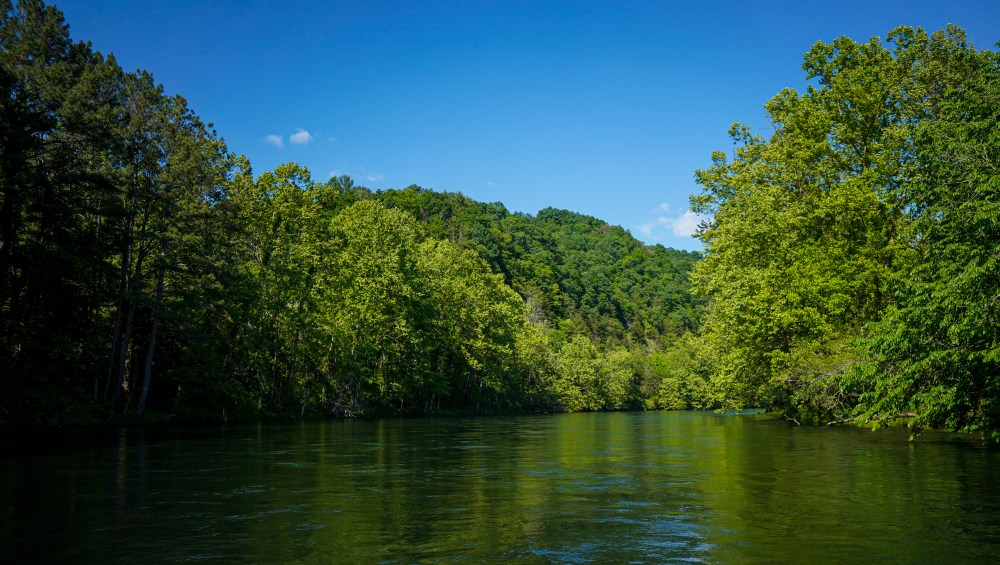
fly fishing the watauga river

Upper Section: Wilbur Dam to Hunter Bridge

This stretch is characterized by its cold, clear waters, directly influenced by the consistent releases from Wilbur Dam. Ideal for targeting a variety of trout, this section offers both rapid flows and slower pools. Launching can be done just below the dam, with take-out points available at Hunter Bridge. This area is perfect for anglers looking for diverse water conditions and the opportunity to catch both rainbow and brown trout.

Middle Section: Hunter Bridge to Blevins Rd Boat Ramp

Moving downriver, the Middle Section presents a mix of riffles, runs, and deeper pools, offering excellent habitat for large trout. The terrain here becomes slightly more challenging, making navigation exciting yet rewarding. Access for launching is readily available at Hunter Bridge, with the journey ending at Blevins Rd Boat Ramp. This section is particularly noted for its scenic beauty and the chance to connect with the river’s natural environment.

Trophy Section: Blevins Rd Boat Ramp to Persinger Rd Boat Ramp

As its name suggests, the Trophy Section is where anglers can expect to encounter larger trout, thanks to the fertile waters and abundant food sources. This part of the river offers a blend of technical fishing spots and areas where the water widens, allowing for easier navigation and casting. Starting at Blevins Rd Boat Ramp and concluding at Persinger Rd Boat Ramp, this section is a must-fish for those aiming to land a trophy-sized catch.
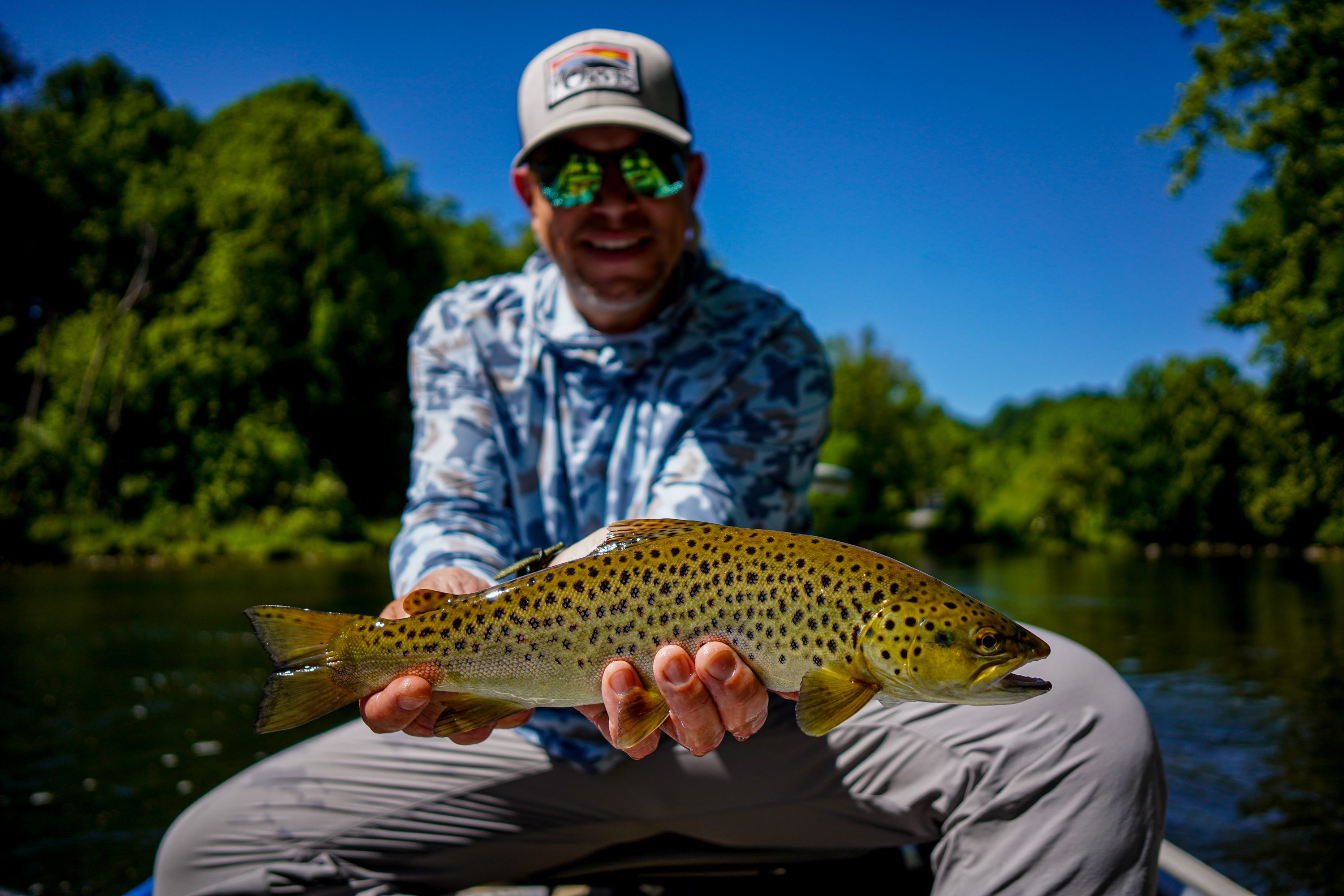
For each of these sections, it’s essential to be mindful of water levels and flow rates, which can vary based on dam releases and weather conditions. Safety should always be a priority, so wearing life jackets and using stable, river-appropriate floatation devices is recommended. Additionally, respecting the river’s natural beauty and practicing catch and release ensure that the Watauga River remains a premier destination for fly fishing enthusiasts.

fly fishing the watauga river

Best Times of Year to Fish the Watauga River

The Watauga River, with its diverse sections and tailwater characteristics, offers year-round fishing opportunities. However, understanding the seasonal patterns and how they influence fish behavior and hatches can greatly enhance the fly fishing experience.

Spring

Spring on the Watauga brings about a resurgence of life, both in and around the river. As temperatures begin to warm, aquatic insect activity increases, leading to significant hatches of mayflies, caddisflies, and midges. This period is characterized by active trout feeding on the surface, making it an ideal time for dry fly fishing. The water levels are generally stable, thanks to controlled releases from the dam, but be mindful of the occasional rainfall that can increase flows temporarily.

Summer

The warm months continue to offer excellent fishing, especially early in the morning and late in the evening when temperatures are cooler. During this time, terrestrials become a significant part of the trout’s diet, along with the continued presence of aquatic insects. The stable cold water from the dam keeps the fish active, even on the hottest days.

Fall

Fall is a favorite among many anglers due to the beautiful foliage and the aggressive feeding behavior of trout as they prepare for winter. Brown trout spawn in the fall, making them more aggressive towards streamers and egg patterns. Hatches of blue-winged olives are common, providing exciting dry fly fishing opportunities.

Winter

Winter fishing on the Watauga can be surprisingly productive. The cold, clear water and fewer anglers on the river create a serene fishing environment. Midges dominate the hatches during this time, and trout can be found in slower, deeper waters conserving energy. Dressing in layers and being prepared for colder temperatures is crucial for a comfortable fishing experience.

Each season on the Watauga River offers something unique, from the hatches to fish behavior and weather patterns. Adapting techniques and fly selections to match these conditions will increase your chances of a successful day on the water.

Fly Selection on the Watauga River

The key to a successful fly fishing adventure on the Watauga River lies not just in skill or knowledge but significantly in the choice of flies. The river’s diverse ecosystem, influenced by seasonal changes and varying water conditions, demands a strategic selection of flies to effectively match the local hatches and entice the trout.

Importance of Fly Selection

Understanding the feeding patterns of trout and the prevalent hatches during different times of the year is crucial. The right fly not only mimics the natural diet of the trout but also increases your chances of a memorable catch. Fly selection on the Watauga River can vary widely from season to season, making versatility and adaptability your best tools.

fly fishing the watauga river

Top Fly Recommendations

Spring to Summer

Nymphs: Pheasant Tail and Hare’s Ear Nymphs are effective in mimicking the natural aquatic insects. Sizes 14-18 can match the majority of the hatches.

Emergers: Blue Winged Olive and Caddis Emergers are essential during this period, especially during late afternoons when hatches are most active.

Dry Flies: Sulphur Duns and Elk Hair Caddis in sizes 14-18 excel in matching the surface activity of trout feeding on emerging insects.

Fall to Winter

Streamers: Woolly Buggers and Zonkers in olive, brown, or black imitate the baitfish and larger nymphs trout feed on aggressively before the winter. They are particularly effective in the fall.

Nymphs: Midges in smaller sizes (18-22) become crucial as the diet of trout shifts towards these smaller insects in colder months.

Matching Local Hatches

Paying attention to the specific hatches occurring on the river is paramount. For instance, during a Sulphur hatch in late spring, matching the size and color with a Sulphur Dun can be the difference between a successful and an uneventful day. Similarly, knowing when Caddis are active and switching to an Elk Hair Caddis can significantly improve your catch rate.

Your selection of flies for fishing the Watauga River should be thoughtful and informed by the current conditions and prevalent hatches. Being prepared with a variety of nymphs, emergers, dry flies, and streamers, and knowing when to use them, will put you in the best position for a successful day on the water.

fly fishing the watauga river

Off-River Activities Near Elizabethton, TN

While the Watauga River offers exceptional fly fishing, the area around Elizabethton, TN, is rich with activities and attractions for when you’re not on the water. Whether you’re looking to explore the local culture, enjoy some downtime, or gear up for your next fishing adventure, Elizabethton and its surroundings have plenty to offer.

Local Attractions

Sycamore Shoals State Historic Park: Dive into the area’s history with a visit to Sycamore Shoals, which plays a pivotal role in the early frontier history. The park offers walking trails, historical reenactments, and a visitor center.

Tweetsie Trail: For those who enjoy the outdoors off the river, the Tweetsie Trail provides a scenic walking and biking path between Johnson City and Elizabethton, perfect for a family outing or a solo adventure.


Lodging and Dining

Lodging: Elizabethton hosts a range of accommodations, from cozy bed and breakfasts to comfortable hotels. Consider staying at the Watauga River Cabins for a charming riverside experience or the Hampton Inn for familiar comforts.

Dining: Refuel after a day on the river at local favorites like The Coffee Company for a casual breakfast or lunch, and enjoy a hearty dinner at Jiggy Ray’s Downtown Pizzeria, known for its lively atmosphere and delicious food.

Local Fly Shops and Community Events

Local Fly Shops: Stop by the local fly shop, Hellbender Outfitters, for the latest fishing reports, gear, and expert advice on fly selection. It’s also a great place to connect with the local angling community.

Community Events: Keep an eye out for fly fishing workshops, river clean-up events, and local fishing tournaments. These events are fantastic opportunities to learn more about the sport and contribute to the conservation of the river’s natural beauty.

Elizabethton and the surrounding area offer a welcoming community and a variety of activities to enrich your fishing trip, making it more than just a day on the river.

Exploring the Watauga River

The Watauga River, with its clear, flowing waters and abundant trout populations, stands as a testament to the beauty and bounty of Northeast Tennessee. Understanding the river’s dynamics, the behaviors of its fish, and the essence of the surrounding community is crucial for any angler seeking a fulfilling fly fishing experience. This guide has journeyed through the prime fishing sections, seasonal strategies, essential fly selections, and even the vibrant life beyond the riverbanks to prepare you for your adventure on the Watauga.

As you set forth, armed with knowledge and anticipation, remember to approach the river with respect. Respect for its natural rhythms, respect for the fish that call it home, and respect for the community that welcomes you. The Watauga River offers more than just a fishing experience; it invites you to become part of a larger story, one of conservation, camaraderie, and the sheer joy of fly fishing. So, wade into its waters with enthusiasm, cherish the quiet moments and the thrill of the catch, and let the Watauga River become a cherished chapter in your angling adventures.