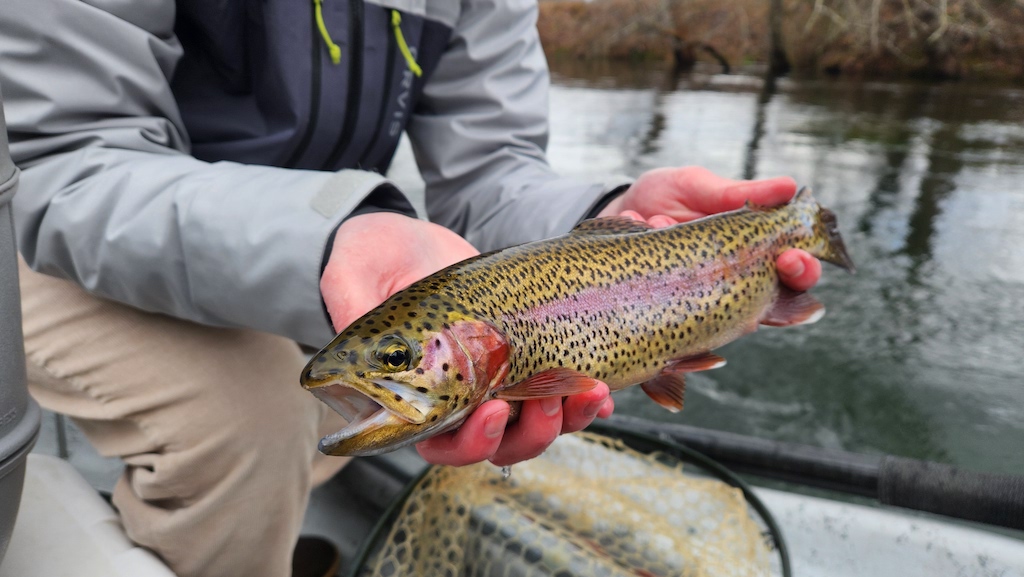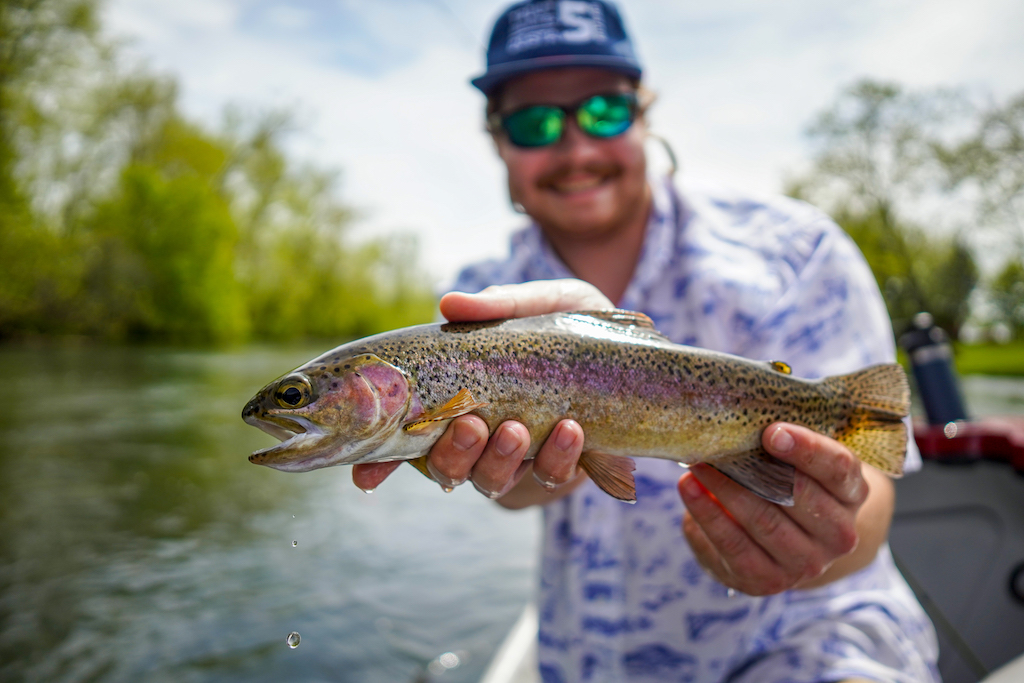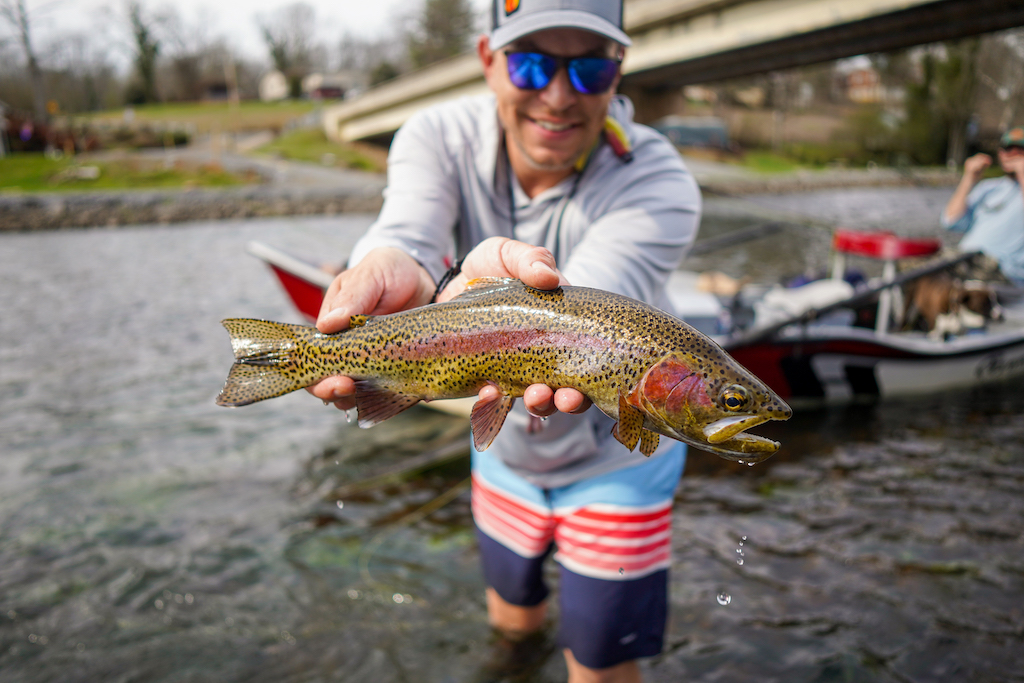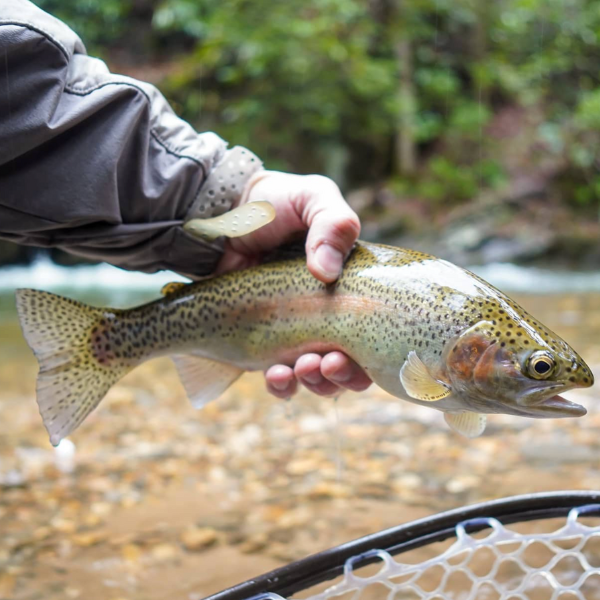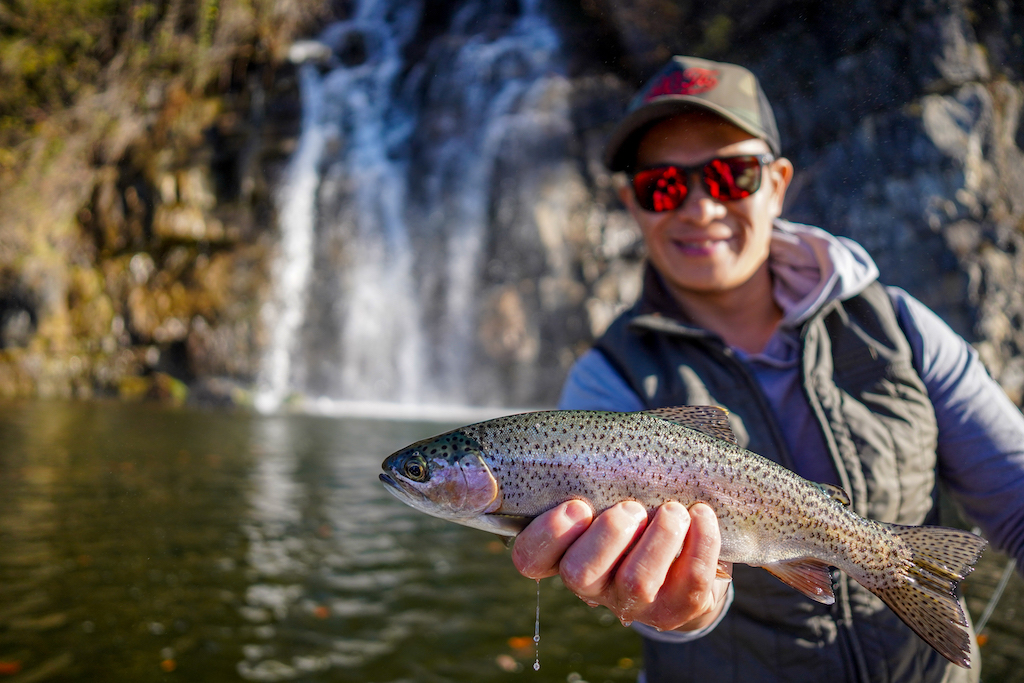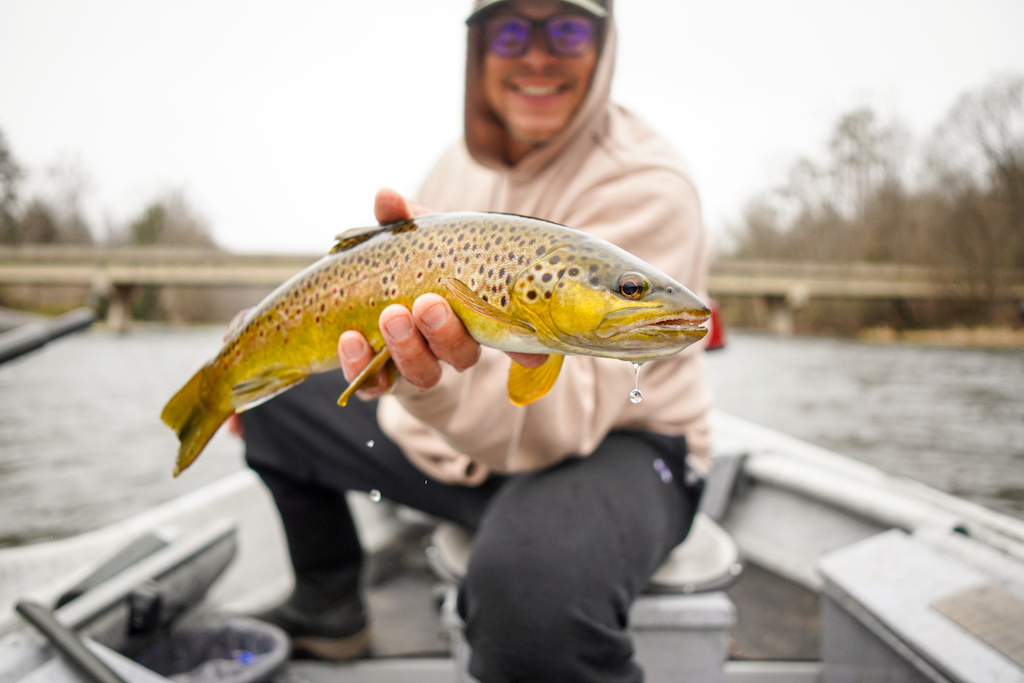
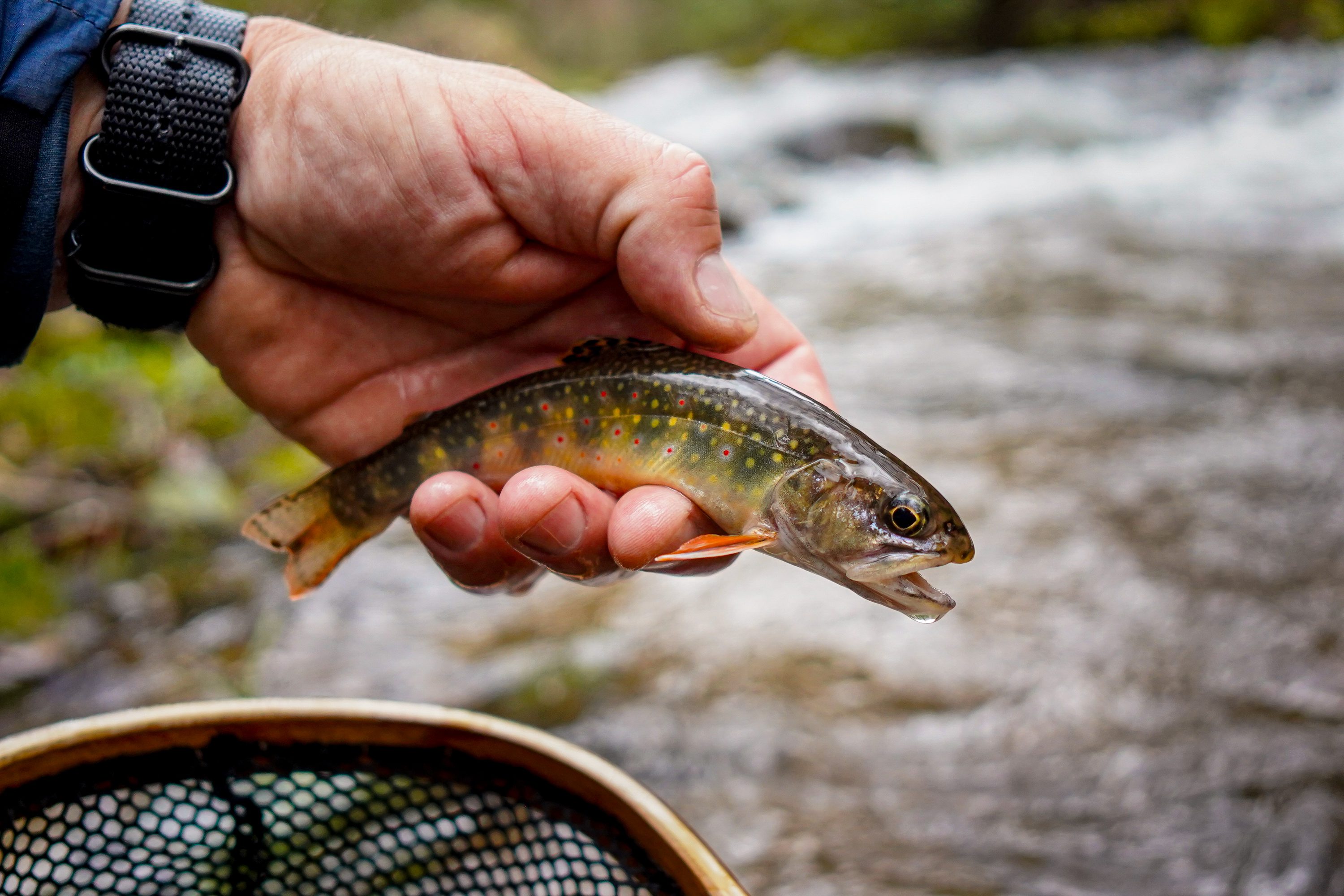
Southern Appalachian Brook trout caught fly fishing East Tennessee.

East Tennessee Fly Fishing | Top 5 Spots

Welcome to some of the best East Tennessee fly fishing locations in the 33 counties, and really some of the best in the Eastern United States. This region, with its sprawling landscapes and lush waterways, stands as a beacon for fly fishing enthusiasts seeking the quintessential American trout fishing experience. Nestled within the heart of the Appalachian Mountains, this region boasts a rich tapestry of rivers, streams, and lakes that offer some of the most picturesque and productive fly fishing spots in the country. The allure of East Tennessee is not just in its breathtaking beauty but also in the diverse aquatic ecosystems that make it a haven for a wide array of trout species.

Fly fishing in East Tennessee is a journey through a world where the wild and the stocked coexist harmoniously. Anglers can expect to encounter an impressive variety of trout, including the elusive wild brown trout, spirited wild rainbow trout, and the cherished native brook trout, alongside generously stocked rainbow and brown trout. This diversity allows for a fly fishing experience that is as rich and varied as the landscape itself. Whether you are wading through the freestone streams in search of wild trout or casting your line in the tailwaters for trophies, East Tennessee offers an unparalleled adventure for every fly fisher.

The aim of this article is to navigate you through the top 5 fly fishing spots in East Tennessee, detailing the unique attributes of each location to enhance your fishing expedition. We will explore the types of trout that populate these waters, from the spirited wild varieties to the bountiful stocked populations, ensuring you know exactly what to expect on your line. Additionally, we will dive into the best flies to carry in your arsenal for each spot, tailored to mimic the local hatch and maximize your catch rate. Understanding the optimal fishing times is crucial, and we will guide you through the best seasons, times of day, and environmental conditions to help you plan your trips for success.

Join us as we unveil the treasures of East Tennessee’s fly fishing destinations, providing you with the insider knowledge to make your next fly fishing trip both memorable and fruitful. Whether you’re a seasoned angler or new to the sport, the rivers and streams of East Tennessee await to offer you a fly fishing experience like no other.

The South Holston River

The South Holston River tailwater, running from Bristol to Bluff City, TN,  stands as a premier destination for fly fishing, particularly renowned for its brown and rainbow trout populations. The SoHo, as locals call it, distinguishes itself not only through the scenic beauty it offers but also through the extraordinary density of trout that call it home. Among its most notable inhabitants are the wild brown trout, with an astonishing density of approximately 8,500 per mile. This remarkable figure highlights the South Holston as a haven for anglers seeking the thrill of catching these coveted fish in their natural habitat.

The wild brown trout in the South Holston River are esteemed for their intelligence and elusiveness, presenting anglers with a formidable challenge that is as rewarding as it is demanding. The river’s ecosystem supports a vibrant, self-sustaining population of these fish, making it an unparalleled fly fishing destination. Alongside the wild browns, the river is also stocked with rainbow trout, ensuring a rich and diverse fishing experience. The combination of wild and stocked trout makes every trip to the South Holston River a potential adventure, with the promise of both quantity and quality.

South Holston brown trout

Best Flies for the South Holston

When targeting these brown trout, the choice of flies is paramount. Sulphurs, with their enticing appearance, are especially effective during their hatch period, closely imitating the insects that trout feed on naturally. Blue Winged Olives also play a critical role during the cooler months, offering a reliable option on overcast days when these insects are most active. For those aiming to catch the larger, more elusive brown trout, streamers are a must-have in your fly box, providing the illusion of baitfish that these predators cannot resist.

Best Times to Fish The South Holston

Understanding the optimal fishing times is crucial for maximizing your success on the South Holston River. In the summer, the best fishing occurs during the early mornings and late evenings, when the trout are most active and feeding at the surface. As the seasons change, the cooler months shift the prime fishing times to midday, when the sun has warmed the waters enough to stimulate trout activity, offering anglers the best chance to experience the river’s full potential.

The South Holston River’s combination of a high density of wild brown trout, strategic fly selection, and understanding of the best times to fish creates a fly fishing experience that is both challenging and immensely rewarding. With around 8,500 wild brown trout per mile, the river is a testament to the abundance and health of its aquatic life, making it a must-visit destination for any serious fly fisher.

Wild brown trout South Holston

Exploring the Watauga River

The Watauga River, whose headwaters start high in the North Carolina mountains, and tailwaters make its way through the picturesque landscapes of Elizabethton and Johnson City, Tennessee, offers a rich tapestry of fly fishing opportunities that captivate both novice and experienced anglers alike. This river is distinguished by its diverse population of trout, presenting a harmonious mix of wild and stocked varieties. Anglers are treated to the presence of wild brown trout, which add a layer of challenge and excitement to the fishing experience. Complementing these are the stocked rainbow and brook trout, ensuring that the river teems with life and offers ample opportunities for a rewarding day out on the water. The Watauga River’s ecosystem supports this vibrant mix, making it a destination of choice for those seeking variety and abundance in their fly fishing adventures.

Best Flies to Use on the Watauga River

Selecting the right flies is crucial for a successful outing on the Watauga River, with certain types proving particularly effective throughout the year.

Midges: These small yet potent flies are indispensable, especially during the colder months when trout feed on these insects extensively.

Caddis: A staple in the fly fisher’s arsenal, caddis imitations are effective during their hatch periods, closely mirroring the natural prey of the trout.

Nymphs: Offering a year-round option, nymphs mimic the larval stage of aquatic insects, appealing to the trout’s instinctual feeding habits and ensuring consistent bites.

Best Times to Fish the Watauga River

Timing your visit to the Watauga River can significantly enhance your fishing experience, with certain seasons offering optimal conditions.

Spring and Fall: These seasons are particularly fruitful for fly fishing on the Watauga River. During spring, the rebirth of nature triggers a surge in insect activity, leading to prolific hatches that trout find irresistible. Fall brings another peak in hatches, with the changing temperatures prompting increased trout activity. These periods not only promise beautiful scenery but also the best chances to witness the river’s full potential, with trout more likely to surface for their meals.

The Watauga River, with its blend of wild and stocked trout and strategic fly recommendations, offers a year-round fly fishing sanctuary. Whether you’re casting your line amidst the blossoming banks of spring or the crisp air of fall, this river ensures a memorable experience, underscored by the thrill of the catch and the beauty of East Tennessee’s natural landscapes.

Watauga river rainbow trout

The Clinch River

In the realm of East Tennessee’s fly fishing destinations, the Clinch River carves out a distinguished position with its exceptional waters that foster a thriving trout habitat. This river is particularly celebrated for its high-quality wild brown trout and abundantly stocked rainbow trout, creating a dynamic fishing environment that appeals to anglers of varying skills and preferences. The wild brown trout of the Clinch River are lauded for their size and the cunning challenge they present, offering the quintessential fly fishing challenge. Complementing these are the stocked rainbow trout, which ensure that anglers find consistent success and enjoyment in their pursuits.

Best Flies to Use on the Clinch River

Effective fly selection on the Clinch River is predicated on a deep understanding of the local hatch patterns and the feeding behaviors of its trout population.

Zebra Midges: These flies are indispensable in the colder months, providing a lifelike representation of the small insects that trout feed on extensively during this time.

Scuds: Acting as a reliable year-round option, scuds mimic the freshwater shrimp and other crustaceans that form a significant part of the trout’s diet in the Clinch River.

Sulphurs: During their hatch in the late spring and early summer, sulphur flies become particularly effective, closely imitating the natural prey of trout and enticing them to the surface.

Clinch River rainbow trout

Best Times to Fish the Clinch River

The Clinch River’s fly fishing success is significantly influenced by the water flow rates, which are dictated by the dam’s release schedule.

Water Flow Rates: Understanding and monitoring the scheduled water releases is crucial for planning a fruitful fishing trip. The periods following these releases offer optimal conditions, as the higher water levels dislodge insects from the riverbed, triggering a feeding frenzy among the trout.

Seasonal Considerations: While the river offers year-round fishing opportunities, the best times are often found in the spring and fall when the hatch activity is at its peak. These seasons not only provide the most scenic backdrop for fly fishing but also ensure that anglers experience the most active trout behavior.

The Clinch River, with its combination of high-quality trout, strategic fly recommendations, and the critical timing of water flows, stands as a testament to the richness of East Tennessee’s fly fishing landscapes. For those willing to adapt to its rhythms, the river promises an unmatched fly fishing adventure, marked by the thrill of the catch and the beauty of its natural surroundings.

The Little River

The Little River, meandering through the scenic landscapes of the Great Smoky Mountains outside of Gatlinburg, is a fly fishing destination of remarkable beauty and biodiversity. Renowned for its abundance of wild rainbow trout, the river offers anglers the rare opportunity to engage with fish that have thrived in these waters for generations. Adding to the allure is the occasional brook trout found in the river’s higher elevations, presenting a delightful challenge for those willing to explore the more secluded stretches and get away from the crowds. The presence of these wild trout, thriving in the pristine conditions of the Little River, epitomizes the pure essence of fly fishing in the heart of nature.
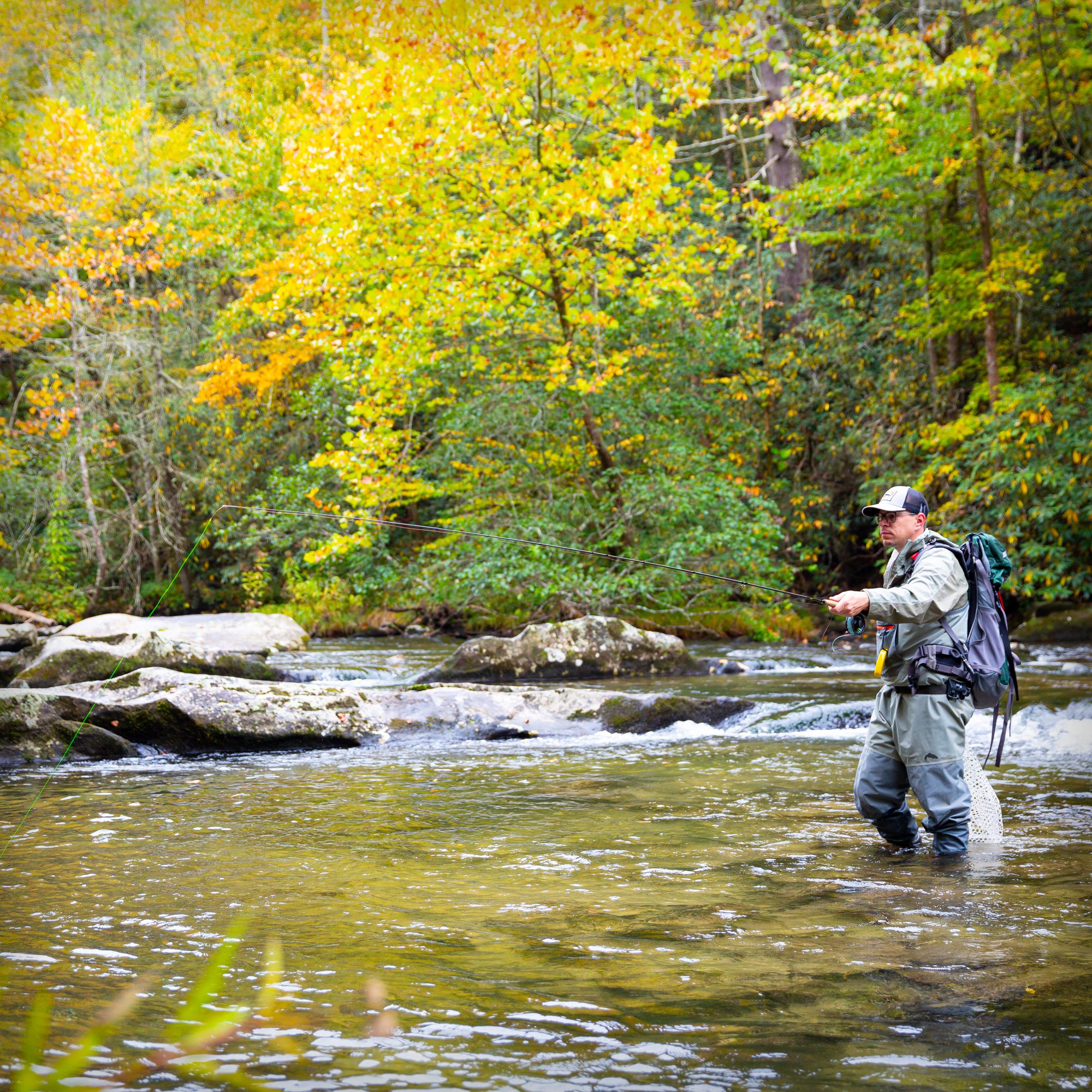
East Tennessee fly fishing

Best Flies to Use on the Little River

Selecting the right flies for the Little River can greatly enhance the fly fishing experience, with certain types proving particularly effective across the different seasons.

Terrestrials: During the warm summer months, terrestrial flies such as grasshoppers, beetles, and ants become invaluable, perfectly imitating the insects that often fall into the water, becoming an easy meal for trout.

Blue Winged Olives: As fall approaches, these mayflies emerge as a prime choice, especially on overcast days when these insects are most active, offering a feast for the trout.

Nymphs: In the colder months, nymphs provide a consistent option, appealing to the trout’s tendency to feed on subsurface prey, thereby increasing the chances of a successful catch.

Best Times to Fish the Little River

Timing is a crucial factor in maximizing the fly fishing experience on the Little River, with certain periods offering more rewarding opportunities.

Late Spring to Early Fall: This timeframe is particularly conducive to fly fishing, as the river comes alive with increased insect activity and more active trout. The late spring heralds the beginning of an abundant fishing season, which peaks during the summer and extends into the early fall.

Early Morning and Late Evening: These times are especially magical on the Little River, as the lower light levels encourage trout to feed more aggressively at the surface, creating ideal conditions for dry fly fishing.

The Little River, with its wild rainbow and brook trout, tailored fly recommendations, and optimal fishing times, invites anglers to immerse themselves in an authentic fly fishing adventure. This river not only challenges and rewards in equal measure but also offers a serene escape into the untouched beauty of East Tennessee’s natural landscapes.
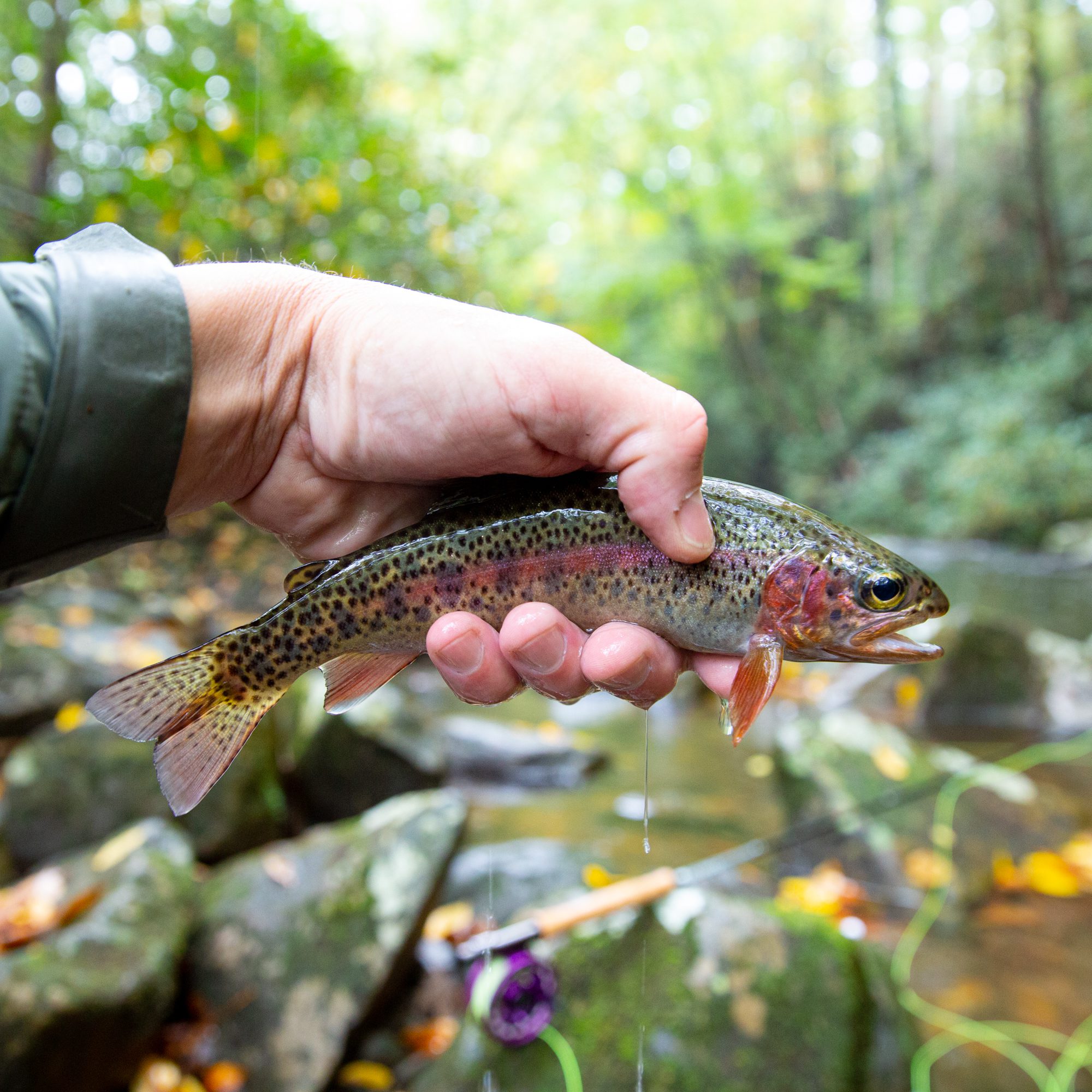
wild rainbow trout caught fly fishing

The Tellico River

Nestled in the lush forests of the Cherokee National Forest in East Tennessee, the Tellico River is a celebrated fly fishing destination, renowned for its large rainbow trout and the elusive native brook trout found in its tributaries. This river has built a reputation as a go-to spot for anglers aiming to hook into trophy-sized rainbows, thanks to the Tennessee Wildlife Resources Agency’s regular stocking efforts. Additionally, the higher, more secluded reaches of its tributaries offer a serene and challenging fishing experience for those in pursuit of native brook trout, providing a pristine and untouched fishing environment that is as rewarding as it is beautiful.

Best Flies to Use on the Tellico River

The diverse aquatic environments of the Tellico River demand a versatile fly box, with specific patterns standing out for their effectiveness throughout the year.

Stoneflies: With their robust size and tempting silhouette, stonefly patterns are particularly effective in the early parts of the year, closely mimicking one of the native brook trout’s favorite meals.

March Browns: These flies come into their own in the spring, offering an excellent imitation of the natural insects that hatch during this season, enticing both rainbow and brook trout to the surface.

Wooly Buggers: A versatile and effective fly, wooly buggers can be used throughout the year to mimic a variety of prey, from baitfish to leeches, appealing to the aggressive feeding habits of larger trout.

Best Times to Fish the Tellico River

Selecting the optimal time to fish the Tellico River can greatly enhance the fly fishing experience, with specific periods offering the most favorable conditions.

Spring and Early Summer: These seasons are particularly advantageous for fly fishing on the Tellico River. Spring brings about a surge in insect activity and trout feeding behavior, making it an ideal time for dry fly and nymph fishing. The early summer continues this trend, with warmer temperatures and increased hatches providing abundant opportunities for anglers.

Delayed Harvest Regulations: It’s important for anglers to be aware of the delayed harvest regulations that are in place during certain times of the year. These regulations, designed to protect the trout population and improve fishing quality, restrict the types of fishing techniques and times you can fish, emphasizing catch and release with artificial flies only during these periods.

The Tellico River, with its abundant stocked rainbow trout, challenging native brook trout, and recommended flies, offers a quintessential East Tennessee fly fishing adventure. Anglers are encouraged to immerse themselves in the natural beauty and diverse fishing opportunities the river provides, all while respecting the regulations designed to preserve this magnificent fishing destination for future generations.

Gear and Preparation for Fly Fishing in East Tennessee

Embarking on a fly fishing adventure in East Tennessee requires not only skill and patience but also the right gear. Essential equipment includes a quality fly rod, reel, tippet, and leaders, each playing a crucial role in the success of your fishing expedition. Fly rods should be chosen based on the specific conditions and species you’re targeting, with a versatile 5-weight rod being a popular choice for the diverse fishing environments of East Tennessee. Reels should complement your rod’s weight and be capable of holding enough backing and line for the type of fishing you plan to do.

The tippet and leader are vital components that connect the fly to your line, with their size and strength varying depending on the target species. Smaller tippet sizes (higher numbers like 5X or 6X) are typically used for smaller flies and finicky trout in clear water, where stealth is key. Larger tippets (lower numbers like 3X or 4X) are suited for larger flies and bigger fish, providing the strength needed to land them effectively.
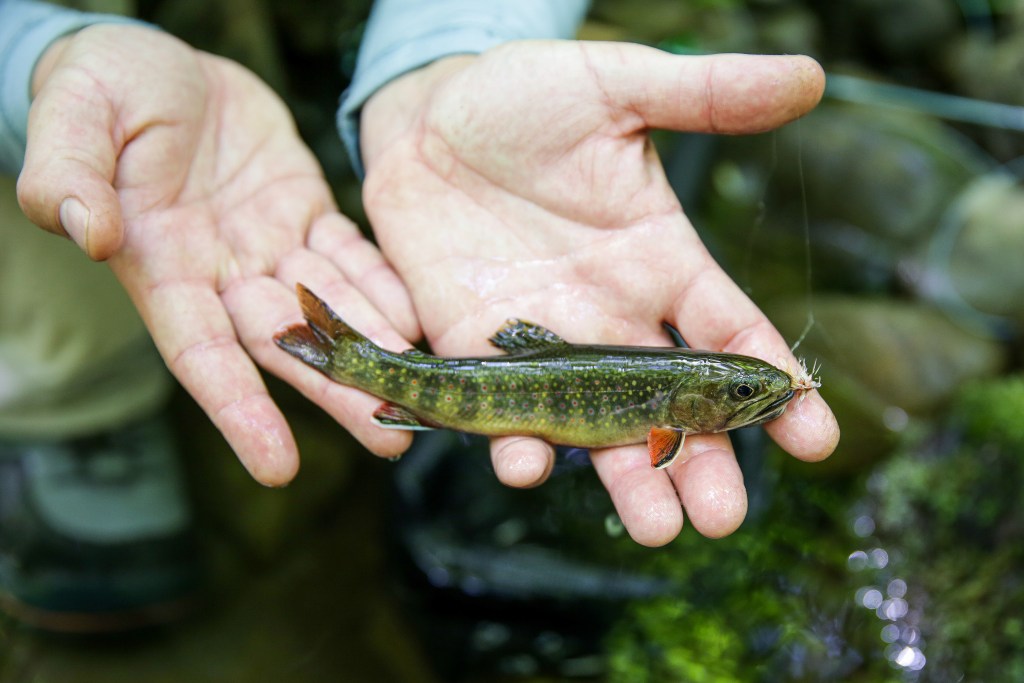
Brook trout caught in  GSMNP

Before heading out, acquiring a Tennessee fishing license is a must for both residents and non-residents. This not only ensures your fishing activities are legal but also contributes to the conservation efforts in the state. Understanding local regulations is equally important, as rules can vary significantly between waters, especially concerning catch limits, size restrictions, and specific fishing seasons or areas. Proper preparation, respecting the environment, and adhering to regulations will not only enhance your fishing experience but also help preserve East Tennessee’s natural beauty and fish populations for future generations.

Celebrating East Tennessee’s Premier Fly Fishing Destinations

As we conclude our journey through the top 5 fly fishing spots in East Tennessee, it’s clear that each location offers its own unique allure, catering to a wide array of angling preferences and skills. From the abundant wild brown trout and stocked rainbows of the South Holston River to the diverse trout populations of the Watauga River, these waters provide unmatched opportunities for fly fishing enthusiasts. The Clinch River stands out for its high-quality trout and optimal fishing conditions post-water releases, while the Little River offers a wild trout haven within the serene settings of the Great Smoky Mountains. The Tellico River, with its large stocked rainbows and native brook trout, completes this quintet, offering trophy-sized catches for those willing to explore its waters.

Each of these destinations highlights the rich biodiversity and natural beauty of East Tennessee, reminding us of the importance of respecting and conserving these pristine environments. As anglers, we hold a responsibility to not only enjoy but also protect these waterways for future generations, ensuring that the legacy of fly fishing in East Tennessee continues to thrive.

We invite you, the reader, to share your experiences and tips for fly fishing in East Tennessee. Whether it’s a memorable catch, a tried-and-true fly pattern, or advice on navigating the local waters, your insights can help foster a community of anglers who cherish and preserve the natural wonders of this region. So, cast your line, immerse yourself in the beauty of East Tennessee’s rivers and streams, and join us in celebrating the art and spirit of fly fishing in one of America’s most cherished angling destinations.

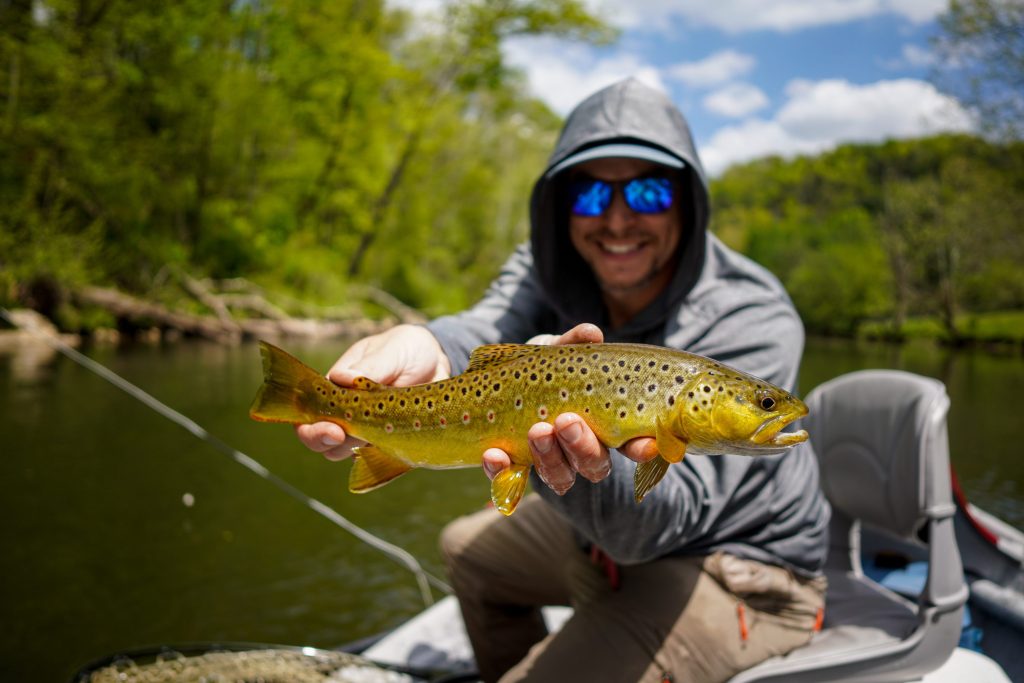
Fly Fishing TN caught rainbow trout on the Watauga river

Best Fly Fishing in Tennessee | Top 12 Fisheries

Tennessee stands as a premier destination for fly fishing enthusiasts, thanks to its diverse and rich fisheries that carve through the state’s varied landscapes. From the misty mountains of the east to the rolling hills of the central regions, Tennessee’s waters are a haven for a wide array of fish species, with trout taking center stage. The state’s rivers, streams, and lakes are home to an impressive variety of trout, including the elusive wild brown, the vibrant rainbow, and the cherished native brook trout, offering anglers the chance to engage with these species in their natural habitats.

This article aims to be your ultimate guide to the best fly fishing in Tennessee, spotlighting the top 12 fisheries that make the Volunteer State a bucket-list destination for fly fishers worldwide. Each location is a unique gem, offering its own set of challenges and rewards, from the adrenaline-pumping pursuit of trophy trout to the serene enjoyment of unspoiled natural beauty. We’ll delve into the distinct offerings of each spot, including the types of trout you can expect to encounter, the most effective flies to use, and the optimal times to cast your line. Join us as we explore the rich tapestry of fly fishing experiences that Tennessee has to offer, ensuring you have all the information needed for a successful and memorable fishing adventure.

DSC09144

Exploring the South Holston: A Trout Fishing Paradise

In Bristol, the South Holston River sets itself apart with a remarkable array of trout, most notably its wild brown trout and the generously stocked rainbow trout. This river serves as a testament to the rich aquatic life of Tennessee, offering both the challenge of catching the cunning wild browns and the joy of engaging with the plentiful rainbows.

SoHo Fly Selection

For those casting their lines into the South Holston, choosing the right fly is paramount. Sulphurs and Blue Winged Olives are crucial during their peak hatches, perfectly imitating the insects that trout cannot resist. For anglers aiming to hook the larger, more elusive brown trout, streamers are the key, mimicking the movement and size of the baitfish that these predators target.

Best Time to Fish the SoHo

The optimal fishing times on the South Holston River vary with the seasons. During the summer, the river comes alive in the early mornings and late evenings, when the water temperatures are cooler, and trout are most active. In contrast, the cooler months shift the ideal fishing window to midday, when the sun warms the water slightly, encouraging trout to feed more aggressively. This seasonal rhythm ensures that the South Holston offers a year-round retreat for anglers seeking both tranquility and the thrill of the catch.

Clinch River

The Clinch River is distinguished by its high-quality wild brown trout and abundant stocked rainbow trout, creating a dynamic fly fishing environment. This river provides a blend of challenge and opportunity, with the elusive wild browns appealing to experienced anglers and the stocked rainbows offering plentiful catches for all levels of fishing expertise.

Clinch River Fly Selection

Effective fly selection on the Clinch River is crucial for a fruitful day of fishing. Zebra Midges and Scuds are year-round staples, perfectly imitating the small aquatic invertebrates that form a significant part of the trout’s diet. During hatch seasons, Sulphurs become particularly effective, matching the natural insects that emerge and attracting trout to the surface for a feast.

fly fishing in tennessee

Best Time to Fish the Clinch

Timing on the Clinch River is heavily influenced by the water flow rates, which are dictated by the dam’s release schedule. Anglers find the most success fishing after scheduled water releases, as the increased flows stir up the riverbed, bringing food into the current and activating the trout’s feeding instincts. Understanding and planning around these releases are essential for capitalizing on the prime fishing conditions the Clinch River offers, ensuring both a productive and exhilarating fishing experience.

Caney Fork River

The Caney Fork River is a treasure trove for anglers, boasting a generous stocking program that ensures a steady population of rainbow, brown, and brook trout. This diversity allows for a vibrant fishing experience, catering to a wide range of preferences and techniques. The stocked trout ensure that every visit has the potential for success, making the Caney Fork a favored destination among Tennessee’s fly fishing spots.

Caney Fork Fly Selection

On the Caney Fork, the key to a successful catch lies in the versatility of your fly box. Midges are essential, especially in smaller sizes, to match the prevalent aquatic invertebrates. Wooly Buggers offer a more aggressive option, ideal for enticing larger trout looking for a substantial meal. San Juan Worms replicate the worms and larvae dislodged by water currents, a tempting snack for trout in various conditions.

Best Times to Fish the Caney Fork

The Caney Fork River offers excellent year-round fishing opportunities, but the best times to cast your line are during the early morning and late evening in the warmer months. These periods see lower light conditions, which encourage trout to feed more actively at the surface. The reduced human activity during these times also contributes to a more serene and productive fishing environment, enhancing the overall experience on the Caney Fork.

Hiwassee River

Just outside of Chattanooga, the Hiwassee River, with its scenic beauty and abundant waters, is home to a healthy population of both wild and stocked rainbow and brown trout. This unique blend offers anglers the thrill of engaging with trout that have grown up in the wild, alongside the reliability of stocked fish. The diversity in trout population makes the Hiwassee a versatile fishing destination, catering to a wide spectrum of fly fishing enthusiasts seeking different types of challenges and experiences.

fly fishing in tennessee

Hiwassee River Fly Selection

The Hiwassee River’s ecosystem supports a rich aquatic life, including a variety of insect hatches that trout feed on. Caddis, Mayflies, and Stoneflies are essential inclusions in any angler’s fly box when heading to the Hiwassee. These flies mimic the natural diet of the trout throughout the year, with specific patterns and sizes becoming more effective as the seasons change and different hatches occur.

Best Times to Fish the Hiwassee

The optimal fishing season on the Hiwassee River spans from late spring through fall, a period characterized by significant insect activity and favorable water temperatures. However, the river’s fishing conditions are also heavily influenced by water releases from the dam. Anglers should pay close attention to the release schedules, as these events can dramatically improve the fishing conditions, stimulating trout activity and feeding behaviors, thus providing windows of opportunity for productive fishing.

Tellico River

The Tellico River is celebrated for its large stocked rainbow trout and elusive native brook trout, making it a standout destination for anglers in Tennessee. The river’s stocking program ensures a robust population of rainbow trout, offering ample opportunities for successful catches. Meanwhile, the native brook trout, thriving in the river’s pristine waters, provide a unique challenge for those seeking to connect with the indigenous species of the region.

Tellico Fly Selection

To maximize success on the Tellico River, anglers should equip themselves with a variety of flies. Stoneflies and March Browns are particularly effective during their respective hatches in the spring, closely imitating the natural prey of trout in the river. Wooly Buggers serve as a versatile option, appealing to the predatory instincts of both rainbow and brook trout with their lifelike swimming action, making them a must-have in any fly fisherman’s arsenal.

Best Times to Fish the Tellico

The prime fishing season on the Tellico River spans from spring to early summer, a period when the river’s ecosystem is most vibrant, and trout are actively feeding. Anglers should be mindful of the delayed harvest regulations that are in place, designed to protect the fish populations and enhance the fishing experience. These regulations often dictate catch-and-release practices and the use of artificial flies only, ensuring the sustainability of the river’s trout fisheries for future generations.

fly fishing in tennessee

Watauga River (Tailwater)

The Watauga River, particularly the tailwaters flowing through Elizabethton, boast a remarkable diversity of trout, offering anglers the chance to catch wild and stocked browns, rainbows, and brook trout. This mix ensures a dynamic fishing experience, where the challenge of catching wild trout blends with the excitement of abundant stocked populations. The presence of brook trout adds a special allure, making the Watauga an essential destination for Tennessee fly fishers seeking variety and quality.

Watauga River Fly Selection

Effective fly fishing on the Watauga River requires a well-curated selection of flies. Midges are indispensable year-round, particularly in smaller sizes to match the prevalent hatch and satisfy the selective appetites of trout. Caddis patterns are highly effective during their hatch periods, mimicking one of the primary food sources for trout in this river. Additionally, a variety of nymphs should not be overlooked, as they can entice trout feeding below the surface, especially in between hatches.

Best Times to Fish the Watauga

The optimal fishing seasons on the Watauga River are spring and fall, periods marked by significant insect activity and ideal water temperatures. These seasons witness the most prolific hatches, providing anglers with the best opportunities to engage in dry fly fishing and witness trout actively feeding on the surface. Attention to hatch schedules and water conditions during these times can significantly enhance the fishing experience, making each visit to the Watauga River both productive and memorable.

Abrams Creek

Abrams Creek stands out in the Tennessee fly fishing landscape for its population of large wild brown trout. This stream, nestled within the Great Smoky Mountains National Park near Gatlinburg, offers a pristine environment where these majestic fish thrive, providing anglers with the chance to pursue some of the most challenging and rewarding trout fishing in the region. The presence of large wild browns in Abrams Creek is a testament to the health and vitality of its waters, making it a coveted destination for serious trout angler looking for trout streams less traveled.

Abrams Creek Fly Selection

To successfully engage the discerning trout of Abrams Creek, anglers should focus on Terrestrials during the summer months, as these patterns effectively imitate the insects that frequently fall into the water, such as ants, beetles, and grasshoppers. In the fall, Blue Winged Olives become particularly effective, matching the natural hatch that occurs during this season and enticing trout to the surface for a feast.

Best Times to Fish Abrams

The ideal fishing season in Abrams Creek extends from late spring through fall, a period characterized by dynamic insect activity and optimal water conditions for trout. However, anglers should pay special attention to park access times, as regulations within the Great Smoky Mountains National Park can influence when and where fishing is permitted. Planning visits around these access times is crucial for maximizing time on the water and ensuring a successful fishing experience in this unique and beautiful trout fishery.

Citico Creek

Citico Creek, nestled in the lush landscapes of the Cherokee National Forest, is a haven for anglers seeking the thrill of catching wild trout in their natural habitat. This creek is home to a healthy population of wild rainbow and brown trout, with the occasional brook trout adding to the creek’s fishing allure. The diversity of trout species makes Citico Creek a rewarding destination for fly fishers who appreciate the beauty and challenge of pursuing wild fish in serene, untouched settings away from the crowds.

Citico Creek Fly Selection

Successful fishing in Citico Creek relies on a versatile fly selection that can adapt to the varied conditions and feeding patterns of its trout. Nymphs are a staple, effective in reaching the deeper pockets where trout often feed, while dry flies excel during hatch periods, enticing trout to the surface. Streamers offer an aggressive option for targeting larger trout, mimicking the small fish and other prey these predatory fish hunt.

fly fishing in tennessee

Best Times to Fish Citico

The best times to fish Citico Creek are during the spring and fall, when water temperatures are ideal for trout activity, and the creek is alive with insect hatches. These seasons offer the optimal balance of weather, water conditions, and trout behavior, making them prime times for fly fishing. However, anglers should be cautious of high water levels during the rainy seasons, as these can make fishing difficult and potentially hazardous. Planning trips outside of these high-water periods ensures not only a safer fishing experience but also a more productive one, as lower water levels provide better access to trout habitats and feeding lanes.

Doe River

The Doe River, particularly renowned for its breathtaking gorge area, is a sanctuary for anglers pursuing wild brown and rainbow trout. The rugged beauty of the gorge not only provides a stunning backdrop for fly fishing adventures but also shelters a vibrant population of trout. These wild fish offer a level of challenge and satisfaction that appeals to the purist angler, making the Doe River a must-visit for those seeking the authentic thrill of fly fishing in natural, unspoiled settings. The local Overmountain TU chapter has also put together the DRiFT trail right outside of Roan Mountain State Park that is a must visit for anglers!

Doe River Fly Selection

Effective fishing in the Doe River calls for a focused approach to fly selection. Small Nymphs are crucial, as they can navigate the varied underwater terrains of the river, reaching the spots where trout like to feed. Dry Flies become particularly effective during hatch periods, when trout are more likely to rise to the surface for their meals. These flies should be chosen with the river’s specific conditions in mind, matching the size and pattern of the natural insects present.

Best Times to Fish the Doe

The Doe River shines as a fly fishing destination during spring and fall. Spring brings higher water levels, courtesy of the melting snow and seasonal rains, providing ideal conditions for nymph fishing as trout become more active in search of food. Fall, on the other hand, offers not only the visual spectacle of changing foliage but also an increase in trout activity, making it a perfect time for both nymph and dry fly fishing. These seasons offer distinct experiences on the Doe River, with spring focusing on the challenge of navigating higher waters and fall offering a harmonious blend of beauty and bountiful fishing opportunities.

fly fishing in tennessee

Elk River

The Elk River is a prime destination for anglers looking to land stocked rainbows and browns, with the added allure of potentially hooking into trophy-sized fish. This river’s stocking program ensures a consistent population of trout, making it a reliable spot for those seeking the excitement of catching large, robust fish. The potential for trophy catches adds a thrilling dimension to fly fishing on the Elk, drawing both novice and experienced anglers eager to test their skills against some of the most impressive trout in Tennessee.

Elk River Fly Selection

To maximize success on the Elk River, anglers should focus on a trio of effective fly types. Streamers are key for enticing the river’s larger trout, imitating the baitfish these predatory fish feed on. Nymphs offer a more subtle approach, ideal for targeting trout feeding below the surface on aquatic invertebrates. Egg Patterns mimic the spawn of other fish, a high-calorie meal that trout find irresistible, especially after the stocking events when the fish are adjusting to their new environment.

Best Times to Fish the Elk

The Elk River is most productive after stocking events in the spring and fall, when the fresh influx of trout are acclimating and more aggressively feeding, increasing the chances of a successful catch. Additionally, the morning and evening hours during the summer present optimal fishing conditions, as the cooler temperatures of these times encourage trout to be more active. These periods avoid the midday heat, which can often make trout lethargic and less likely to feed, thus providing anglers with the best opportunity to experience the Elk River’s full potential.

Laurel Fork

Laurel Fork stands as a serene retreat for those seeking the subtle thrill of fly fishing for wild trout in Tennessee. This stream is predominantly inhabited by wild rainbow trout, offering a pure and challenging fishing experience. The presence of some brook trout adds to the allure, providing anglers with variety and the chance to target two of the most sought-after species in the fly fishing world. The wild nature of these trout makes each catch a rewarding achievement, reflecting the angler’s skill and the vibrant ecosystem of Laurel Fork.

Laurel Fork Fly Selection

Success in the clear, fast-flowing waters of Laurel Fork often comes down to the choice of flies. Dry Flies are essential for tempting surface-feeding trout, especially during hatch periods when insects are abundant. Small Nymphs play a critical role in probing the deeper waters where trout often lurk, waiting for prey. The key is subtlety and precision, with patterns and sizes that closely mimic the natural diet of the trout in this pristine stream.

Best Times to Fish Laurel Fork

The optimal fishing season on Laurel Fork spans from late spring to early fall, a timeframe when water levels are most conducive to fly fishing. During these months, the stream’s flow is ideal, neither too high to make wading dangerous nor too low to concentrate trout and make them overly wary. This period also coincides with the most active feeding times for trout, as warmer temperatures increase their metabolism and, consequently, their need to feed. Anglers visiting Laurel Fork during these times can enjoy not only the beauty of the changing seasons but also the heightened opportunity for a successful day on the water, surrounded by the unmatched tranquility of Tennessee’s wilderness.

Stoney Creek

Stoney Creek offers a unique fly fishing experience with its populations of small wild trout, including both rainbow and brook varieties. This creek is a testament to the resilience and diversity of Tennessee’s trout ecosystems, providing anglers with the joy of connecting with fish in their most natural state. The smaller size of Stoney Creek’s trout challenges anglers to refine their techniques and approach, making every catch a rewarding testament to skill and patience.

Stoney Creek Fly Selection

To succeed in the clear, swift waters of Stoney Creek, anglers should rely on Light Nymphs and Dry Flies. These selections are crucial for mimicking the small insects that constitute the primary diet of the creek’s trout. Light nymphs are perfect for exploring the deeper pools and runs where trout often hide, while dry flies offer the excitement of surface strikes during hatch periods. The subtlety and precision of these flies are key to enticing the wary, wild trout of Stoney Creek.

Best Times to Fish Stoney Creek

The best fishing experiences on Stoney Creek come during the summer months for dry fly fishing, when insect activity is at its peak and trout are more likely to feed on the surface. Spring and fall present the optimal conditions for nymphing, as fluctuating water levels and temperatures encourage trout to feed more aggressively, making them more receptive to subsurface presentations. These seasons offer anglers the chance to engage with the creek’s dynamic trout populations, enjoying the serene beauty of the surrounding landscape while pursuing the art of fly fishing.

Gear and Preparation for Tennessee Fly Fishing

Embarking on a fly fishing adventure in Tennessee’s diverse waters requires not only skill and knowledge but also the right gear. Essential equipment includes a versatile fly rod—often a 5-weight for its all-around utility in various fishing conditions—a reliable reel, and a selection of flies that match the local hatches. A good waterproof wader and comfortable, sturdy wading boots are also crucial for navigating the streams and rivers of Tennessee.

fly fishing in tennessee

When it comes to rigging, selecting the right tippet and leader size is vital for fooling Tennessee’s wary trout. For smaller trout and clear water conditions, a lighter tippet (5X to 7X) is advisable to ensure stealth. For targeting larger species or fishing in murkier waters, a heavier tippet (3X to 4X) might be more appropriate to withstand the fight without sacrificing subtlety.

Before heading out, obtaining a Tennessee fishing license is mandatory for anglers of nearly all ages. This not only complies with state law but also contributes to conservation efforts, ensuring the health and sustainability of Tennessee’s fish populations. Familiarizing yourself with local regulations—such as catch limits, size restrictions, and specific area rules—is equally important to ensure a responsible and enjoyable fishing experience. Proper preparation, respect for the environment, and adherence to regulations are key to a successful and fulfilling fly fishing adventure in Tennessee.

Celebrating Tennessee’s Fly Fishing Riches

Our journey through the top 12 fly fishing spots in Tennessee reveals a state abundant in both variety and quality of angling experiences. From the trophy waters of the South Holston River to the wild streams of Stoney Creek, each location offers something unique for every angler. Whether you’re drawn to the challenge of landing a large wild brown trout, the thrill of catching stocked rainbows, or the serenity of pursuing native brook trout in pristine waters, Tennessee’s rivers and streams provide a backdrop for unforgettable fishing adventures.

As we cherish these fly fishing treasures, let’s also remember the importance of respecting the natural beauty and supporting conservation efforts in these areas. Our commitment to preserving these habitats ensures that future generations can enjoy the same thrilling experiences we have today.

We invite you, our fellow anglers, to share your own stories, tips, and favorite spots for fly fishing in Tennessee. By fostering a community of passionate and responsible anglers, we not only enrich our own fishing experiences but also contribute to the stewardship of Tennessee’s extraordinary aquatic ecosystems. Let’s continue to celebrate the art of fly fishing and the natural wonders that make Tennessee a premier destination for anglers worldwide.