South Holston river trout fishing produced this trophy brown trout

South Holston River Trout Fishing | A Great Guide for Anglers

Welcome to the enchanting world of South Holston River trout fishing, a true paradise for anglers. Nestled in the scenic landscapes of Tennessee, this river has carved its reputation as one of the premier destinations for trout fishing in the United States. Renowned for its abundant and sizeable trout population, the South Holston offers an unparalleled fishing experience that attracts both novice and seasoned fly fishermen year-round.

The river’s unique charm lies not only in its bountiful trout but also in its diverse aquatic environments. From gentle, meandering flows to more challenging, rapid sections, South Holston River provides a variety of settings for different fishing techniques. The river is predominantly known for its healthy populations of brown and rainbow trout, offering anglers a chance to test their skills against different species.
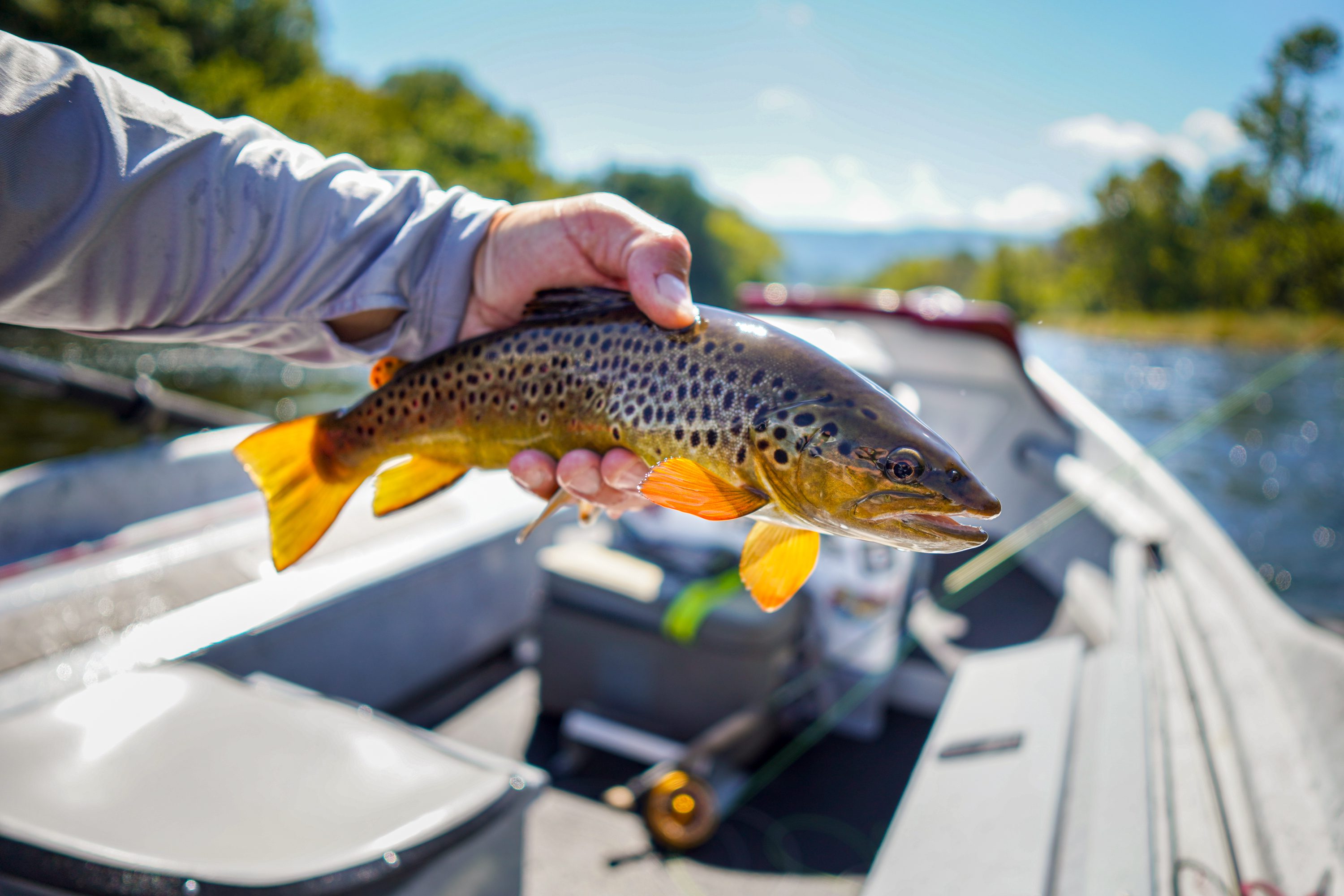
wild brown trout caught fly fishing the SOHO

What truly sets the South Holston apart is its consistent aquatic insect hatches, making it a haven for fly fishermen. The river boasts an impressive array of insects, including mayflies, caddisflies, and midges, providing a rich food source for the trout and making fly selection an exciting and crucial part of the fishing experience. The renowned Sulphur hatch, a spectacle in itself, draws anglers from far and wide, eager to witness and partake in this natural event.

Situated in a picturesque valley, the river’s surroundings add to the overall experience, with lush greenery and the serene backdrop of the Appalachian Mountains. Whether you’re a fly fishing enthusiast or simply someone who appreciates the beauty of nature, South Holston River promises an unforgettable adventure. Join us as we dive deeper into this angler’s paradise, exploring the best techniques, gear, and spots to make the most of your fishing journey on the South Holston River.

South Holston river trout fishing produced this large wild brown trout

Understanding the South Holston River

The South Holston River, flowing through the heart of Tennessee, presents a varied and enchanting landscape for anglers. Originating from the South Holston Dam, it winds through stunning scenery, offering a diverse range of fishing environments. The river features deep pools, swift runs, and gentler sections, each with its own unique fishing opportunities. Notable fishing spots include the Weir Dam, Osceola Island, and areas downstream of Emmett Bridge, each acclaimed for their rich trout populations and picturesque settings. Check out our South Holston River Map for more detailed places to fish. 


Geography and Water Conditions

The river’s water conditions are integral to its appeal. Benefitting from a bottom-release dam, the South Holston maintains a consistent temperature and clarity, creating ideal conditions for trout. The clear, cold waters demand skillful, subtle approaches, as the trout here can be particularly discerning.

Trout Species in South Holston River

The South Holston River is a haven for trout enthusiasts, boasting a rich variety of species. Dominant among these are the brown trout, known for their size and strength, with many exceeding 20 inches. Rainbow trout also thrive here, offering a vibrant and spirited fishing experience. Seasonal changes significantly influence trout behavior and distribution in the river. Spring and fall witness heightened activity with more aggressive feeding patterns, while summer and winter challenge anglers with more subdued trout activity, requiring refined strategies.

Each season on the South Holston River brings its distinct flavor and fishing challenges, making it a year-round destination for anglers. Whether engaging in dry fly fishing during the active spring or navigating the deeper waters with nymphs in the colder months, understanding these seasonal patterns is crucial for a fulfilling fishing experience.

Essential Gear for South Holston River Trout Fishing

Having the right gear for a day on the South Holston River is essential. Depending on the type of fishing you’re trying to do, will depend on the best gear for that situation. Afterall, dry fly fishing requires a vastly different rig than streamer fishing. Below you will find some of our recommendations. 

Fly Fishing Rods and Reels

When gearing up for a fruitful day on the South Holston River, choosing the right rod and reel setup is crucial. Given the river’s varied landscape, a versatile approach works best. A 9-foot rod for a 4 or 5-weight line is ideal for most situations you’ll encounter here. This setup offers enough length for effective casting in wider sections and sufficient backbone for handling the larger browns, while still being delicate enough for the lighter takes of rainbows.

For the reel, look for something with a smooth drag system to protect the lighter tippets often used in South Holston. A reel that balances well with your rod, ensuring comfort during long days on the water, will enhance your fishing experience.

Flies and Tackle

The South Holston River’s insect life is abundant, making fly selection both exciting and critical. A good starting point is to have a variety of nymphs, dry flies, and streamers. Nymphs like the Pheasant Tail or the Copper John in sizes 16 to 22 can be particularly effective. For dry flies, patterns such as the Blue Winged Olive or Sulphur Dun, depending on the season, are essential. Sizes 18 to 24 work well for these.

Streamers also have their place in your arsenal, especially when targeting larger brown trout. Patterns like Woolly Buggers or Zonkers in natural colors can be effective, especially in deeper pools or during higher water conditions.

Pay attention to the current hatches when selecting fly size and color. The South Holston is known for its Sulphur and Blue Winged Olive hatches, so matching these patterns can lead to a successful day. Observing the river’s insect activity and trout behavior upon arrival will guide your initial fly choice and throughout your fishing session. Remember, sometimes the subtlest variation in size or color can make all the difference between a good day and a great one on the South Holston.

Fly Fishing Techniques for South Holston River

Embarking on a fly fishing adventure in the South Holston River calls for a blend of skill, patience, and knowledge of key fishing techniques. This renowned river, with its diverse currents and rich aquatic life, presents both challenges and opportunities for the discerning angler. Whether you’re navigating its serene slow-moving sections or tackling the more dynamic riffles, mastering the art of fly fishing here is both rewarding and exhilarating. In this guide, we’ll delve into essential fly fishing techniques tailored for the South Holston River, covering casting methods, line management, and the critical skill of reading the water. These techniques are designed to enhance your experience and success rate, helping you to not only enjoy the beauty of the river but also to connect with its vibrant trout population.
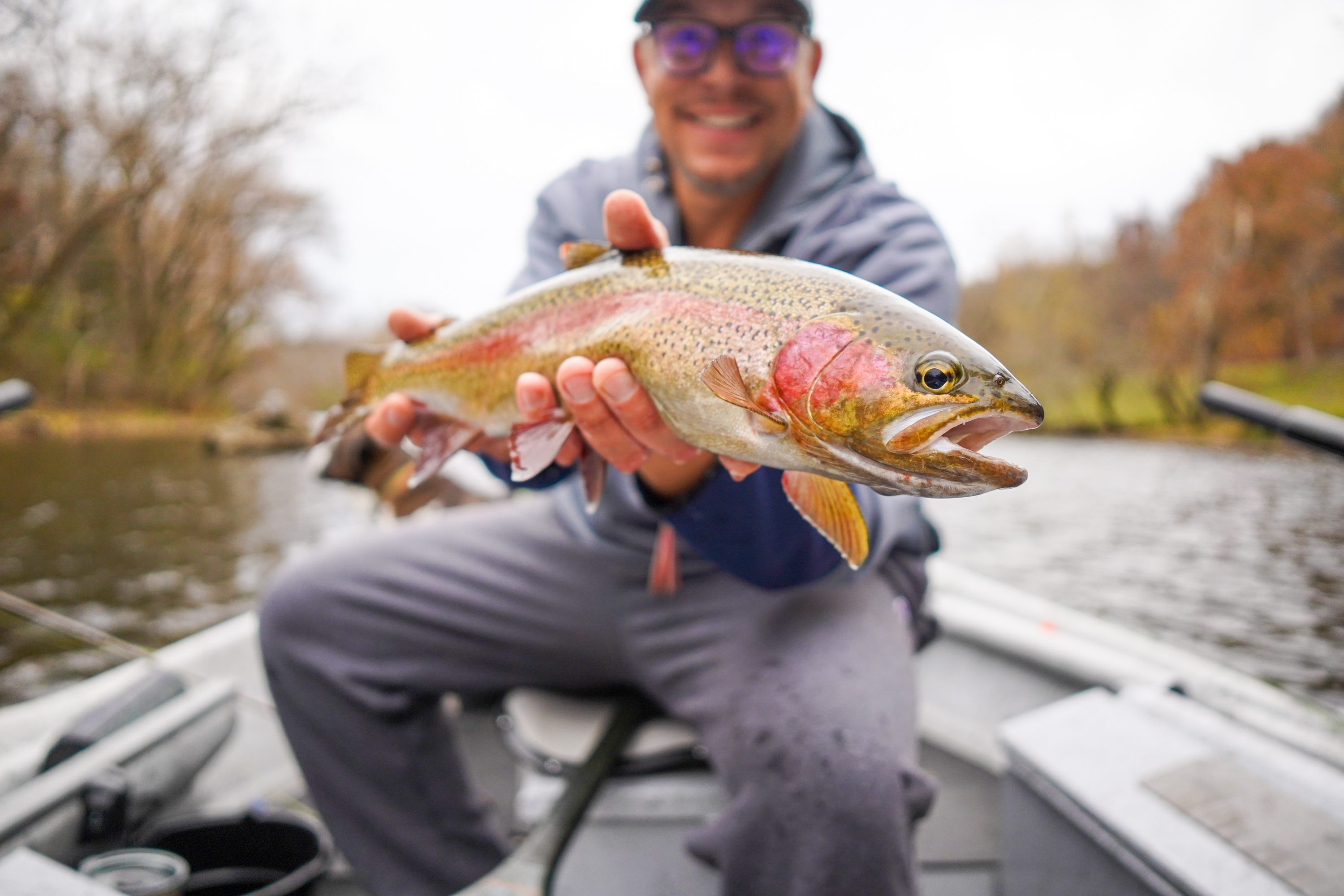
rainbow trout caught fly fishing

Casting Techniques

Mastering casting techniques is vital for success in the varied currents of the South Holston River. In slower, clear water, a delicate presentation is key, using a longer leader and a soft, accurate cast to avoid spooking the trout. Practice casting upstream and allowing your fly to drift naturally with the current, minimizing drag.

In faster, riffled sections, a more robust approach may be required. Here, shorter, more powerful casts ensure your fly reaches the desired depth quickly. Learning to adjust your casting technique based on the water you’re targeting is crucial. Also, be prepared to adjust the length and weight of your line to suit the conditions of the day.

Mending and Line Management

Effective mending and line management are critical for presenting your fly in a way that mimics natural insect movement. Proper mending, which involves lifting and moving the line after the cast, helps prevent unnatural drag on the fly. This skill is especially important in the South Holston River, where discerning trout are often put off by poorly presented flies.

Develop a habit of observing the current and anticipate how it will affect your line. Mend early and often, always striving for a drag-free drift. Remember, the goal is to make your fly the only thing the trout notices, not the line attached to it.

Reading the Water

Reading the water is an art that can significantly increase your chances of finding trout. Look for seams where fast and slow currents meet, as trout often feed in these areas. Pay attention to underwater structures like rocks and fallen trees, as these provide excellent hiding spots for trout. Eddies and pools are also key areas, especially after a hatch when trout might be actively feeding.

Observing insect activity on the water’s surface can give clues about where trout might be feeding. Additionally, learning to read the subtle signs of a feeding trout, such as the flash of a fin or a slight ripple on the water’s surface, can guide you to the most promising spots. With practice, reading the water becomes an instinctive part of your fly fishing experience on the South Holston River.

South Holston brown trout caught on a guided fly fishing trip

Ideal Fishing Seasons on South Holston River

The South Holston River, a tailwater river famed for its excellent water conditions, offers a unique year-round fishing opportunity. Unlike many other rivers that may have restricted fishing seasons due to various environmental factors, the South Holston maintains a consistent flow and temperature, thanks to the regulated releases from the South Holston Dam. This stability not only supports a rich and diverse trout population but also allows anglers to enjoy fly fishing across all seasons. Each season brings its own set of characteristics and challenges, making every visit to the river a new and exciting experience.

Seasonal Considerations

Spring is a time of renewal and vigorous trout activity. As the water warms, trout become more active, feeding on the increasing number of hatches. This season is often marked by prolific hatches of Blue Winged Olives and Sulphurs, making it a favorite among fly fishers.

Summer brings longer days and warmer waters, which can sometimes slow trout activity during midday. Early mornings and late evenings during this period can be particularly rewarding, especially when terrestrials and caddisflies are most active.

Fall is another prime time for fishing in the South Holston, as cooler temperatures revive trout activity. Browns and rainbows aggressively feed in preparation for winter, responding well to streamers and nymphs.

Winter, while quieter, can still provide a serene and productive fishing experience. Midges dominate the hatches during this season, and trout, although less active, can be caught with patience and the right tactics.

Hatch Calendar

January to February: Midges (sizes 20-26), Winter Stoneflies.

March to April: Blue Winged Olives (sizes 18-22), Caddis (sizes 14-16).

May to June: Sulphurs (sizes 16-18), Caddis.

July to August: Terrestrials (beetles, ants, sizes 14-18), Caddis, Tricos.

September to October: Blue Winged Olives, Caddis, Terrestrials.

November to December: Midges, Blue Winged Olives.

This calendar provides a general guideline, but local conditions and yearly variations can influence hatch timings. Being adaptable and prepared with a variety of flies to match these hatches is key to making the most of your time on the South Holston River.

Local Regulations and Conservation

Fishing the South Holston River is not only a pursuit of recreation but also a responsibility towards conservation. Understanding and adhering to local regulations is essential for maintaining the river’s health and ensuring sustainable fishing for future generations. Additionally, being aware of and participating in conservation efforts plays a crucial role in preserving this natural treasure.

Fishing Regulations

The South Holston River, managed for trophy trout fishing, has specific regulations to protect its fish population. Anglers are required to follow catch-and-release practices in certain designated sections of the river, particularly around the dam and designated trophy sections. In other areas, there are limits on the number of fish that can be kept, typically with a minimum size requirement to ensure young, growing trout are released. Additionally, the use of only artificial flies or lures is mandated in some stretches, prohibiting the use of baitfish or scented artificial baits. It’s crucial for anglers to stay updated with these regulations as they can vary annually or seasonally.

Conservation Efforts

Conservation practices in the South Holston River area include habitat restoration, pollution control, and educational outreach programs. Local fly fishing clubs and environmental groups often conduct river clean-ups and habitat improvement projects. Anglers can contribute by practicing ethical fishing, participating in local conservation events, and spreading awareness about the importance of preserving the river’s ecosystem. By respecting the river and its inhabitants, anglers can play a pivotal role in maintaining the South Holston as a premier fly fishing destination.

Additional Tips for a Successful Trip

Safety and Etiquette

Safety and etiquette are paramount for a fulfilling and responsible fly fishing experience on the South Holston River. Always be sure to check the local generation schedule before heading out for a day of wading. When wading in deeper sections or during higher water levels, pay attention to the currents, as currents can be unpredictable. Equipping yourself with a wading staff can also provide extra stability. Be mindful of the weather conditions; sudden changes can impact river levels and currents.

South Holston brown trout

Respecting other anglers is crucial. Maintain a courteous distance, avoid crowding a spot where another angler is already fishing, and if you need to pass by, do so quietly and with minimal water disturbance. Practicing catch-and-release with care and respect for the fish is not just ethical but essential for conservation. Handle fish gently and keep them in water as much as possible.

Local Amenities

The area surrounding South Holston River boasts a range of amenities to enhance your fishing trip. There are numerous lodging options, from cozy cabins to more luxurious accommodations, catering to all preferences and budgets. For a more well-rounded experience, our guides are invaluable. They offer not just expertise and knowledge of the river’s hotspots but also insights into current conditions and hatches. Fly shops in the vicinity are well-stocked with gear and local fly patterns and are a great resource for up-to-date information on river conditions and fishing reports.

That’s A Wrap

The South Holston River offers a rich and diverse fly fishing experience, suitable for anglers of all skill levels. Its varied geography, consistent water conditions, and abundant trout population make it a standout destination. Whether you’re casting dry flies during a Sulphur hatch in spring or navigating nymphs in the deeper runs during winter, the river presents challenges and rewards in every season.

Remember, the key to a successful trip lies in preparation and respect – respect for the regulations, other anglers, and the environment. With the right approach and mindset, the South Holston River is not just a fishing location but a journey into the heart of fly fishing. We encourage you to immerse yourself in this unique experience, where each cast brings a new opportunity and each visit leaves lasting memories. Whether you’re a seasoned fly fisherman or just starting out, the South Holston River awaits, ready to offer its bountiful and beautiful trout fishing experiences.
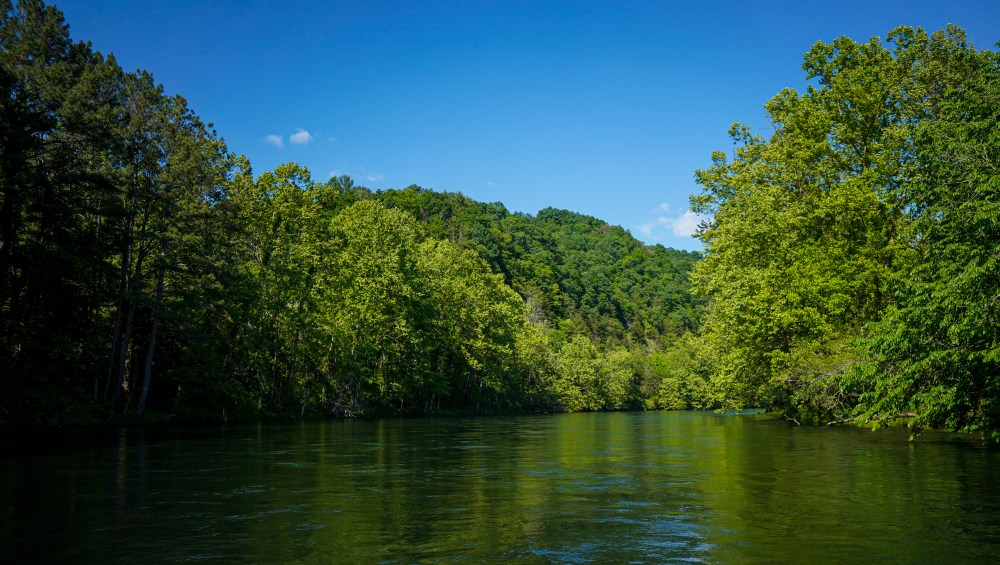
High Flying Flies is excited to be your South Holston River fishing guide! Click HERE to learn more about our SOHO fly fishing trips.

fly fishing guide South Holston River

Explore the South Holston River | Fishing, History, & Local Gems

The South Holston River in Tennessee is renowned for its pristine waters and exceptional fishing opportunities. As one of the premier tailwaters in the Southeast, it boasts an impressive population of rainbow and wild brown trout, drawing anglers from all over the country. With 8,500 wild brown trout per mile, the river offers an unparalleled fishing experience in a breathtaking natural setting.

Bristol, TN, serves as the gateway to this angler’s paradise. Nestled in the Appalachian Mountains, Bristol is a city rich in history and culture, known for its vibrant music scene and heritage as the “Birthplace of Country Music.” Its close proximity to the South Holston River makes it an ideal base for exploring the river and the surrounding area. Visitors can enjoy not only world-class fishing but also the warm hospitality and charm of a quintessential Southern town.

south holston river tennessee

Discover the Excellence of South Holston River Tailwaters

Explanation of What a Tailwater Is and Its Importance for Fishing

A tailwater is a section of river downstream from a dam, characterized by consistent, cold water flow. This environment creates ideal conditions for trout, making tailwaters highly prized among anglers. The South Holston River in Tennessee is celebrated as one of the best tailwaters in the Southeast due to its exceptional water quality and year-round fishing opportunities. If you’re an angler looking to wade to SoHo, check out our guide on the South Holston generation schedule to better understand how it impacts the fishing.

Unique Characteristics of the South Holston River

One of the unique characteristics of the South Holston River is its consistent water temperature, which hovers around 50 degrees Fahrenheit throughout the year. This stability supports a thriving trout population, particularly the wild brown trout, which number approximately 8,500 per mile. The river’s clear, nutrient-rich waters foster a healthy ecosystem, contributing to the robust fish populations.

What Locals Are Saying

Anglers and fishing guides frequently praise the South Holston River for its productive fishing. Jason Bromwell, a seasoned fishing guide and founder of High Flying Flies Guide Service, notes, “The South Holston is a gem for trout fishing. The fish are plentiful and the scenery is unbeatable.” Pam Dean, a newer angler, shares, “My husband and I recently had the opportunity to have Jason take us on a guided trip down the South Holston. Jason is not only very knowledgeable, he is personable, funny and most of all patient since my husband and I are both novices at fly fishing! We caught fish, learned a great deal and more importantly had an overall great experience! We feel like we made a lifelong friend!”

These testimonials highlight the South Holston River’s reputation as a premier fishing destination. Its unique characteristics and reliable conditions make it a must-visit for any angler seeking an exceptional fishing experience in the Southeast.

south holston river tennessee

The Amazing Rainbow and Wild Brown Trout Population

Statistics on the Trout Population: 8,500 Wild Brown Trout per Mile

The South Holston River boasts an extraordinary trout population, making it a top destination for anglers. The river is home to approximately 8,500 wild brown trout per mile, a figure that highlights its status as a premier fishery. In addition to the abundant wild brown trout, the river also supports a healthy population of rainbow trout, providing diverse fishing opportunities for enthusiasts.

Factors Contributing to the Thriving Trout Population

Several factors contribute to the thriving trout population in the South Holston River. The consistent, cold water released from the South Holston Dam creates an ideal habitat for trout, maintaining optimal water temperatures around 50 degrees Fahrenheit year-round. This stable environment, combined with the river’s clear, nutrient-rich waters, supports a robust ecosystem that encourages trout growth and reproduction. Additionally, conservation efforts and responsible fishing practices have helped preserve the river’s natural resources, ensuring a sustainable fishery for future generations.

Techniques and Tips for Fishing Rainbow and Brown Trout

Fishing for rainbow and brown trout in the South Holston River requires a blend of skill, knowledge, and patience. For brown trout, anglers often use nymphing techniques with small, natural-colored flies that mimic the river’s insect life. Streamer fishing can also be effective, especially in deeper pools where larger brown trout tend to lurk. Rainbow trout, on the other hand, are often more responsive to dry flies and emergers, particularly during hatches.

Using light tippets and a stealthy approach can increase success, as the clear waters make trout wary of heavy lines and sudden movements. Observing the river’s insect activity and matching the hatch is crucial for both species. Local fishing guides can provide valuable insights and techniques tailored to the South Holston River, enhancing the overall fishing experience.

History of the South Holston River and Its Eco-Diversity

Historical Background of the South Holston River

The South Holston River, nestled in the Appalachian region of Tennessee, has a rich history intertwined with the area’s natural and cultural heritage. The river’s origins trace back to the creation of the South Holston Dam, completed in 1950 by the Tennessee Valley Authority (TVA). The dam was part of a broader initiative to control flooding, generate hydroelectric power, and provide recreational opportunities for the region.

Development of the River as a Fishing Destination

Over the decades, the South Holston River has evolved into one of the premier fishing destinations in the Southeast. Initially recognized for its potential due to the cold, consistent water flows from the dam, the river’s reputation grew as anglers discovered its abundant trout populations. The introduction and natural reproduction of wild brown and rainbow trout have solidified the South Holston River’s status as a top-tier fishery. Today, the river attracts fishing enthusiasts from across the country, contributing significantly to the local economy.

Overview of the River’s Eco-Diversity and Conservation Efforts

The South Holston River is not only renowned for its trout but also for its rich eco-diversity. The river’s clear, cold waters support a variety of aquatic life, including numerous insect species that are crucial for the trout’s diet. Additionally, the surrounding riparian habitats are home to a diverse array of wildlife, from birds to mammals, contributing to a vibrant ecosystem.

Conservation efforts play a vital role in maintaining the river’s ecological health. The TVA, along with local conservation groups and anglers, work tirelessly to monitor water quality, manage fish populations, and protect the river’s natural resources. Initiatives such as catch-and-release practices, habitat restoration projects, and educational programs aim to preserve the South Holston River for future generations, ensuring it remains a thriving environment for both fish and wildlife.

Exploring the Surrounding Area: Bristol, TN and Its Heritage

Bristol, Tennessee, located in the heart of the Appalachian Mountains, is a charming city known for its rich history, vibrant culture, and stunning natural beauty. As the gateway to the South Holston River, Bristol offers visitors a unique blend of outdoor adventure and cultural experiences, making it an ideal destination for anglers and tourists alike.

south holston river tennessee

Cultural and Historical Significance of Bristol

Bristol is famously recognized as the “Birthplace of Country Music.” In 1927, the historic Bristol Sessions recordings took place here, a pivotal moment that significantly influenced the development of country music. This cultural heritage is celebrated at the Birthplace of Country Music Museum, where visitors can explore exhibits that delve into the city’s musical roots and its lasting impact on American music.

Highlights of Local Heritage and Traditions

Bristol’s rich heritage is reflected in its vibrant community and traditions. The annual Bristol Rhythm & Roots Reunion music festival draws thousands of visitors to experience live performances by renowned and emerging artists. The city’s downtown area, with its historic architecture and charming streets, offers a delightful blend of shops, restaurants, and cultural venues.

The iconic Bristol Motor Speedway is another highlight, hosting thrilling NASCAR events that attract motorsport enthusiasts from all over the world. Additionally, the nearby Appalachian Trail and various local parks provide ample opportunities for hiking, biking, and enjoying the scenic landscapes.

Bristol’s unique blend of cultural, historical, and natural attractions ensures that visitors have a memorable experience, whether they are exploring its musical legacy, participating in local traditions, or simply enjoying the beauty of the Appalachian region.

Accommodations in the Area

List of Top Accommodations Near the South Holston River

Hotels

The Bristol Hotel: A boutique hotel offering modern amenities, a rooftop bar, and stunning views of the Appalachian Mountains. Prices range from $150 to $250 per night, located about 20 minutes from the South Holston River.

Bed and Breakfasts

The Millsap-Baker Estate: A charming B&B featuring historic decor, personalized service, and gourmet breakfasts. Rates range from $100 to $200 per night, just a 15-minute drive to the river.

Cabins and Lodges

South Holston River Reserve: Perfect for anglers, this lodge offers cozy cabins or the main house, and direct river access. Prices vary from $195 to $450 per night, depending on the cabin size.

Each accommodation provides unique amenities and varying proximity to the South Holston River, ensuring visitors find the perfect place to stay while enjoying the area’s natural beauty and fishing opportunities.

south holston river tennessee

Planning Your Trip

Best Times of the Year to Visit the South Holston River

The best times to visit the South Holston River are spring and fall. During these seasons, the weather is mild, and the trout fishing is exceptional due to increased insect activity. Summer is also popular, offering warm weather and excellent fishing conditions, especially in the early mornings and late evenings.

Travel Tips and Recommendations

When planning your trip, book accommodations and guided tours well in advance, especially during peak seasons. Dress in layers to adapt to changing weather conditions and pack waterproof gear for fishing. Always check local regulations and obtain the necessary fishing licenses.

High Flying Flies Guide Service and Other Local Tour Services

High Flying Flies Guide Service offers expert fishing guides to enhance your angling experience. For non-fishing activities, explore local tour services like Bristol Caverns Tours for underground adventures and Appalachian GhostWalks for a spooky historical tour. These services provide unique ways to experience the area’s natural beauty and cultural heritage.

Why the South Holston River and Bristol, TN Are Must-Visit Destinations

The South Holston River and Bristol, TN, offer a perfect blend of exceptional fishing, stunning natural beauty, and rich cultural heritage. The river’s thriving populations of rainbow and wild brown trout, consistent water conditions, and diverse ecosystem make it a top destination for anglers. Bristol, known as the “Birthplace of Country Music,” adds to the appeal with its vibrant music scene, historical significance, and friendly Southern hospitality.

Whether you are an avid fisherman, a history enthusiast, or simply seeking a peaceful retreat in nature, the South Holston River and Bristol, TN, have something special to offer. Explore the scenic hiking trails, enjoy local attractions like the Birthplace of Country Music Museum and Bristol Motor Speedway, and immerse yourself in the welcoming community. Plan your visit today and discover the unique charm and beauty of this remarkable region.

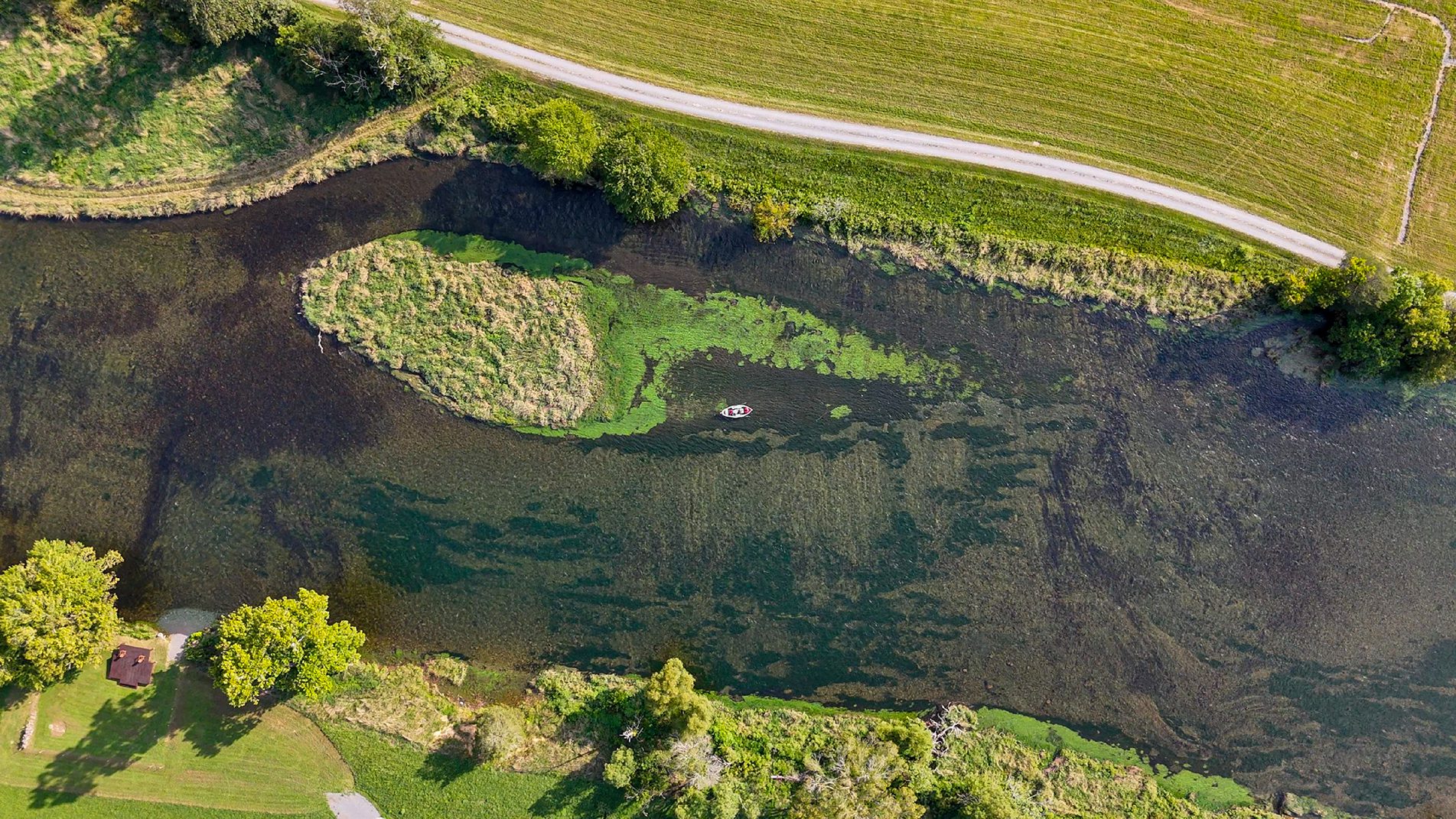
Drone picture of the South Holston River's crystal clear waters

South Holston Generation Schedule | Maximizing The Flow for Fishing

The South Holston Generation Schedule is a crucial tool for managing the water flow from the South Holston Lake into the South Holston River tailwater, primarily controlled by the Tennessee Valley Authority (TVA). This schedule outlines when and how much water is released from the reservoir, impacting everything from electricity generation to flood control and environmental stewardship. For anglers and local ecosystems, understanding this schedule is essential as it directly influences river conditions such as water levels and flow rates.

south holston generation schedule

The TVA determines the generation schedule based on a combination of factors including electricity demand, water storage needs, and environmental considerations. These scheduled releases ensure a balanced approach to reservoir management, supporting both human and ecological needs. For fly fishing enthusiasts, the fluctuating water levels dictated by the schedule can significantly alter fish behaviors and habitat conditions, making awareness of these changes fundamental for a successful fishing outing.

What is the South Holston Generation Schedule?

Understanding the South Holston Generation Schedule is essential for fly fishing because the water levels and flow rates directly affect fishing conditions. Changes in the schedule can lead to significant variations in river environments, influencing the behavior of fish, especially trout, which are highly sensitive to these changes. For instance, higher flows can stimulate trout to feed more aggressively, improving catch rates, while lower flows might concentrate fish in deeper pools, requiring different fishing tactics.

For fly anglers, mastering the generation schedule means aligning fishing trips with optimal water conditions. To effectively read the schedule, anglers should note the times of water releases and the expected flow rates. Planning trips when water levels are rising can be particularly fruitful, as this often triggers feeding activities among trout. By staying informed and adaptive, anglers can enhance their fishing experience and increase their success on the South Holston River.

Why is the Generation Schedule Important for Fly Fishing?

The South Holston Generation Schedule is a key element for successful fly fishing on the river, primarily due to its influence on water levels and flow rates. These environmental factors significantly impact fishing conditions by affecting the availability of food and the behavior of fish, particularly trout. Trout are sensitive to changes in their habitat; fluctuations in water flow can alter their feeding patterns and locations within the river. Higher water levels often stimulate more active feeding due to increased availability of food, leading to better catch opportunities.

south holston generation schedule

For anglers aiming to maximize their success, becoming proficient in reading the generation schedule is crucial. It involves understanding the timing of water releases and anticipating the resulting conditions in the river. By planning fishing trips around favorable water flows—typically just after a scheduled release when water levels are rising—anglers can experience more productive outings. Staying aware of these schedules ensures not only better fishing but also safer experiences on the water.

How to Interpret the Generation Schedule

Accessing the South Holston Generation Schedule is straightforward and essential for any fly fisher planning a trip to this prolific trout river. The TVA provides the schedule online on their official website. Here, anglers can find real-time and projected water release information. To view the schedule, visit the TVA website, navigate to the “Lake Levels” section, select South Holston, and view the detailed generation schedule which includes release times and flow rates.

Understanding the key terms in the schedule, such as “cfs” (cubic feet per second) which indicates the flow rate of water being released, is crucial. The difference between real-time and projected schedules is also important; real-time data reflects current conditions, whereas projected schedules forecast future releases. Using this information, anglers can plan their fishing strategies to coincide with optimal water flows, enhancing their overall fishing experience and success.

south holston generation schedule

Suggestions for Fly Fishing Around the Generation Schedule

Fishing effectively around the South Holston Generation Schedule requires understanding how to adapt to different water release scenarios. During high flow conditions, a drift boat is the only option for fishing. Using weighted nymphs or streamers can be effective as these can reach deeper areas where trout may be more active during higher flows. Conversely, during low flow conditions, lighter tackle and dry flies like sulphurs or small, bwo emergers are preferable, as these conditions usually make trout wary and more surface-oriented.

The appropriate gear setup is crucial for these varying conditions. For high flows, a stronger, heavier line and rod may be necessary to handle the increased water force and to cast larger flies. For low flows, a lighter setup with finer tippets and smaller hooks will typically yield better results.

Safety is paramount when fishing around water releases. Always check the generation schedule before heading out, and take caution of sudden changes in water levels, which can rapidly alter river conditions and pose risks to anglers.

The Role of the Generation Schedule in River Health and Ecology

The South Holston Generation Schedule plays a vital role in the ecological balance and health of the river system. Controlled water releases by the TVA help manage water levels in the reservoir, preventing floods during heavy rains and maintaining water supply during droughts. These practices ensure the river’s ecosystem remains stable and supportive of its rainbow and wild brown trout, which thrive in stable, oxygen-rich environments.

For trout, consistent water flows help maintain ideal living conditions by regulating temperature and nutrient distribution across the river. This stability encourages robust aquatic insect populations, which are crucial for a healthy trout diet. Additionally, sustainable fishing practices become crucial in this context; they ensure that fishing pressure does not adversely affect trout numbers or the overall health of the river. Anglers are encouraged to practice catch and release and use barbless hooks to minimize the impact on fish populations, ensuring the South Holston remains a premier fly fishing destination for future generations.

Wrapping Up: The Essentials

Understanding the South Holston Generation Schedule is essential for any angler wishing to maximize their fly fishing experience on this dynamic river. Regularly checking the schedule helps ensure that you are well-prepared for the conditions you’ll encounter, promoting safer and more productive outings. Whether you’re planning a solo adventure or a guided trip, the knowledge of water flows can significantly enhance your fishing success. We also have a guide for understanding the Watauga River generation schedule as well! We encourage you to visit our site online for more expert guidance and to equip yourself with our top-notch flies! Let us help you turn a good fishing day into a great one by leveraging our local knowledge and resources.